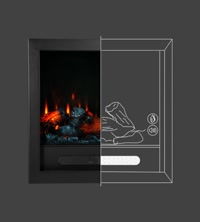


An electric fake fire for fireplace casing is an architectural surround crafted from high-density rigid polymer designed to house modern flameless LED heating inserts. In high-traffic commercial environments such as luxury hotels, boutique restaurants, executive lounges, and public venues, creating a focal point requires materials that combine visual sophistication with exceptional mechanical resistance. Decorative fireplace mantels built from dense polymer materials remove the structural drawbacks of heavy stone, brittle gypsum, or moisture-sensitive wood while maintaining high architectural detail.
Technical Properties and Material Efficiency
Commercial interior projects demand building components that offer long-term durability and simplified site logistics. Materials manufactured with a closed-cell cellular structure featuring a density of 150-220 kg/m³ (production target ~160 kg/m³) deliver structural rigidity comparable to natural timber at a fraction of the weight. This lightweight composition minimizes dead load on building slabs and simplifies overhead or recessed mounting.
- Thermal and Moisture Stability: With an operating temperature range of -100 °C / +80 °C and a water absorption rate under 1%, the material resists dimensional shifting, warping, or cracking caused by ambient humidity variations.
- Fire Safety Performance: Molded components exhibit self-extinguishing properties under B2 fire classification standards, stopping flame propagation once the ignition source is removed.
- Impact Resistance: Dense cell wall structures resist physical impact from furniture, luggage, and routine maintenance equipment in public zones.
- Surface Finish Ready for Coating: Factory-applied primer creates an even bonding layer suitable for water-based, acrylic, or synthetic paint finishes.
Atmospheric Design for Hospitality and Retail
Integrating artificial fire units into dedicated surrounds allows commercial developers to establish warm, inviting spatial atmospheres without complex flue installations, gas lines, or municipal safety permits. Framing systems designed for insert models like PH10GSI (145x810x870 mm) or PH20GSI (220x750x627 mm) fit seamlessly into shallow wall niches or freestanding partition walls. Electric flame technology paired with crisp architectural molding provides year-round visual appeal without smoke, ash, or elevated surface heat risks.
Usage Areas
An electric fake fire for fireplace surround is widely utilized in hospitality and corporate spaces. Primary indoor applications include 5-star hotel lobbies, VIP lounge areas, fine-dining restaurant dining rooms, residential sales galleries, executive boardrooms, and luxury retail showrooms. In these settings, the casing creates an imposing architectural anchor. For covered exterior areas such as hotel verandas, covered patio dining spaces, and terrace lounges, these weather-resistant surrounds withstand atmospheric moisture when finished with exterior-grade UV-stable coatings.
Installation
Installation requires a clean, dry, and level substrate. Prepare wall niches with correct electrical supply connections before mounting the casing. Cut profile sections using a miter box or fine-tooth saw at precise 45-degree angles. Fasten the structural components using a dedicated polyurethane (PU) mounting adhesive; silicone adhesives must not be used. Mechanical anchoring with countersunk screws is mandatory to ensure permanent stability while the adhesive cures. Fill joint seams and screw locations with exterior-grade filler, sand smooth using 180-220 grit sandpaper, and apply final finish coats. Factory primer prepares the surface for paint; however, paint manufacturers require their own specific primer for full paint warranty coverage, making additional job-site primer application optional according to client preference.
Care Information
Surface maintenance requires minimal effort due to the non-porous closed-cell structure. Clean the casing using a damp microfiber cloth and mild neutral detergent solution. Avoid abrasive pads or harsh chemical solvents. Periodically inspect and vacuum vent openings on the electric heating unit to clear dust accumulation. When installed in high-exposure semi-outdoor areas, inspect paint coatings annually for wear and reapply exterior-grade paint as needed.