 ENGLISH
 ITALIAN
 GERMAN
 GREEK
GREEK FRENCH
 SPANISH
 PORTUGUESE
 POLISH
 DUTCH
DUTCH ALBANIAN
 SERBIAN



You might also want to




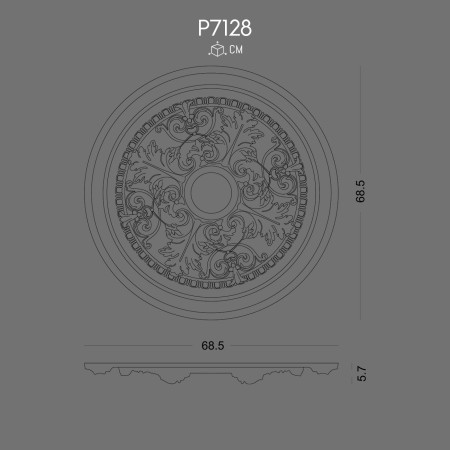


P603 Product Used Image Gallery

Hotel Exterior Decoration Tips and Suggestions Combining Elegance and Aesthetics
Hotel exterior decoration is an important element that determines the appearance of the hotel. In this article, tips and suggestions will be presented on how the hotel exterior decoration should be. Exterior designs made taking into account elegance, aesthetics and functionality reflect the character of the hotels and create the first impression of the guests. The keywords are hotel exterior decoration. Issues such as elegance and aesthetics will be discussed in detail in the article. The article will focus on the factors you need to consider in hotel exterior decoration, material selection, color preferences, architectural details, lighting and plant arrangements. Choosing an exterior design that suits the style and location of the hotel will strengthen the brand image of the hotel and increase the satisfaction of the guests. In the article, different hotel exterior decoration examples and inspiring design ideas will be shared. Hotel exterior decoration is important to increase the competitiveness of the hotel, create an attractive appearance and provide an unforgettable experience. In our article, you can learn about tips and trends on hotel exterior decoration and decorate your hotel's exterior impressively. Hotel exterior decoration, which combines elegance and aesthetics, ensures that guests have an unforgettable experience. In our article, you can learn the points you need to consider in hotel exterior decoration and discover ways to make the exterior of your hotel attractive.

Modern Classic Villa Decoration with Polyurethane Details
Elegant Fusion of Modern and Classical DesignThe villa exterior showcases the thoughtful use of polyurethane decorations, combining durability with artistic detailing. The façade is characterized by tall rectangular volumes outlined in creamy white while contrasted by textured dark wall segments. This balance of light and dark creates a sophisticated geometric rhythm that elevates the overall composition.One striking feature is the use of decorative cornices and fluted columns at the corners, where subtle reliefs echo the principles of neoclassical order. These ornamental details recall the influence of Corinthian and Ionic design traditions, adapted into a clean and contemporary language suitable for modern lifestyles.Outdoor Living and Structural GeometryThe design emphasizes open visual connections, with large glass panels that reflect surrounding landscapes, enriching the indoor-outdoor experience. A finely crafted wooden deck provides a warm tactile balance against the villa’s smooth surfaces, leading directly to the swimming pool. This integration of natural textures adds richness to the refined modern classic scheme.Polyurethane enables the precision carving of motifs and decorative corner elements, adding subtle character to an otherwise sleek geometry. The contrast between textured stone-like panels and smooth ivory borders introduces depth and rhythm, enhancing structural lines without overwhelming simplicity.Historical Influence and Timeless AppealThe ornamental decisions echo inspirations from ancient Greek and Roman architectural traditions, reinterpreted with modern classic sensibility. By combining historical elements such as columnar motifs with contemporary window expanses, the villa achieves a timeless elegance. This approach not only elevates aesthetics but also ensures longevity in style and appeal.Use of large windows with reflective qualitiesContrasting surfaces between smooth ivory and textured dark panelsPolyurethane decorative motifs recalling neoclassical detailsOutdoor areas harmonized with natural surrounding greenery This modern classical villa reflects a refined blend of tradition and innovation. The use of polyurethane details ensures durability and intricate character. Contrasting soft ivory surfaces with textured stone-like panels creates visual balance. Decorative columns with subtle reliefs add neoclassical depth. Large windows invite light and provide reflections of the natural surroundings. An expansive wooden deck frames the relaxing poolside. The exterior composition emphasizes structural geometry with clean proportions. Fluted motifs and ornamental accents enrich the design. The house unites classical principles with contemporary clarity. Glass integration enhances transparency and elegance. Historical references are reinterpreted in modern form. Outdoor living areas flow seamlessly with greenery. The use of dark and pale tones supports harmony. Decorative polyurethane details express timeless aesthetic value. The result is a strikingly balanced villa with enduring modern classic appeal.
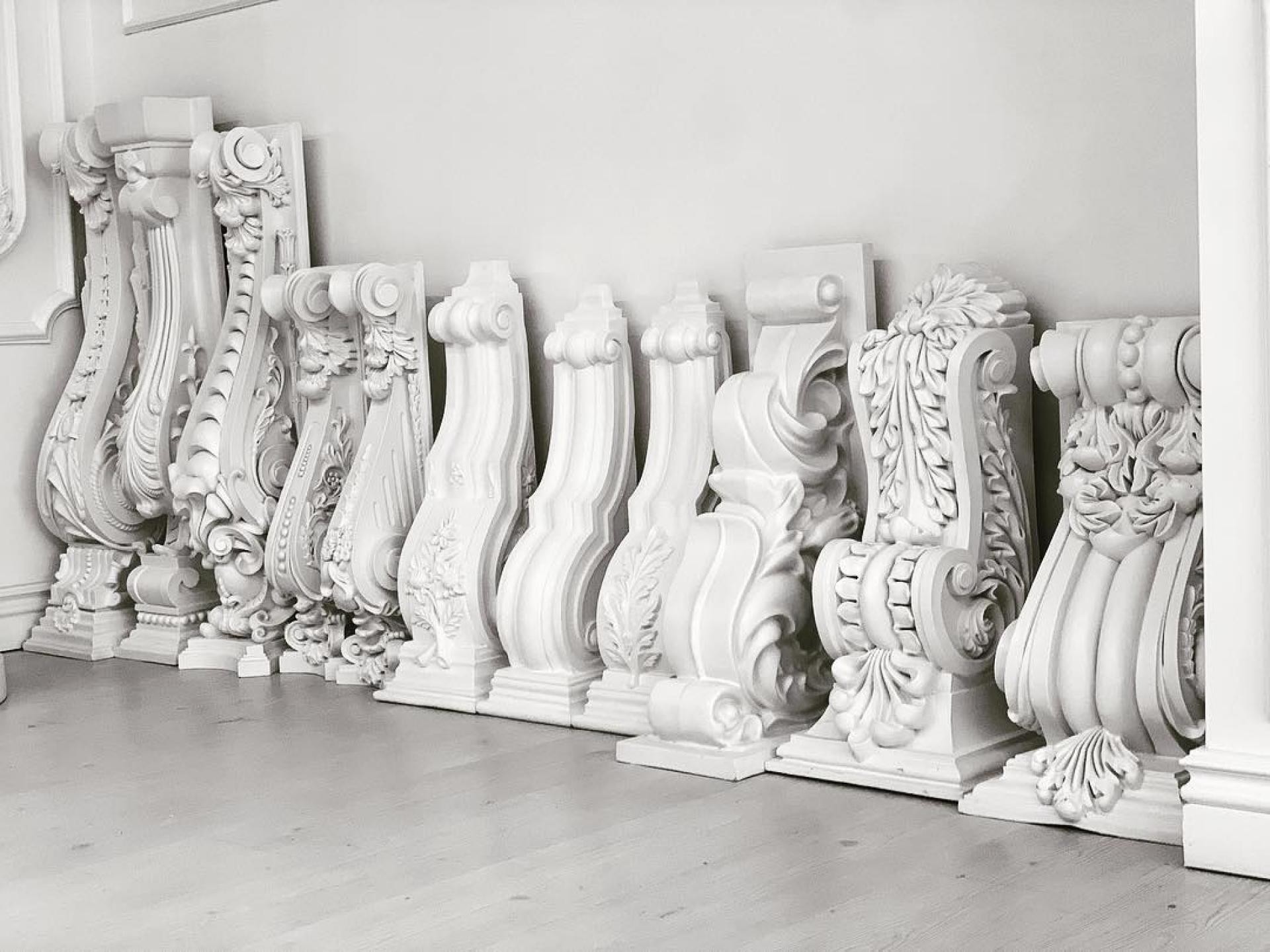
Polyurethane Bracket Models for Classical Exterior and Interior Decoration
Classical Elegance with Polyurethane BracketsPolyurethane brackets are essential for architects and designers seeking to reproduce the sophistication of classical decoration. With deep scrolls, carved floral motifs, and acanthus leaves, these elements draw inspiration from Greco-Roman and baroque design traditions. Their harmonious balance of geometry and ornamentation makes them a focal point in exterior and interior decoration alike.Design Features and PatternsThe displayed models showcase volutes, leafy garlands, beadwork, and flowing curves that create a sense of movement and refinement. Each bracket exhibits detailed relief, from spiraling scrolls to clusters of leaves, emphasizing craftsmanship and aesthetic richness.Leafy acanthus and vine motifs for natural eleganceScroll-based volutes for balanced geometric rhythmFloral ornaments ensuring decorative lightnessThe versatility of polyurethane enables these brackets to achieve the look of stone or carved wood while remaining lightweight and easier to handle. This material ensures long-term durability against moisture and wear, making it suitable for both exterior facades and interior spaces.Painting and ApplicationPolyurethane brackets can be painted in a variety of finishes. A neutral matte white paint provides a timeless classical presence, while gold or antique glazes highlight the ornamental depth. Their adaptability allows seamless integration into both traditional and transitional design schemes. Historically, brackets were supporting architectural features, but in decorative use they embody a purely aesthetic role, celebrating form and proportion. Polyurethane brackets embody the beauty of classical design with their rich ornamental carvings. Their surfaces reveal flowing scrolls, floral motifs, and symmetrical forms that enhance decorative harmony. Each model reflects detailed craftsmanship with a sculptural quality suited to both interiors and facades. The use of polyurethane material ensures durability without sacrificing elegance. Lightweight yet strong, the brackets allow for simple installation in diverse settings. Their geometric balance emphasizes rhythm and proportion, echoing traditional architectural values. These features make them suitable for baroque-inspired or neoclassical projects. The white matte surface creates a timeless impression of purity and refinement. Designers may also explore custom finishes such as patina, metallic, or layered tones. Such variations magnify the sense of depth in carved details. The elongated curves highlight the flowing language of classical ornament. Brackets with acanthus leaves and scrolls seamlessly match column capitals. Their symbolic use ties architecture back to nature and tradition. By combining ornamentation and material innovation, these models offer creative versatility. The result is a perfect blend of history and modern practicality for lasting decorative impact.

Polyurethane Classical Exterior Decoration for Wedding Hall Design
Classical Polyurethane Decoration for Wedding Halls The wedding hall facade integrates polyurethane materials with traditional classical detailing, creating an architectural composition that balances elegance and practicality. The large entry is framed by tall fluted columns and crowned with an ornate pediment, reminiscent of historical temples and palaces. The columns are adorned with Corinthian-inspired capitals, decorated with acanthus-like foliage and delicate scroll motifs. Above the arched windows, carved relief medallions and symmetrical ornaments add both texture and symbolic richness. These decorative elements evoke historical influences from Greco-Roman architecture, where geometry and refined proportion were central. The facade employs curved archways above the main doors, integrating floral reliefs and shield-shaped motifs. Horizontal cornices enriched with dentil patterns reinforce the rhythm of repetition across the exterior. Polyurethane allows detailed sculptural effects while remaining lightweight and adaptable, ensuring long-term durability with minimal maintenance. Golden trim around the main entrance enhances the sense of ceremony, catching the light and emphasizing the verticality of the portal. The stone-like surface, with its subtle marble-textured steps, guides visitors toward an entrance designed to impress. The result is a composition where classic design principles merge seamlessly with modern materials and construction methods. Fluted vertical columns with intricate capitals Decorative reliefs and medallion ornaments Arched windows with symmetrical composition Detailed cornices and dentil patterns along the roofline Golden frame details highlighting the main access In historical context, such classical motifs originated in ancient Greece and Rome, later reintroduced during the Renaissance and neoclassical movements, which valued harmony, symbolism, and monumentality. Here, they are reinterpreted in wedding hall design, symbolizing permanence, celebration, and grandeur. The facade of this hall illustrates how polyurethane can transform architecture with timeless elegance. Tall fluted columns add rhythm and proportion to the structure. The capitals feature intricate acanthus-like patterns. Curved arches above windows introduce softness and flow. Relief ornaments create texture and refined detail. Golden trim emphasizes the ceremonial entrance. Cornices and dentil patterns strengthen the linear rhythm. White stone-like surfaces enhance brightness and purity. The design echoes Greco-Roman heritage with modern execution. Polyurethane enables lightweight yet durable decoration. Marriage of history and technology adds charm. The symmetrical composition communicates balance and harmony. Decorative motifs symbolize festivity and grandeur. The facade conveys permanence for celebratory spaces. Classic detailing enriches the atmosphere with romance and tradition. This wedding hall exterior embodies beauty and ceremonial dignity.
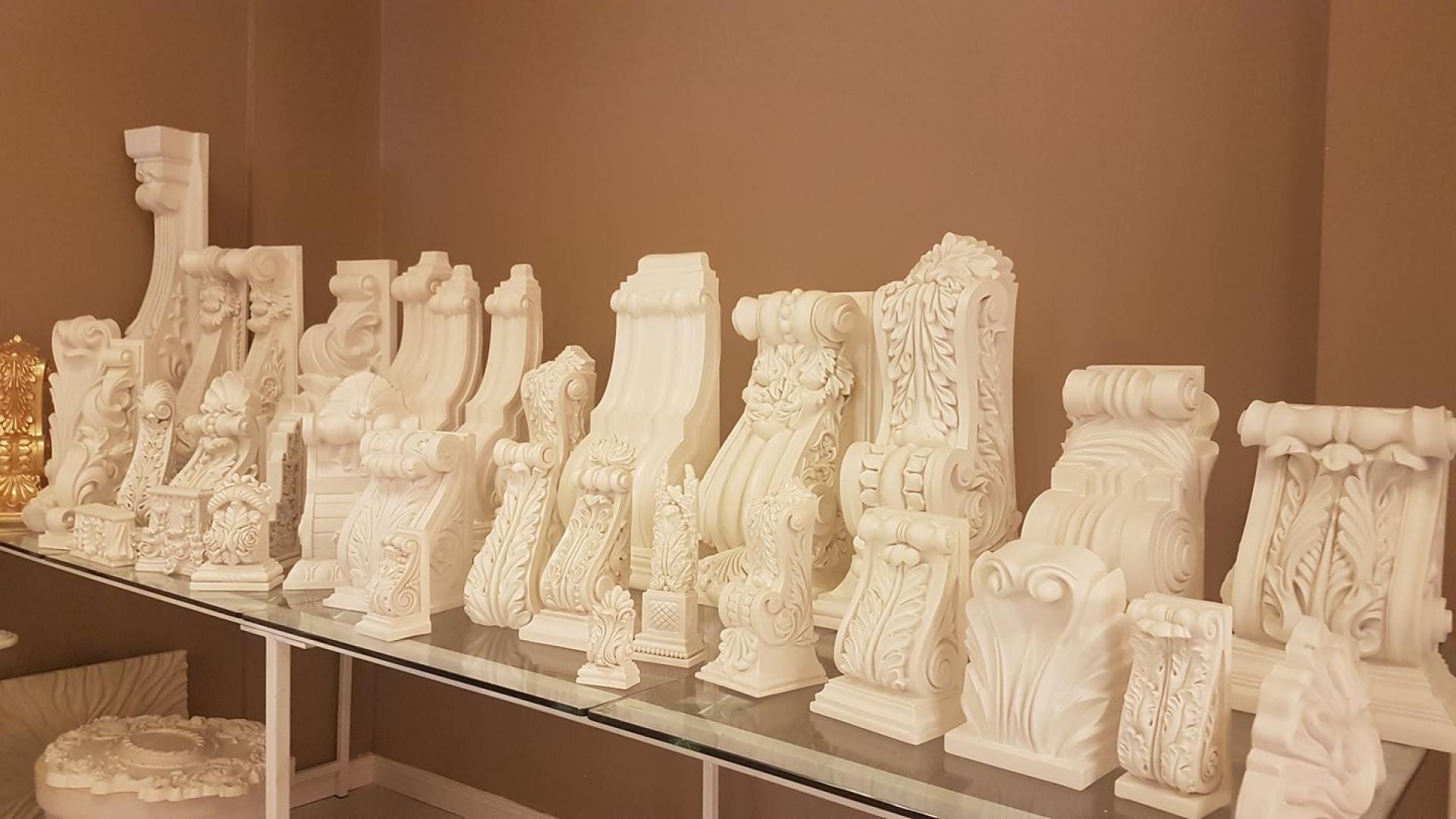
Elegant Classical Decoration with Polyurethane Corbels
Classical Elegance with Polyurethane Corbels Polyurethane corbels are refined decorative elements inspired by traditional architecture. They often feature scroll patterns, acanthus leaves, floral rosettes, and geometrical motifs that echo ancient Greek and Roman designs. The intricate carvings showcase a combination of curves, deep reliefs, and symmetrical balance that highlight their classical origin. Historically, corbels were both structural and ornamental, used to support arches and beams in Gothic and Renaissance architecture. Modern polyurethane versions keep the aesthetic while offering lightweight and durable qualities. These corbels range from elaborate floral compositions with interlaced foliage to bold curved motifs with volutes. Their uniform ivory-like finish fits harmoniously with both modern and classical interiors. In design projects, they can be installed under shelves, along door frames, or on façades to create luxurious focal points. Easy cutting and shaping of polyurethane makes them versatile for custom designs. For homeowners and designers, this flexibility allows for creative use without sacrificing the antique feel. Richly carved acanthus leaves bring natural inspiration indoors. Symmetrical scrolls add rhythm and grace to walls or ceilings. Detailed rosettes and floral carvings highlight traditional artistry. Polyurethane corbels are more than decoration; they are a bridge between historical craftsmanship and modern practicality, where classical style meets contemporary installation ease. Polyurethane corbels are elegant additions to classical interiors. Their flowing scrollwork offers graceful symmetry. Intricate acanthus leaves enrich the surface with natural detail. Floral and rosette motifs highlight timeless artistry. The smooth ivory-like finish enhances refined spaces. These corbels create a luxurious harmony with arches. They complement columns in great distinction. Decorative volutes suggest historical grandeur. The material is lightweight yet durable. Easy installation makes them accessible for designers. They fuse strength with ornamentation in balance. Each carving showcases traditional heritage. Polyurethane flexibility allows custom creativity. Corbels enrich both modern and classical projects. Their enduring presence unites history and style.

Hotel Exterior Decoration Tips and Suggestions Combining Elegance and Aesthetics
Hotel exterior decoration is an important element that determines the appearance of the hotel. In this article, tips and suggestions will be presented on how the hotel exterior decoration should be. Exterior designs made taking into account elegance, aesthetics and functionality reflect the character of the hotels and create the first impression of the guests. The keywords are hotel exterior decoration. Issues such as elegance and aesthetics will be discussed in detail in the article. The article will focus on the factors you need to consider in hotel exterior decoration, material selection, color preferences, architectural details, lighting and plant arrangements. Choosing an exterior design that suits the style and location of the hotel will strengthen the brand image of the hotel and increase the satisfaction of the guests. In the article, different hotel exterior decoration examples and inspiring design ideas will be shared. Hotel exterior decoration is important to increase the competitiveness of the hotel, create an attractive appearance and provide an unforgettable experience. In our article, you can learn about tips and trends on hotel exterior decoration and decorate your hotel's exterior impressively. Hotel exterior decoration, which combines elegance and aesthetics, ensures that guests have an unforgettable experience. In our article, you can learn the points you need to consider in hotel exterior decoration and discover ways to make the exterior of your hotel attractive.

Elegant Classical Facade with Polyurethane Details for Wedding Hall Design
Classical Architectural PrinciplesThe wedding hall showcases a classical approach that blends timeless design with modern materials. The grand columns, modeled after Corinthian forms, display acanthus-inspired detailing, adding vertical elegance to the façade. Above the entrance, a decorative pediment crowned with flowing motifs emphasizes symmetry and proportion.The use of polyurethane moldings allows craftsmen to reproduce intricate carvings once exclusive to heavy stone. These lightweight materials create durable, precise, and cost-effective ornamentations that reflect the grandeur of historical styles.Ornamental Detailing and MotifsEach arch-shaped niche contains floral swirls and sculpted motifs, accented by subtle geometric balance. The repetition of decorative reliefs across the façade highlights harmony and rhythm, while carved scrolls embody Renaissance and Baroque elegance. Above the main entry, the crowned cartouche serves as the visual centerpiece.The softly illuminated surface reveals detailed patterns, from leafy embellishments to geometric borders, balancing complexity with clarity. Step platforms in marble match the overall tone, grounding the composition with geometric formality.Lighting and Aesthetic IntegrationArchitectural lighting enhances depth and contrast, illuminating column reliefs and decorative profiles. The evenly distributed glow ensures that carved textures remain visible at night, offering both visual impact and functional guidance for visitors. This integration of structural form and light highlights how modern design merges with classical tradition.As a historical note, column orders such as Doric, Ionic, and Corinthian have shaped Western architecture since ancient Greece, and this façade revives that lineage with a modern twist through polyurethane innovation.Polyurethane ensures lightweight durability.Corinthian-inspired capitals provide elegance.Marble steps strengthen geometric symmetry.Lighting reveals carved details at night. This wedding hall design presents a balance of classical detail and modern practicality. The exterior features polyurethane moldings that replicate traditional craftsmanship. Grand columns flank the façade, each decorated with sculpted floral motifs. Elegant arches frame the windows, topped with ornamental reliefs. Warm lighting emphasizes the carved surfaces with dramatic shadows. The entrance is elevated on polished marble steps that echo geometric order. Subtle color tones highlight three-dimensional carvings. Corinthian-inspired capitals recall Greek and Roman traditions. The central pediment enriches the sense of hierarchy. Symmetry across the façade enhances harmony and rhythm. Intricate patterns add depth to the decorative layers. Balanced ornamentation expresses refined grandeur. The stone-like textures bring permanence to the design. Functional lighting doubles as aesthetic enhancement. Together, these elements create an iconic and sophisticated wedding hall exterior.
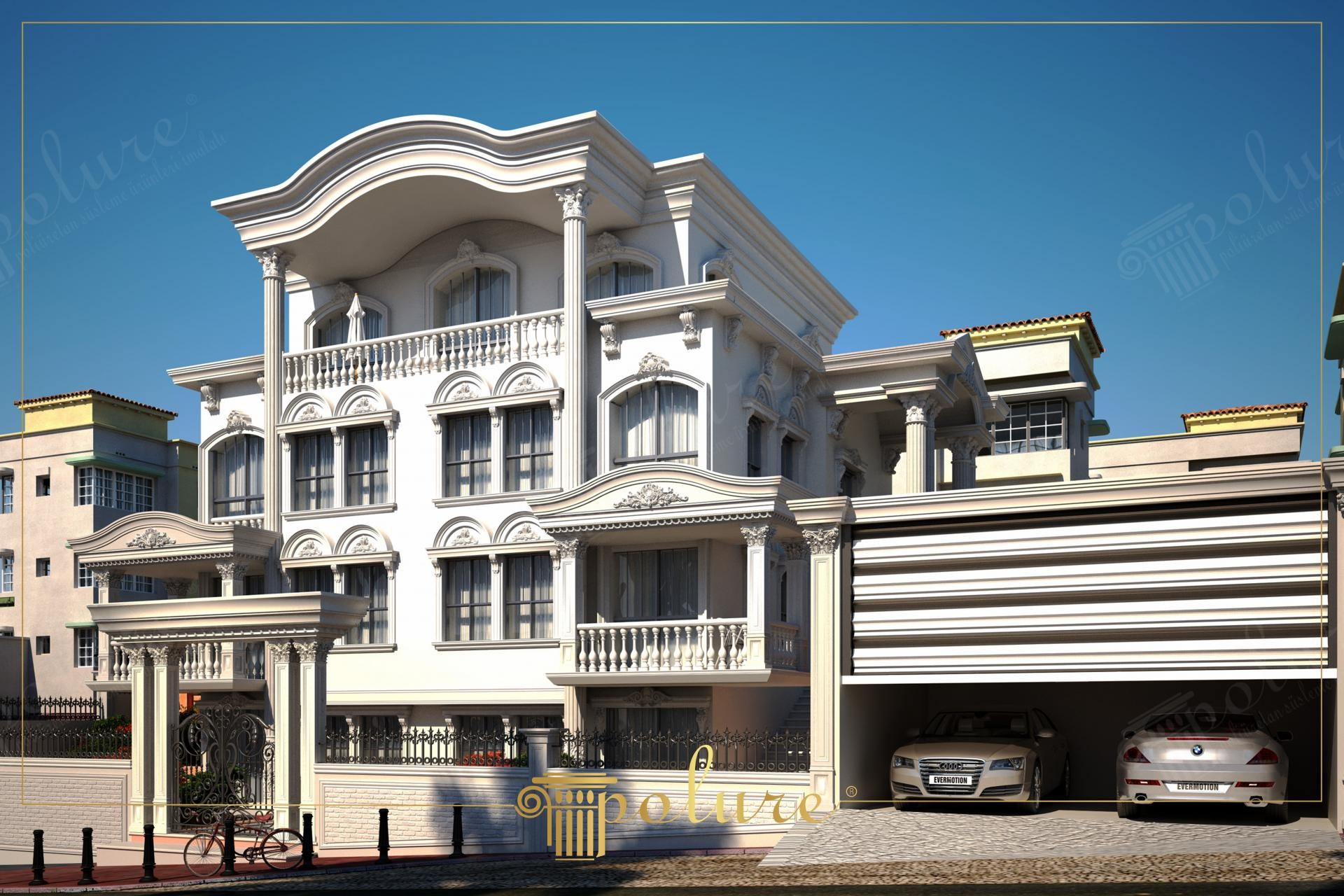
Elegant Polyurethane Classical Villa Designs with Refined Exterior Aesthetics
Classical Elegance with Polyurethane Detailing The villa demonstrates a strong influence of classical architecture with its meticulously crafted polyurethane details. Arched window frames, elegant door ornaments, and decorative balustrades form the foundation of its aesthetic appeal. The combination of symmetry and proportion reflects a timeless design language rooted in ancient traditions, adapted to contemporary living. The façade highlights ornamental motifs such as floral reliefs, geometric carvings, and elaborate cornices. Each floor presents a rhythm of repetition and variation, with arches softening the otherwise strong vertical lines created by the columns. Balconies with finely detailed railings extend the indoor atmosphere into the outdoor space, projecting sophistication and charm. One of the most striking features is the entrance area, framed with an intricate gate surrounded by sculpted polyurethane details. The gate mirrors the villa’s architectural vocabulary, integrating motifs that echo the façade’s arches and keystones. Decorative pilasters add dimensionality, while the garage structure incorporates subtle horizontal layers to maintain balance with the vertical emphasis of the main building. Historically, arched openings and fluted columns have been prominent in Roman and Renaissance architecture, symbolizing power and beauty. This villa uses polyurethane to reinterpret these elements, ensuring modern durability while keeping the grandeur of the past alive. The use of balustrades, arches, and columns reflects continuity with classical ideals, yet executed with precision suitable for present-day applications. Symmetrical and rhythmic window arrangements emphasize harmony. Polyurethane cornices and pilasters showcase decorative craftsmanship. Garage and entrance seamlessly blend modern functionality with heritage aesthetics. This refined approach to classical villa design reveals the potential of polyurethane elements to enhance architectural luxury, blending elegance with long-lasting practicality. The villa design emphasizes classical architecture interpreted with modern techniques. The structured symmetry of the façade delivers a sense of harmony. Decorative arches define the composition of the windows. Sculpted reliefs add depth and ornate character to the structure. Columns with fluted detailing introduce vertical rhythm. Polyurethane materials ensure durability without losing aesthetic refinement. The entrance gate mirrors the main building’s elegance. Balustrades create a refined profile along balconies. Cornices bring layered shadows and sculptural texture. Historical influences from Roman and Renaissance eras are visible. Geometric motifs contribute elegance and balance. The garage blends seamlessly with the façade. Floral ornamentation integrates natural themes. The façade combines strength with sophistication. Overall, the villa represents timeless classical inspiration in a contemporary setting.

Timeless Classic Interior Designs with Polyurethane Elegance
Polyurethane in Classical Interior DesignPolyurethane has become a favored material for creating classical interiors with highly detailed ornamental surfaces. In this design, the ceilings feature concentric medallions and geometric lattices that frame a central chandelier, creating a striking focal point.The walls are enriched with rectangular framed panels, while the door panels display floral and arabesque reliefs. Above the doors, elaborate carvings crowned with flowing motifs reinforce the grandeur of ornamental detailing. Each corner column incorporates spiral fluting, evoking traditional design methods but executed with modern materials.The archways combine layered frames and floral decorations that recall the decorative traditions of neoclassical and baroque interiors. A subtle historical reference to Greco-Roman order is visible through the vertical columns and structured symmetry, showing how these elements evolved from early Corinthian influences.Harmony of Motifs and GeometryThe integration of geometric precision and floral ornamentation is a defining character of this arrangement. The ceiling medallions emphasize radial patterns, while the walls mirror this rhythm through vertical symmetry. The consistent application of polyurethane allows for accurate replication of fine details and resilience to time.Intricate ceiling medallions with floral and geometric motifsDecorative panels and framed recesses on the wallsTwisted column structures with carved basesDetailed archways with layered moldingsBy combining polyurethane craftsmanship with timeless classical styles, these interiors achieve permanence, luxury, and architectural cohesion suitable for both residential and professional environments. This classical interior design demonstrates how polyurethane transforms ornamentation into a refined art form. The ceiling showcases circular medallions combined with geometric grids. A chandelier completes the composition with elegance. Wall panels are framed with precise moldings. The doorway exhibits relief carvings with floral inspiration. Archways feature layered, ornate motifs. Spiral columns add a sense of movement and strength. Each element balances decoration and symmetry. Polyurethane ensures durability while maintaining delicate detail. Historical echoes of Corinthian and Baroque aesthetics are visible. The interplay between geometry and ornamentation creates rhythm. Every surface reflects refined craftsmanship. This style suits both residential and corporate interiors. Consistency across ceiling, walls, and doors ensures unity. The result is a classical interior that feels both timeless and enduring.

Classic Exterior Decorations
Decorations are an indispensable element of architectural aesthetics in classical exterior designs The decorations used on the facades can consist of reliefs, rosettes, column capitals, friezes, arches and various geometric patterns. These ornaments add richness, detail and visual appeal to the structure.

Polyurethane Corbels and Classical Interior and Exterior Decoration Designs
Elegance of Polyurethane Corbels in Classical DesignPolyurethane corbels embody a fusion of artistry and practicality, echoing the grandeur of historic classical interiors and exteriors. Their intricate carvings draw inspiration from motifs like acanthus leaves, spiral scrolls, and fluted shafts. These structural and decorative elements have been a hallmark of classical architecture, particularly in Doric, Ionic, and Corinthian orders, where symmetry and proportion played a crucial role.The wall installation showcases a variety of richly detailed corbel designs, arranged in radial composition to highlight diversity of form. Deep-carved grooves, swirling volutes, and layered floral ornaments give these elements a sculptural presence. The monochromatic white finish enhances shadow play, emphasizing the texture and dimensionality of each pattern, while recalling the purity of marble-like aesthetics.Historically, corbels were used to project weight outward and transfer loads from ceilings or arches, often ornamented to feature symbolic or decorative significance. Polyurethane versions preserve this symbolic artistry while offering practical benefits like durability, lightweight handling, and resistance to moisture. Their versatile use ranges from supporting shelves and mantels to embellishing columns, archways, and panel moldings.In contemporary interiors, these decorative motifs enrich design narratives by combining classical tradition with modern materials. The geometric rhythms and sculptural details create a dialogue of refinement, making them suitable for both palatial halls and contemporary apartments seeking decorative character. Polyurethane corbels combine authenticity with practicality in classical decoration. They highlight fine ornamentation such as acanthus motifs and scroll patterns. The radial arrangement demonstrates variety and artistry in design. The white palette enhances shadow depth and intricate reliefs. These forms echo Doric, Ionic, and Corinthian traditions. Historically, corbels supported projections and infused symbolic meaning. Modern polyurethane versions ensure durability and lightness. They mimic stone or wood without heavy weight. Such pieces enrich interiors with refined sculptural presence. They allow versatility in contemporary projects. Perfect for hallways, columns, and arches, they elevate style. Their ornamental geometry creates rhythm and dimension. Designers value their subtle but strong decorative effect. The carved surfaces add timeless sophistication. They show how modern materials sustain classical aesthetics.
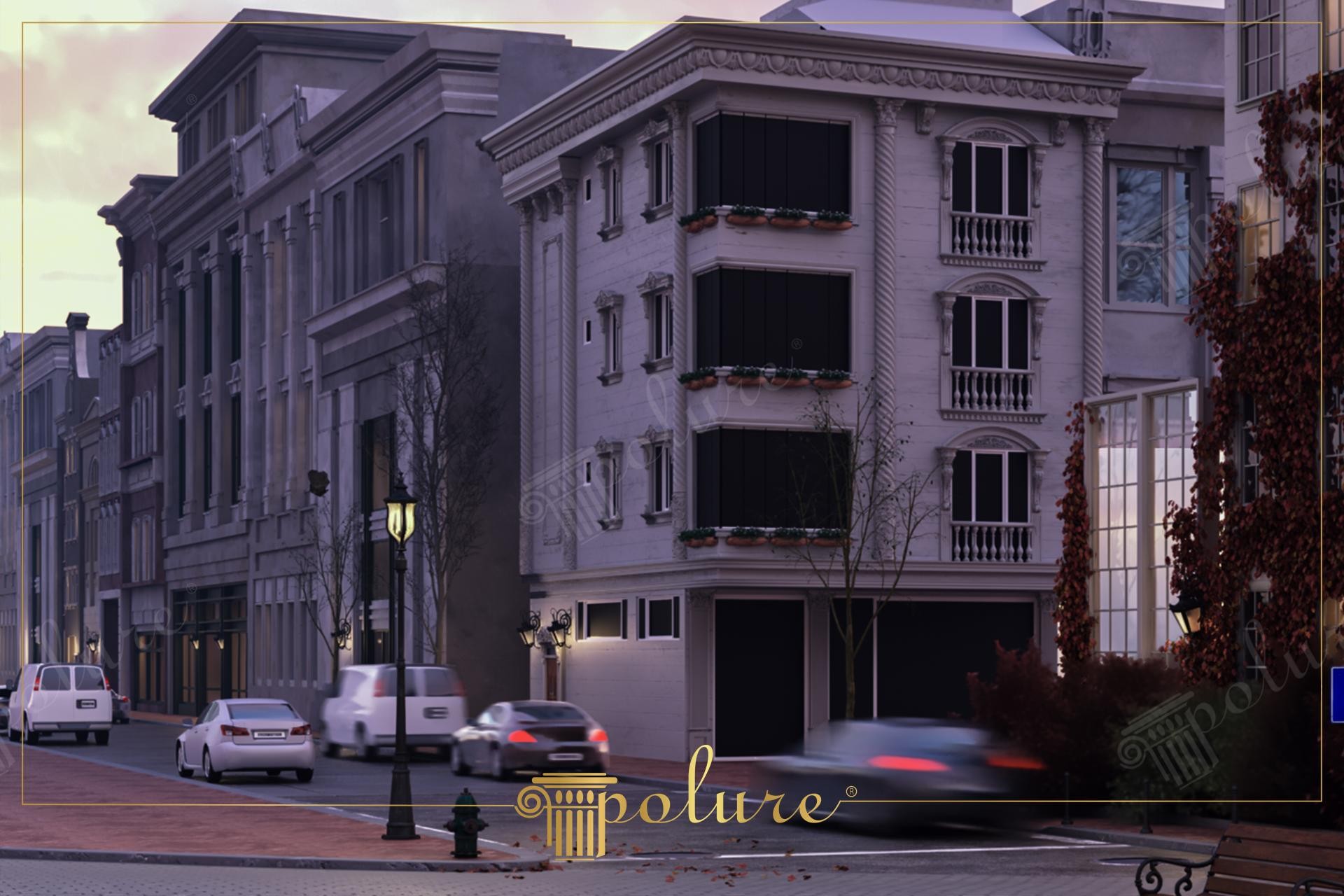
Polyurethane Classic Detached Facade Designs with Decorative Motifs
Classic Facade Decoration with PolyurethanePolyurethane elements provide a lightweight yet durable solution for enhancing facade elegance. In this design, vertical pilasters with fluted surfaces frame the building corners, reinforcing symmetry and classical balance. The surface carries fine geometric grooves, with repeating motifs that add rhythm and proportion to the detached structure.The windows are highlighted with rich polyurethane frames and ornamental surrounds. Balcony planters filled with floral arrangements soften the strong lines, creating a harmonious contrast between rigid geometry and organic forms. Cornices with carved dentil patterns crown the upper fascia, ensuring a visually cohesive silhouette.Historical Inspiration and Modern UseThe design evokes references to Renaissance and Baroque traditions, combining the refined grandeur of columns and cornices with modern practical construction. By employing polyurethane, architects achieve the timeless atmosphere of stone-carving without its heaviness. Historically, such decorative elements represented sophistication in urban residences, and here they blend seamlessly with a contemporary city street.Details in Geometry and OrnamentSlightly projecting balconies with balustrades contribute to shadows and layering, enhancing the facade depth. The integration of ornament and precision-cut surfaces emphasizes balance. Subtle patterns in relief, such as rosette medallions, highlight craftsmanship. The repetition of narrow vertical windows creates a rhythmic sequence, grounded by the strong horizontal lines of the base and cornice.Fluted pilasters for refined visual stability.Decorative cornice with dentil pattern adding movement.Balcony balustrades enhancing proportional aesthetics.Polyurethane material ensuring resistance to weather.All of these details come together to form a classic identity, allowing the detached facade to stand out with timeless elegance while offering the advantages of modern materials. The detached facade design uses polyurethane to achieve a timeless exterior look. Classical pilasters emphasize balance and proportion. Delicate ornament around windows provides richness. Balcony planters soften the rigid composition. Cornices with dentil patterns crown the structure. Each decorative motif adds historical character. Symmetry ensures cohesive spatial harmony. The use of columns elevates the vertical alignment. Balustrades strengthen the rhythmic geometry across floors. Grooved surfaces enhance tactile visual identity. The facade incorporates neoclassical references. Relief rosettes contribute ornamental texture. Polyurethane ensures durability against weather. Traditional motifs merge seamlessly with contemporary needs. The overall design creates a refined urban presence.

Polyurethane Classical Hotel Facade Designs Highlighting Architectural Character
Classical Expression Through Polyurethane DesignThe facade showcases a harmonious use of polyurethane elements to recreate timeless classical aesthetics. Tall vertical columns divide the facade rhythmically, while decorative capitals add intricate details that underline a feeling of nobility. Each window is framed with semi-arched ornaments, completed by balustrades that recall Renaissance and Baroque traditions.Above the windows, ornamental reliefs display floral and leaf-like motifs, balancing geometric accuracy with organic curves. These embellishments highlight the versatility of decorative facades achieved with polyurethane, providing both aesthetic richness and durability.Architectural Motifs and Historical ReferencesClassical designs historically used stone and plaster, but here lightweight polyurethane panels mirror those traditions with less weight and easier maintenance. Vertical fluting in the columns echoes Greco-Roman order, while layered cornices and repeated arch shapes emphasize symmetry and proportion.The use of white tones maximizes light reflection, giving the building a bright, uplifting identity. Detailed sculptural elements above the windows demonstrate how ornamental details define the character of a hotel facade, making it instantly recognizable and aligned with hospitality aesthetics.Design Impact on Character and AtmosphereThis approach combines traditional form with modern practicality. Through strong symmetry, decorative depth, and material innovation, the facade not only strengthens the architectural statement but also heightens the perception of prestige. Each repeating motif, whether balustrade, column, or cornice, contributes to a consistent identity that conveys stability, refinement, and timeless luxury. This facade illustrates how polyurethane transforms hotel exteriors with timeless elegance. The repeating columns give a powerful rhythm to the building. Decorative capitals show refined detailing rooted in classical styles. Balustrades beneath the windows elevate the aristocratic look. The arch-like frames above openings create visual harmony. Delicate ornamental details enrich the otherwise linear structure. White surfaces amplify light reflection and clarity. Floral reliefs provide softness to the hard geometry. The use of lightweight material ensures easier construction. Proportional repetition ensures consistent balance across the facade. The cornices crown the building with stately precision. Symmetry communicates architectural stability. Historical resonance connects the building to Greco-Roman traditions. Geometric motifs combine with organic curves for sophistication. Durable panels ensure longevity with minimal upkeep. This approach creates a facade that blends luxury and practicality perfectly.

Modern and Classical Villa Exteriors with Polyurethane Decorative Facades
Modern and Classical Harmony in Villa FacadesThe combination of polyurethane exterior decoration materials with modern glass and classical design elements creates an aesthetic villa concept. The exterior walls feature subtle cladding textures, while tall windows reflect the natural landscape and allow generous light flow. Decorative columns with fluted shafts and finely detailed capitals recall classical traditions yet find renewal in contemporary settings.The wooden terrace is designed with precise geometric alignments, integrating smooth surfaces that contrast with the textured facade. The pool’s linear form complements the clean architectural lines, reinforcing the sense of modern symmetry. Strategic use of classical motifs such as cornices, base moldings, and ornamental corner details enrich the villa’s character without overwhelming the overall clarity.Polyurethane as a Design ToolPolyurethane enables precision in fabrication of trims, moldings, and column capitals, combining durability with lightweight versatility. The material allows detailed reproductions of architectural ornaments, once carved from stone, to be realized with greater flexibility. Historically, classical villas relied on stone or stucco, but today polyurethane achieves visual authenticity while enhancing structural performance and simplicity in installation.The landscaping design, including the symmetrical vegetation lines and shrubs parallel to the terrace, adds softness and natural rhythm. The blend of modern geometry with classical decorative depth results in a timeless aesthetic that meets contemporary needs. This design approach strengthens spatial harmony both inside and outside, achieving a balance of sophistication and comfort.Decorative column capitals crafted with polyurethaneGeometric terrace and pool integrationClassical cornices balanced with modern glazingDurable yet elegant facade materials The villa design presents a refined fusion of modern and classical ideals. Polyurethane exterior elements articulate precise moldings with lasting strength. Decorative columns give a sense of timeless heritage. Large glass surfaces connect indoor spaces with nature. The wooden terrace is aligned with geometric clarity. The pool reinforces axial balance and openness. Classical ornamentation enriches modern function. Symmetry enhances calm exterior proportions. The landscape softens architectural intensity. Polyurethane reshapes tradition with durable ease. Fluted columns add texture in harmony with smooth walls. Cornices highlight transitions between floors elegantly. Strong verticals define modern stature. The balance of polyurethane, columns, cornices, and geometry reveals design sophistication. This villa embodies a holistic approach to comfort, elegance, and architectural expression.

Polyurethane Classical Wedding Hall Exterior Decoration Design
Polyurethane Classical Exterior DesignThe classical wedding hall exterior highlighted here is crafted with precision using polyurethane, a lightweight yet durable material ideal for detailed ornamental applications. The façade features a blend of fluted columns, each decorated with sculptural motifs, enhancing both stability and elegance.The central entryway stands out with a richly patterned surface of geometric motifs and lattice-like detailing framed by Corinthian-inspired columns. Decorative molds above the arched doors include floral swirls and symmetrical embellishments that amplify the sense of classical refinement.Architectural Motifs and PatternsThe curving roofline above the entrance introduces a dynamic element, underscored by recessed grid coffers that create interplay of shadow and depth. The steps leading up to this structure reinforce its ceremonial character, inviting guests with a sense of rise and grandeur.Design elements such as repeating floral motifs, arched transoms, and finely carved reliefs contribute to harmony and visual richness. Historically, such motifs stem from Greco-Roman influences, where arches, columns, and ornamented lintels were symbols of permanence and cultural prestige.Durability and Visual ImpactThe use of polyurethane decoration allows this design to remain resilient against environmental influences while preserving its fine detailing. The integration of arch geometry, ornate sculpting, and decorative pillar bases results in a visually compelling composition suitable for grand occasions. This classical wedding hall façade is designed with polyurethane elements for durability and elegance. The exterior features fluted columns that frame arched doorways with ornate floral details. A gracefully curved roofline with recessed coffers creates shadow and dimension. Decorative reliefs above the doors enhance the sense of symmetry. The central entrance presents refined geometric motifs within a lattice surface. Step arrangements emphasize a ceremonial approach. Intricate scrollwork patterns balance structure and ornamentation. Such classical proportions reflect Greco-Roman design traditions. Use of modern materials allows for lightweight yet durable solutions. The façade integrates texture and symmetry into a cohesive composition. Distinctive floral motifs create natural rhythm. Every ornamental detail highlights cultural refinement. The play of arches and pillars adds depth. This design is ideal for wedding venues of grandeur. Its blend of tradition and durability creates timeless appeal.

Hotel Exterior Decoration Tips and Suggestions Combining Elegance and Aesthetics
Hotel exterior decoration is an important element that determines the appearance of the hotel. In this article, tips and suggestions will be presented on how the hotel exterior decoration should be. Exterior designs made taking into account elegance, aesthetics and functionality reflect the character of the hotels and create the first impression of the guests. The keywords are hotel exterior decoration. Issues such as elegance and aesthetics will be discussed in detail in the article. In the article, the factors you need to consider in hotel exterior decoration will be focused on issues such as material selection, color preferences, architectural details, lighting and plant arrangements. Choosing an exterior design that suits the style and location of the hotel will strengthen the brand image of the hotel and increase the satisfaction of the guests. In the article, different hotel exterior decoration examples and inspiring design ideas will be shared. Hotel exterior decoration is important to increase the competitiveness of the hotel, create an attractive appearance and offer an unforgettable experience. In our article, you can learn about tips and trends on hotel exterior decoration and decorate your hotel's exterior in an impressive way. Hotel exterior decoration, which combines elegance and aesthetics, ensures that guests have an unforgettable experience. In our article, you can learn the points you need to consider in hotel exterior decoration and discover ways to make the exterior of your hotel attractive.
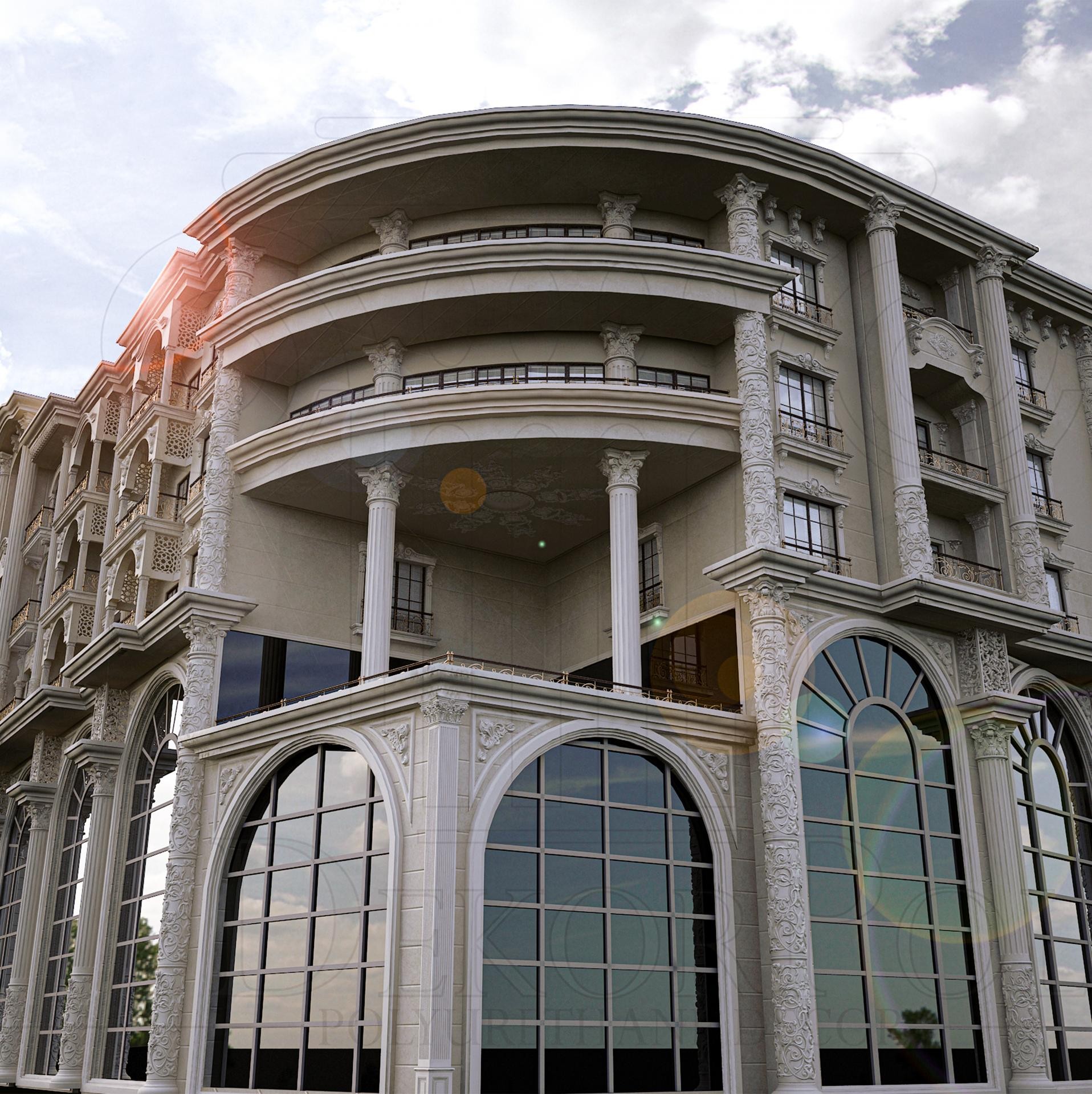
Polyurethane Siding for Hotels with Classical Elegance and Ornamental Facade Design
Classical Elegance with Polyurethane Facade ElementsPolyurethane siding is increasingly favored in modern hospitality architecture for its ability to replicate historical charm with lightweight materials. The hotel exterior presented here showcases tall vertical structures framed by decorative cornices, richly detailed pilasters, and precisely curved openings. Each element reflects a deliberate harmony of function and visual impact.The use of grand arc-shaped windows strengthens the sense of openness, while the intricate ornamental motifs carved along the edges highlight detail-oriented craftsmanship. Polyurethane enables these patterns to be replicated with consistency, ranging from floral reliefs to geometric friezes. This flexibility gives architects creative freedom without compromising on structural ease.Fluted columns extend upward to support wide balconies, reminiscent of the classical orders rooted in Greco-Roman tradition. Such structural accents bring historic reference with a lightweight and weather-resistant material. In particular, the rounded balconies and strong vertical emphasis combine to create an environment of stature and prestige.The contrast of large reflective glazed windows with pale, patterned siding emphasizes modernity blended with tradition. The finishing details — including the symmetrical arch designs and decorative trims — generate timeless aesthetics suitable for hotels aiming to attract guests with an elegant identity.A brief note of history: classical column orders such as Doric, Ionic, and Corinthian have influenced architecture for centuries. Polyurethane production allows echoes of these traditions to be recreated efficiently, ensuring that historical elegance can exist alongside today’s construction technologies.Durable lightweight materialIntricate decorative surfacesBalance of modern glass and classical motifs Polyurethane siding offers durable versatility for exterior facades. Hotels increasingly choose this material to achieve classical design without the weight of natural stone. Elegant columns contribute to a sense of height and dignity. The arched windows provide rhythm and balance across the structure. Detailed ornamental motifs enhance sophistication without overwhelming the facade. Modern glazing perfectly complements these historic references. Lightweight materials speed construction processes significantly. Balconies framed by decorative pilasters add harmony to vertical lines. Polyurethane allows consistent reproduction of intricate floral reliefs. Geometric balance emerges through symmetry and arc-shaped features. Guests experience both grandeur and welcoming clarity in such exteriors. Exterior surfaces remain resilient against harsh conditions with polyurethane. Hotels ensure distinctive impressions through timeless aesthetics. Decorative cornices crown the facade in a refined manner. This approach blends tradition and innovation for memorable architecture.

Polyurethane Classic Exterior Wedding Hall Decoration Design
Classic Polyurethane Wedding Hall DesignThis impressive structure emphasizes a polyurethane based exterior, chosen for its durability, lightweight properties, and capacity to mimic historical sculpted details. The architecture is defined by tall columns with decorative capitals, a series of arches, and embedded floral panels that elevate the appearance of the façade.The three arched portals, each framed by delicately carved ornamental reliefs, guide the eye toward the central entrance framed with a richly decorated pediment. The doorway integrates ornamental motifs such as acanthus leaves, curled scrolls, and a stylized crest, balancing the classical symmetry with exuberant details. These motifs recall traditions of Greek and Roman architecture, particularly Ionic and Corinthian elements, applied for a luxurious aesthetic.The arrangement of the façade is enhanced by layered cornices running horizontally across the roofline, complemented by the curved staircase that welcomes guests into the hall. The steps are carefully proportioned, creating a transitional stage that blends exterior grandeur with anticipated interior luxury.A historical note: the use of columns with floral carvings and balanced pediments reflects a design lineage dating back to Renaissance and Baroque architecture, where emphasis on symbolism and detail amplified the sense of celebration in public and private spaces.Durable polyurethane mimics stone and wood carving.Floral and scroll motifs provide delicate ornamentation.Curved staircase enhances ceremonial entry.Symmetry in design aligns with classical traditions. This exterior design uses polyurethane elements to create a refined and classical wedding hall entrance. The façade highlights symmetrical columns supporting intricate capitals and richly adorned arches. Decorative floral scrolls bring finesse to the design without compromising durability. The curved staircase enhances the ceremonial atmosphere of the entry sequence. A central crest under the pediment adds grandeur and symbolic depth. Balanced proportions echo traditions of Neoclassical architecture. The façade incorporates historic motifs from Baroque elegance. Enhanced arches provide rhythm to the external composition. The use of ornamental cornices ties together vertical and horizontal planes. Polyurethane components provide cost efficiency alongside realism. Each arched doorway features sculpted relief work. Guests are welcomed with a sophisticated and timeless entrance. The overall design enhances both aesthetics and structural harmony. This blend ensures a celebratory and upscale environment. The completed composition defines a perfect exterior for special gatherings.

Neoclassical Polyurethane Wedding Hall Exterior Design Ideas
Elegant Neoclassical Facade for Wedding HallsThis wedding hall exterior showcases a neoclassical design approach that balances rhythm, harmony, and decorative detail. The façade is structured with symmetrical polyurethane columns, topped with intricately carved capitals reminiscent of Corinthian orders. These columns frame tall arched panels above the doors, each enriched with sculpted floral and ornamental motifs.The front entrance is raised on wide steps and presented with a projecting portico, supported by detailed columns and crowned with a triangular pediment carrying ornamental reliefs. The repetition of arched windows and paneling along the façade reinforces the classical rhythm while allowing light and structure to balance visually.Materials and Decorative FeaturesPolyurethane is a practical choice for exterior decoration, as it permits elaborate molding patterns while resisting moisture and decay better than some traditional materials. This structure utilizes polyurethane for sculpted garlands, rosettes, and reliefs, offering a high level of detail without the cost and weight of stone carving.The freestanding twin column sets on pedestals near the entrance emphasize grandeur, creating a ceremonial passage for guests. Their bases include layered moldings and floral motifs, while the shafts are vertically fluted, ensuring authenticity to classical architecture.Historic Influence and Modern AdaptationThe design references the grandeur of classical Greco-Roman architecture, where fluted shafts and ornate capitals symbolized refinement and order. By integrating polyurethane, the design achieves similar monumental aesthetics with modern flexibility and installation benefits. The interplay of decorative reliefs, balanced symmetry, and structured geometries makes this wedding hall exterior a striking representation of timeless beauty adapted to contemporary needs. This wedding hall exterior highlights a neoclassical design combined with modern practicality. The symmetrical columns create balance and grandeur. Polyurethane allows refined ornamentation at reduced weight. Arched frames enhance vertical rhythm with decorative reliefs. A projecting portico emphasizes the central entrance. Steps leading to the door enhance ceremony and approach. Twin freestanding columns frame the main courtyard gracefully. Each shaft carries vertical fluting and floral details. Capitals resemble Corinthian elegance with carved motifs. Repeated arches maintain visual consistency across the façade. Relief elements enrich the upper panels with symbolic decoration. Polyurethane’s durability ensures long-lasting exterior refinement. This design merges tradition with practical methods. Guests experience timeless architectural beauty. Classical inspiration meets modern adaptability.

Polyurethane Facade Decoration Ideas for Modern Classic Hotel Exteriors
Polyurethane as a Key Material in Hotel Exterior DesignThe use of polyurethane in modern classic hotel decoration allows facades to combine timeless beauty with practical durability. Its moldable character makes it ideal for classical profiles, including cornices, pilasters, and ornamental frames around windows. Unlike heavy stone, polyurethane offers lighter installation and long-term resistance to weather conditions.Architectural Rhythm and Classical InspirationHotels aiming for sophistication often rely on clear geometry and repetition. The design includes alternating vertical and horizontal layers across the façade, giving it a strong rhythmic presence. Symmetrical columns and rectangular layering evoke traditional European architecture, recalling motifs historically used in Renaissance and Baroque structures, while still adapting them to contemporary urban needs.Contrast and Detail EnhancementsOne remarkable feature is the combination of dark-toned brick panels with a striking white polyurethane-framed vertical axis. This creates architectural contrast that highlights the entrance and differentiates one structure from the neighboring surfaces. Window frames enhanced by ornate polyurethane moldings reinforce this character. Additionally, striped awnings on the ground level bring commercial vibrancy, supported by balconies and slim railings above.Practical and Aesthetic BenefitsPolyurethane allows designers to achieve highly detailed surface patterns without excessive cost or structural weight. Decorative motifs, layered cornices, and flower box supports expand the potential of hotel branding, conveying elegance and comfort to guests before they even enter the building. These visual cues reflect the hotel’s positioning within a competitive urban scene.ConclusionThe integration of polyurethane in modern classic hotel exterior design offers a harmony of history and innovation. Through its versatile application in columns, cornices, frames, and subtle ornamentation, it provides both resilience and sophistication, enriching the architectural landscape of city streets. Polyurethane is increasingly chosen for hotel facades due to its versatility and durability. This material allows intricate motifs to be achieved without the weight of stone. Designers use it to highlight windows, balconies, and decorative frames. Dark brick walls paired with white polyurethane accents create striking contrast. Striped awnings add a sense of rhythm to the ground floor. Vertical symmetry supported by columns enhances classical balance. Ornamental flower boxes increase street-level charm. The repetition of geometric shapes provides a modern yet historical feeling. Polyurethane cornices emphasize depth. Hotels can showcase sophistication through layered façade designs. Lightweight yet detailed, this material reduces installation complexity. It combines practicality with aesthetic richness. Urban hotels benefit from its adaptability. The overall atmosphere is elegant and welcoming. Ultimately, polyurethane helps unite modern classic design ideals with lasting functionality.
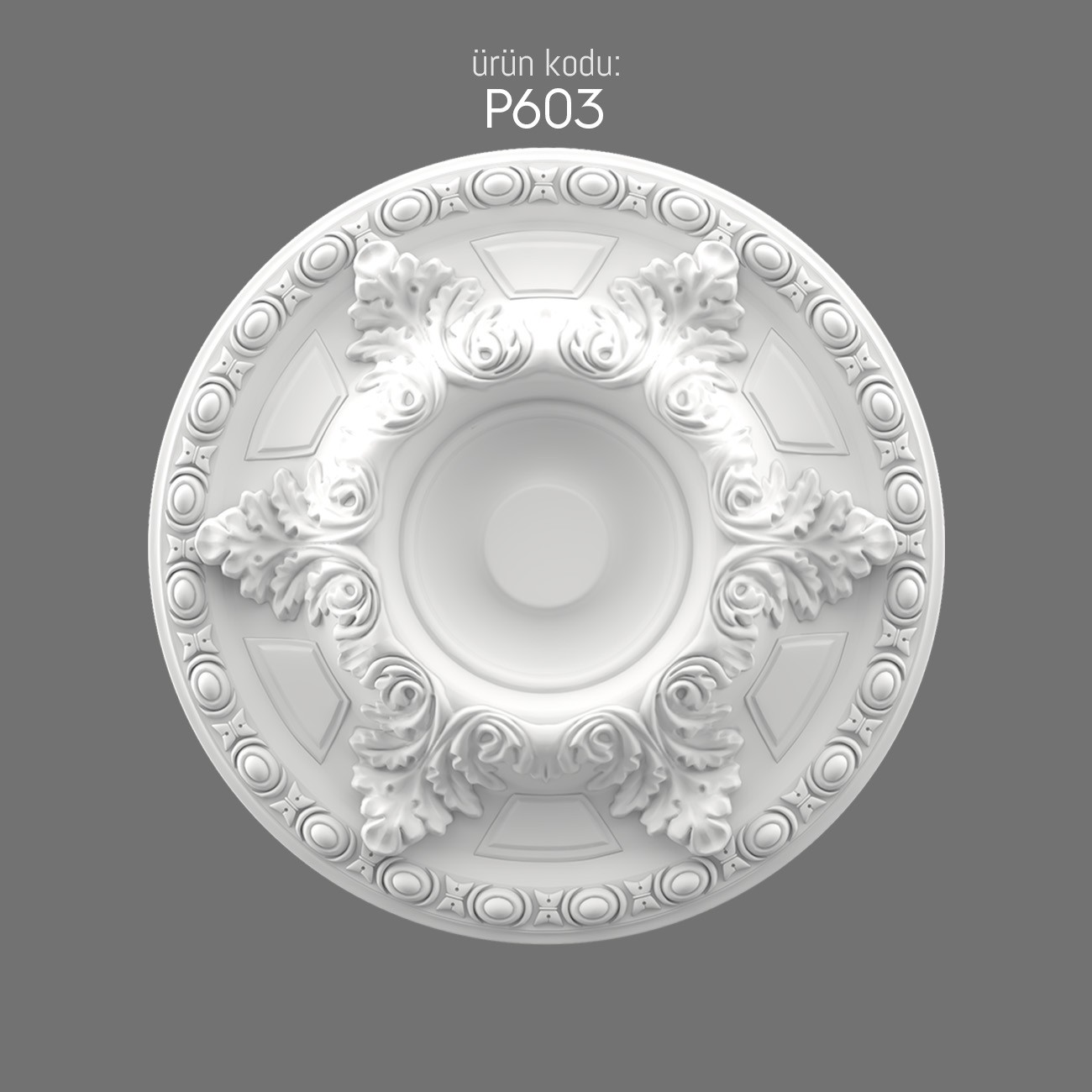
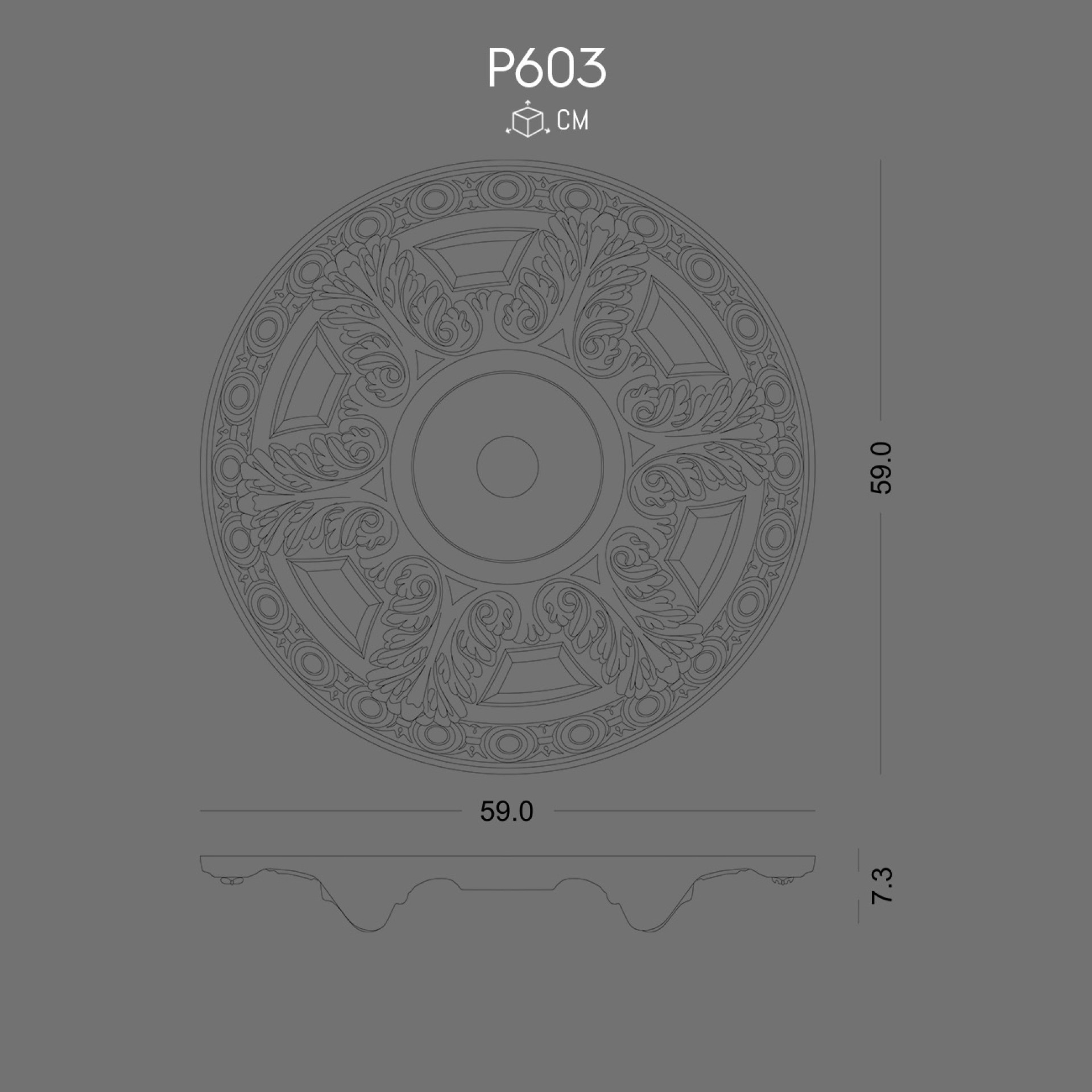
P603 Ceiling Medallions and Rosettes
The P603 Ceiling Medallions and Rosettes feature an intricate combination of ornamental leaves and circular motifs. This refined piece of decorative molding reflects both classical inspiration and modern utility, blending elegance with practicality.
Historically, ceiling medallions were prominent in European architecture, particularly during the 18th century when they were used around chandeliers. The P603 design continues that legacy with artistic patterns that establish a sense of tradition while offering easy installation.
The lightweight polyurethane material ensures durability and simplifies the process, making it perfect for anyone seeking timeless ceiling enhancements. The alternating circular borders and leaf-like elements add depth, creating shadows that enhance its sculptural quality.
This medallion works beautifully in living rooms, dining spaces, or hallways, serving as a focal point of interior decoration. Its crisp detailing allows for versatile painting to integrate seamlessly into any color scheme.
- Lightweight yet durable construction
- Elegant ornamental leaf motifs
- Easy installation and time-saving design
- Adaptable to different design styles
The P603 Ceiling Medallions and Rosettes successfully merge aesthetics with function, offering enduring charm and practicality.
The P603 Ceiling Medallions and Rosettes combine elegance with functionality. Their intricate design features ornate leaves that connect nature-inspired curves with geometric order. The crisp edges enhance shadow play under lighting. Such decorative elements have a long history in classical architecture. They were often used to draw attention to central lighting pieces. The P603 continues this tradition with modern materials. Lightweight polyurethane makes installation fast and efficient. These medallions endure without cracking or fading over time. The design can be painted to match any interior palette. Their adaptability suits both classical and contemporary rooms. A subtle anecdote recalls salons in Europe where medallions symbolized status. The P603 offers the same grandeur for today’s homes. Both residential and commercial interiors benefit from their presence. Its refined detailing elevates ceilings into works of art. Ultimately, the P603 Ceiling Medallions and Rosettes embody timeless decorative sophistication.
P603 Ceiling Medallions and Rosettes Refined Interior Decoration
The P603 Ceiling Medallions and Rosettes bring timeless elegance to interiors, combining intricate leaf details with geometric framing. This decorative element echoes historical European design, where ceiling medallions were used to highlight chandeliers and central lighting. With its perfect symmetry and ornamental forms, P603 offers a refined solution for both classical and modern interiors. An anecdote recalls how 18th-century French salons used such rosettes to emphasize grandeur while also hiding imperfections in ceiling finishes. Today, P603 continues this tradition while being lightweight and easy to install, saving time and effort. Its crisp white finish allows seamless painting to match any palette, from minimalist tones to bold highlights. The medallion’s layered motifs create depth, making light reflections dance across the surface. Durable polyurethane material ensures long-lasting beauty without cracking or warping. Whether placed in living rooms, dining spaces, or grand halls, P603 becomes a focal point of artistry. The organic leaf details connect classical nature-inspired aesthetics with geometric balance. Each curve and pattern reflects a sense of craftsmanship and history. P603 Ceiling Medallions and Rosettes thus serve as more than decoration—they embody a dialogue between tradition and contemporary design needs.
ceiling medallions, rosettes, decorative molding, polyurethane medallion, ceiling decoration, classical ceiling design, ornate ceiling center, interior decoration, ceiling rosette, chandelier medallion, architectural ornament, decorative ceiling element, traditional ceiling decor, ceiling embellishment, P603 medallion
No reviews found!

No reviews found for this product. Be the first to comment!