 ENGLISH
 ITALIAN
 GERMAN
 GREEK
GREEK FRENCH
 SPANISH
 PORTUGUESE
 POLISH
 DUTCH
DUTCH ALBANIAN
 SERBIAN

Products


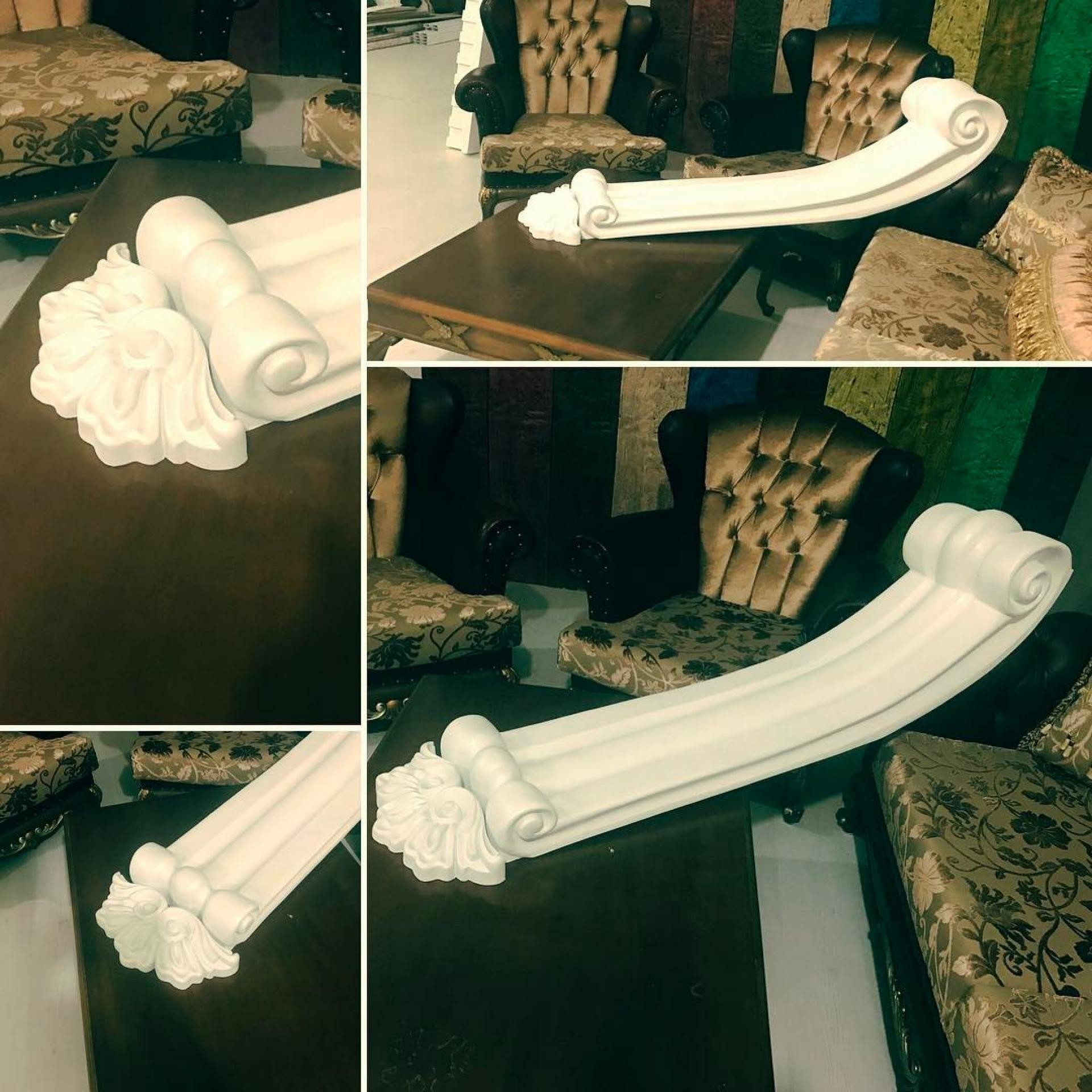
P99143 Polyurethane Bracket Decorative Wall Design
€267.83 €200.87


P99143A Bracket Durable Long Lasting Wall Decoration
€31.45 €23.59

Elegant Polyurethane Classic Wedding Hall Facade with Floral Ornamentation
Classic Facade Design with Polyurethane DetailsThe structure highlights a classical architectural language executed through modern polyurethane materials, which allow precise detailing of moldings and ornaments. The balanced geometry of arches and vertical pilasters underlines the grandeur of the main elevation. The façade adopts symmetry as a defining feature, presenting three dominant arched portals framed with intricate relief work and decorated spandrels.The floral and leafy motifs carved into the polyurethane surfaces give the design a distinctive decorative character. These motifs, paired with strong geometric framing, generate a dialogue between structural firmness and ornamental finesse. The central entrance, accentuated with a golden sign, becomes the focal point, welcoming guests into a ceremonial environment.Decorative Heritage and Historical InfluenceThe use of pointed and rounded arches recalls stylistic traces of European Renaissance revival, while the fluted pilasters with Corinthian-inspired capitals reference traditions of Roman architecture. Historically, such columns and pilasters were praised for their ability to convey power and stability combined with aesthetic delicacy.The front balustrade further emphasizes the ceremonial approach to the hall. With its repeating turned balusters, it creates rhythm and order, guiding visitors' eyes naturally to the central entrance. This clever combination of floral patterns, rectilinear panels, and classical arches offers an ideal exterior for wedding venues aiming to create a strong first impression.Symmetrical facade compositionRefined polyurethane details for durabilityElegant arches and relief workDecorative floral motifs enhancing atmosphereStructured balustrade guiding entry This wedding hall facade embodies a refined interpretation of classical architecture. The design relies on strong symmetry and well-defined proportions. Polyurethane components provide durability and precise detailing. Decorative arches frame the central entrance in an elegant way. Floral motifs soften the monumental scale of the structure. The balustrade adds rhythm and guides guests into the space. A pure white color emphasizes sculptural depth. The relief ornaments highlight floral and geometric interplay. Corinthian-style pilasters add a touch of grandeur. Historical references create timeless visual authority. Visitors are greeted by a majestic and welcoming composition. The balance of structure and decoration creates harmony. Floral carvings enrich the celebratory atmosphere. This facade demonstrates durability alongside beauty. The design communicates both festivity and elegance.

Hotel Exterior Decoration Tips and Suggestions Combining Elegance and Aesthetics
Hotel exterior decoration is an important element that determines the appearance of the hotel. In this article, tips and suggestions will be presented on how the hotel exterior decoration should be. Exterior designs made taking into account elegance, aesthetics and functionality reflect the character of the hotels and create the first impression of the guests. The keywords are hotel exterior decoration. Issues such as elegance and aesthetics will be discussed in detail in the article. The article will focus on the factors you need to consider in hotel exterior decoration, material selection, color preferences, architectural details, lighting and plant arrangements. Choosing an exterior design that suits the style and location of the hotel will strengthen the brand image of the hotel and increase the satisfaction of the guests. In the article, different hotel exterior decoration examples and inspiring design ideas will be shared. Hotel exterior decoration is important to increase the competitiveness of the hotel, create an attractive appearance and provide an unforgettable experience. In our article, you can learn about tips and trends on hotel exterior decoration and decorate your hotel's exterior impressively. Hotel exterior decoration, which combines elegance and aesthetics, ensures that guests have an unforgettable experience. In our article, you can learn the points you need to consider in hotel exterior decoration and discover ways to make the exterior of your hotel attractive.

Classical Elegance with Polyurethane Decoration on Building Facades
Polyurethane Facade EleganceThe use of polyurethane elements on exterior facades allows designers to build classical compositions with remarkable precision. The building presents a sequence of arches framing balconies, supported visually by vertical columns at the edges. These structural rhythms enhance both balance and symmetry.Between the window frames, one notices panels decorated with geometric and floral motifs. These panels bring delicate texture that contrasts with smooth plastered surfaces. The relief details are crafted with fine contours, producing light and shadow play that enriches the facade’s visual depth.The balconies are enriched with ornate balustrades featuring repeating curvilinear designs. This integration of decorative metalwork with polyurethane framing merges function and ornament. Historically, such forms echo Renaissance and Baroque traditions, where facades often combined sculptural surfaces with structural order.Applying these motifs through polyurethane ensures longevity. The material remains durable against weather exposure, while being lightweight, flexible, and easy to install compared to traditional carved stone. This offers buildings the aesthetics of classical refinement with contemporary convenience.Together, the arches, relief surfaces, columns, and balustrades provide a facade design that articulates elegance, harmony, and timeless sophistication. The texture created by repeating ornamental surfaces turns the exterior into a living canvas of classical art interpreted through modern manufacturing. The facade demonstrates classical inspiration through precisely designed polyurethane surfaces. The composition balances strong columns with light decorative reliefs. Arch-shaped frames highlight rhythm and symmetry throughout the exterior. Enriched balcony railings provide intricate details. The design integrates geometric ornamentation with floral variations. These motifs generate rich shadows under natural light. Material durability supports long-term architectural identity. The use of lightweight components accelerates installation. Historic traditions inspire proportions and detailing. Contemporary technology refines surface accuracy. The facade turns classical ideals into modern aesthetic solutions. Decorative repetition enhances cohesive expression. Balance between smooth and textured creates visual harmony. The integration of relief patterns celebrates sophisticated craftsmanship. This architectural approach achieves lasting elegance.

Polyurethane Classical Facade with Ornamental Details for Hotel Design
Classical Elegance with Polyurethane Details The hotel facade employs polyurethane elements that add a refined classical identity to the structure. These details are applied to arches, cornices, and balcony edges, strengthening both durability and visual impact. The meticulous reliefs emphasize symmetry and create a sense of continuity across the elevation. Decorative motifs showcase ornamental patterns inspired by classical architecture, featuring floral curves and geometric rhythm. Framed windows, highlighted with molded borders, enhance the vertical perception of the building. The soft ivory tone of the facade reinforces freshness while reflecting natural light for a welcoming atmosphere. Historical Influences The use of columns and capitals recalls the enduring principles of Greco-Roman design, where proportion and balance were celebrated. The Corinthian-inspired column details and arched balconies echo the rich tradition of decorative facades seen in historic palaces. Design Integration The balconies use wrought-iron-like balustrades that add both safety and artistic value. Patterns of curling leaves and repetitive floral symmetries create a continuous flow from one level to another. This interplay of light, shadow, and relief transforms the hotel into a landmark of classical inspiration blended with 21st-century construction methods. Polyurethane material ensures durability and lightweight installation. Symmetry emphasizes refined order and harmony. Ornamental patterns with floral and geometric relief enrich depth. Freshness provided by the light palette enhances openness. This facade design for a hotel combines classical ornament with modern practicality. The use of polyurethane ensures that elaborate details remain lightweight yet durable. Decorative columns and arches create rhythm and visual interest. The designers embraced ornamental patterns to enrich the surfaces with depth. Balconies wrapped with sculpted motifs reinforce openness. The light tones establish a feeling of freshness that connects with natural light. Historical references to Greco-Roman proportions underline timeless elegance. The layering of reliefs contributes complexity without overwhelming the form. Wrought-like railings offer both safety and style. Carefully placed cornices define the facade’s vertical accents. Geometric balance ensures overall harmony from base to roof. Repetition of reliefs points to consistent design language. Botanical curves enrich the otherwise straight geometry. The architectural hierarchy highlights grandeur through scale. This union of symmetry and craftsmanship results in a hotel exterior of distinctive prestige.

Hotel Exterior Decoration Tips and Suggestions Combining Elegance and Aesthetics
Hotel exterior decoration is an important element that determines the appearance of the hotel. In this article, tips and suggestions will be presented on how the hotel exterior decoration should be. Exterior designs made taking into account elegance, aesthetics and functionality reflect the character of the hotels and create the first impression of the guests. The keywords are hotel exterior decoration. Issues such as elegance and aesthetics will be discussed in detail in the article. The article will focus on the factors you need to consider in hotel exterior decoration, material selection, color preferences, architectural details, lighting and plant arrangements. Choosing an exterior design that suits the style and location of the hotel will strengthen the brand image of the hotel and increase the satisfaction of the guests. In the article, different hotel exterior decoration examples and inspiring design ideas will be shared. Hotel exterior decoration is important to increase the competitiveness of the hotel, create an attractive appearance and provide an unforgettable experience. In our article, you can learn about tips and trends on hotel exterior decoration and decorate your hotel's exterior impressively. Hotel exterior decoration, which combines elegance and aesthetics, ensures that guests have an unforgettable experience. In our article, you can learn the points you need to consider in hotel exterior decoration and discover ways to make the exterior of your hotel attractive.

Polyurethane Corbels and Classical Interior and Exterior Decoration Designs
Elegance of Polyurethane Corbels in Classical DesignPolyurethane corbels embody a fusion of artistry and practicality, echoing the grandeur of historic classical interiors and exteriors. Their intricate carvings draw inspiration from motifs like acanthus leaves, spiral scrolls, and fluted shafts. These structural and decorative elements have been a hallmark of classical architecture, particularly in Doric, Ionic, and Corinthian orders, where symmetry and proportion played a crucial role.The wall installation showcases a variety of richly detailed corbel designs, arranged in radial composition to highlight diversity of form. Deep-carved grooves, swirling volutes, and layered floral ornaments give these elements a sculptural presence. The monochromatic white finish enhances shadow play, emphasizing the texture and dimensionality of each pattern, while recalling the purity of marble-like aesthetics.Historically, corbels were used to project weight outward and transfer loads from ceilings or arches, often ornamented to feature symbolic or decorative significance. Polyurethane versions preserve this symbolic artistry while offering practical benefits like durability, lightweight handling, and resistance to moisture. Their versatile use ranges from supporting shelves and mantels to embellishing columns, archways, and panel moldings.In contemporary interiors, these decorative motifs enrich design narratives by combining classical tradition with modern materials. The geometric rhythms and sculptural details create a dialogue of refinement, making them suitable for both palatial halls and contemporary apartments seeking decorative character. Polyurethane corbels combine authenticity with practicality in classical decoration. They highlight fine ornamentation such as acanthus motifs and scroll patterns. The radial arrangement demonstrates variety and artistry in design. The white palette enhances shadow depth and intricate reliefs. These forms echo Doric, Ionic, and Corinthian traditions. Historically, corbels supported projections and infused symbolic meaning. Modern polyurethane versions ensure durability and lightness. They mimic stone or wood without heavy weight. Such pieces enrich interiors with refined sculptural presence. They allow versatility in contemporary projects. Perfect for hallways, columns, and arches, they elevate style. Their ornamental geometry creates rhythm and dimension. Designers value their subtle but strong decorative effect. The carved surfaces add timeless sophistication. They show how modern materials sustain classical aesthetics.

Hotel Exterior Decoration Tips and Suggestions Combining Elegance and Aesthetics
Hotel exterior decoration is an important element that determines the appearance of the hotel. In this article, tips and suggestions will be presented on how the hotel exterior decoration should be. Exterior designs made taking into account elegance, aesthetics and functionality reflect the character of the hotels and create the first impression of the guests. The keywords are hotel exterior decoration. Issues such as elegance and aesthetics will be discussed in detail in the article. In the article, the factors you need to consider in hotel exterior decoration will be focused on issues such as material selection, color preferences, architectural details, lighting and plant arrangements. Choosing an exterior design that suits the style and location of the hotel will strengthen the brand image of the hotel and increase the satisfaction of the guests. In the article, different hotel exterior decoration examples and inspiring design ideas will be shared. Hotel exterior decoration is important to increase the competitiveness of the hotel, create an attractive appearance and offer an unforgettable experience. In our article, you can learn about tips and trends on hotel exterior decoration and decorate your hotel's exterior in an impressive way. Hotel exterior decoration, which combines elegance and aesthetics, ensures that guests have an unforgettable experience. In our article, you can learn the points you need to consider in hotel exterior decoration and discover ways to make the exterior of your hotel attractive.

Polyurethane Facade Decoration Ideas for Modern Classic Hotel Exteriors
Polyurethane as a Key Material in Hotel Exterior DesignThe use of polyurethane in modern classic hotel decoration allows facades to combine timeless beauty with practical durability. Its moldable character makes it ideal for classical profiles, including cornices, pilasters, and ornamental frames around windows. Unlike heavy stone, polyurethane offers lighter installation and long-term resistance to weather conditions.Architectural Rhythm and Classical InspirationHotels aiming for sophistication often rely on clear geometry and repetition. The design includes alternating vertical and horizontal layers across the façade, giving it a strong rhythmic presence. Symmetrical columns and rectangular layering evoke traditional European architecture, recalling motifs historically used in Renaissance and Baroque structures, while still adapting them to contemporary urban needs.Contrast and Detail EnhancementsOne remarkable feature is the combination of dark-toned brick panels with a striking white polyurethane-framed vertical axis. This creates architectural contrast that highlights the entrance and differentiates one structure from the neighboring surfaces. Window frames enhanced by ornate polyurethane moldings reinforce this character. Additionally, striped awnings on the ground level bring commercial vibrancy, supported by balconies and slim railings above.Practical and Aesthetic BenefitsPolyurethane allows designers to achieve highly detailed surface patterns without excessive cost or structural weight. Decorative motifs, layered cornices, and flower box supports expand the potential of hotel branding, conveying elegance and comfort to guests before they even enter the building. These visual cues reflect the hotel’s positioning within a competitive urban scene.ConclusionThe integration of polyurethane in modern classic hotel exterior design offers a harmony of history and innovation. Through its versatile application in columns, cornices, frames, and subtle ornamentation, it provides both resilience and sophistication, enriching the architectural landscape of city streets. Polyurethane is increasingly chosen for hotel facades due to its versatility and durability. This material allows intricate motifs to be achieved without the weight of stone. Designers use it to highlight windows, balconies, and decorative frames. Dark brick walls paired with white polyurethane accents create striking contrast. Striped awnings add a sense of rhythm to the ground floor. Vertical symmetry supported by columns enhances classical balance. Ornamental flower boxes increase street-level charm. The repetition of geometric shapes provides a modern yet historical feeling. Polyurethane cornices emphasize depth. Hotels can showcase sophistication through layered façade designs. Lightweight yet detailed, this material reduces installation complexity. It combines practicality with aesthetic richness. Urban hotels benefit from its adaptability. The overall atmosphere is elegant and welcoming. Ultimately, polyurethane helps unite modern classic design ideals with lasting functionality.
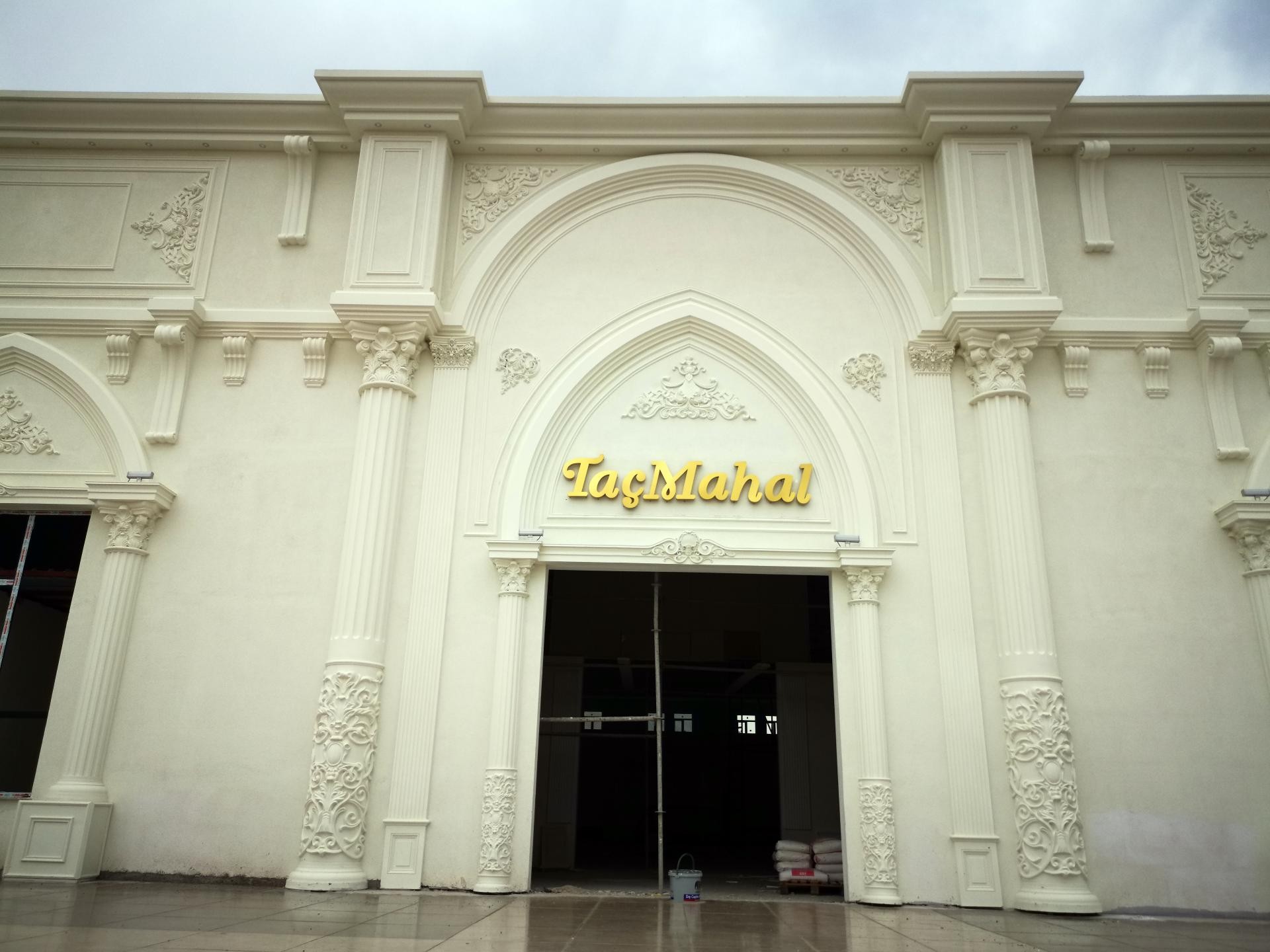
Polyurethane Classical Facade Design for Elegant Wedding Hall
Classical Facade and First ImpressionThe elegant use of polyurethane moldings brings a luxurious quality to the wedding hall’s exterior. The tall, curved arches with ornate keystones highlight the entrance, while sculpted columns on either side provide both symmetry and stature. Visitors are immediately greeted by a sense of grandeur reinforced by the ivory palette that enhances the decorative reliefs.Ornamental Details and MotifsThe facade is adorned with floral and vine motifs, finely carved into the surface of pilasters and cornices. These detailed reliefs are strategically placed to frame the entry and create balance between vertical and horizontal elements. Polyurethane, being a versatile medium, allows for crisp patterns that mimic traditional stone crafts while remaining lightweight and durable.Subtle geometric rhythms can be seen in the symmetrical layout of panels and arches. Repetition of forms such as rectangles, semicircles, and triangular pediments contributes to the structured harmony of the design. The floral ornamentation acts as a soft counterpoint, adding elaborate texture to the otherwise clean lines.Historical InspirationThis approach to design relates back to European classical architecture where columns and delicate ornamentation were seen as symbols of opulence and prestige. The capitals with intricate scrollwork are reminiscent of Corinthian order details, bridging history with contemporary material techniques.Design Balance in AtmosphereThe unified use of ornament, proportion, and structured symmetry defines the welcoming atmosphere of this wedding hall. The classic style is not overwhelming; rather, it inspires a sense of celebration and grandeur fitting for events of significance. The facade offers a lasting impression that marries traditional aesthetics with modern durability.Polyurethane panels shaped with floral reliefsColumns with sculpted capitals and base patternsGeometric repetition ensuring visual harmonyGrand arches enhancing ceremonial character The classical wedding hall facade presents a sophisticated entrance with detailed polyurethane elements. The arches are highlighted by ornamental flourishes that create a flowing rhythm of elegance. Columns with intricate capitals reinforce a timeless visual weight. The creamy ivory exterior is defined by sculpted panels that suggest heritage and refinement. Visitors sense grandeur in the proportionate design of motifs. Symmetrical layouts enhance the balanced atmosphere. The floral reliefs break the monotony of plain surfaces. Detailed ornament enriches the facade with depth and character. Inspiration from classical architecture is subtly integrated. The historical reference to Corinthian order adds cultural depth. Use of lightweight material ensures both beauty and practicality. The structured geometry is aligned with modern construction methods. Decorative cornices and arches provide continuity across the surface. The entrance radiates a celebratory spirit suitable for important gatherings. This wedding hall reveals how tradition and contemporary design coexist gracefully.
Product Categories

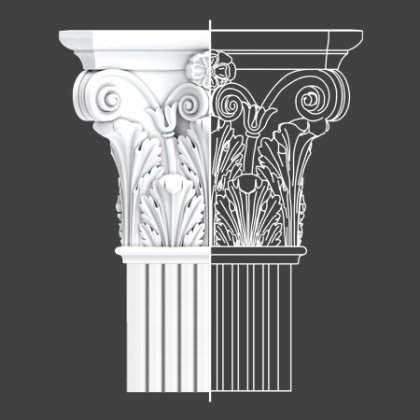
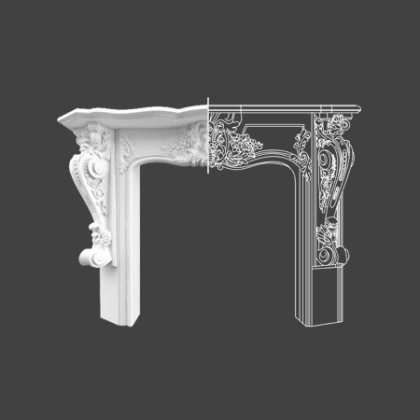
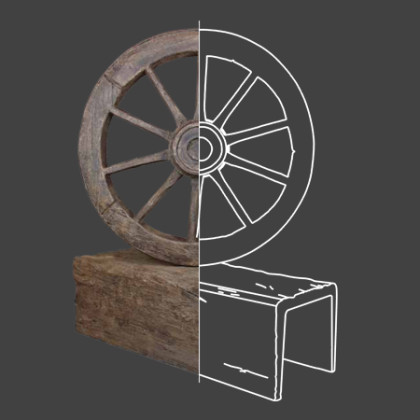
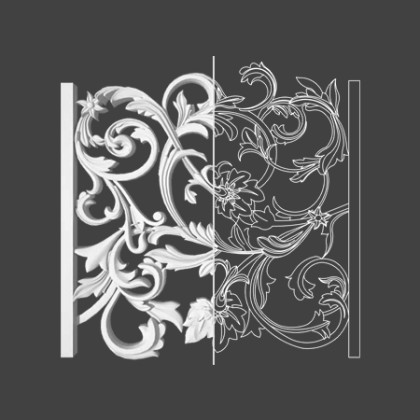
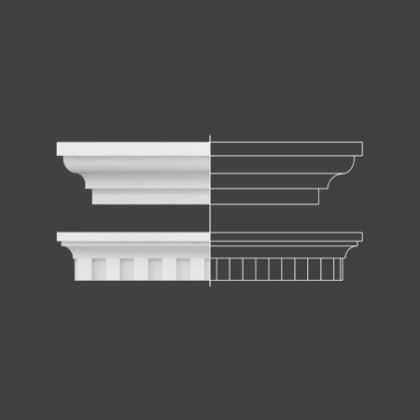
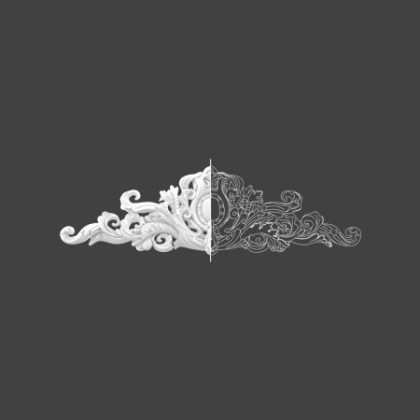
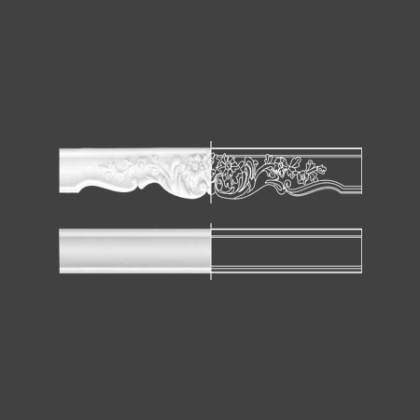
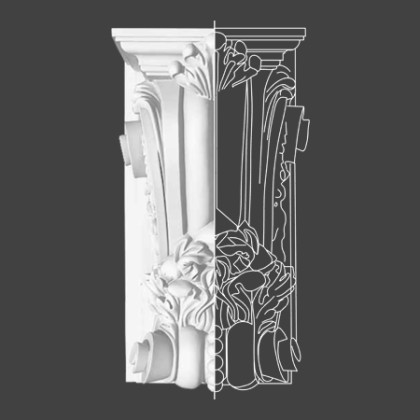
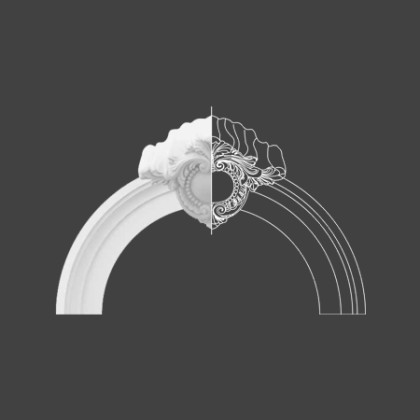
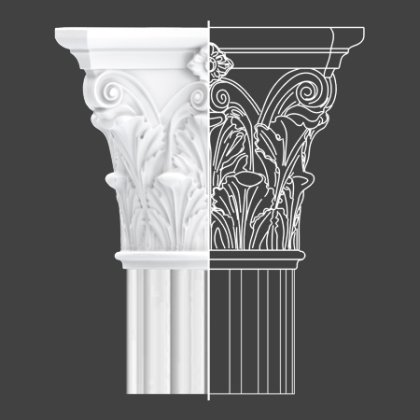
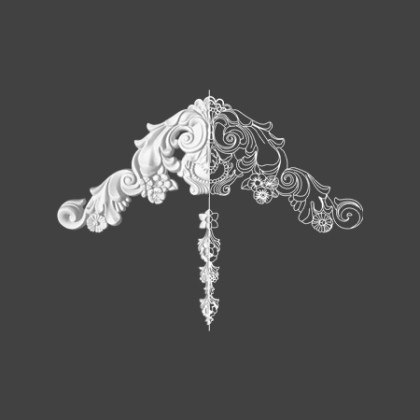
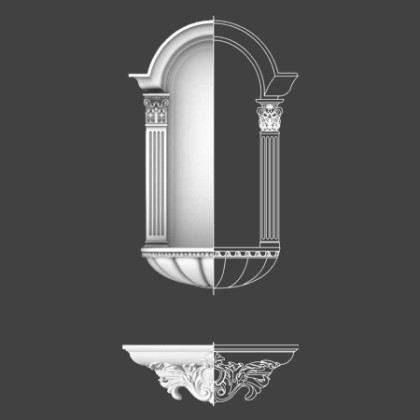
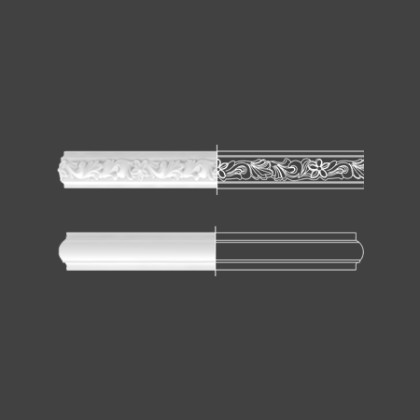
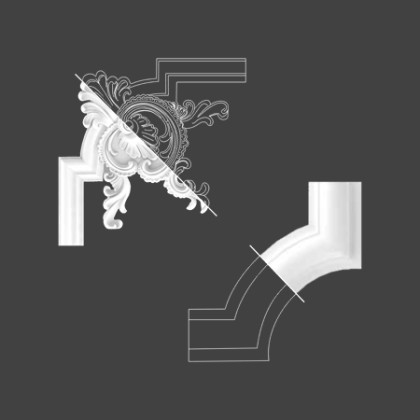
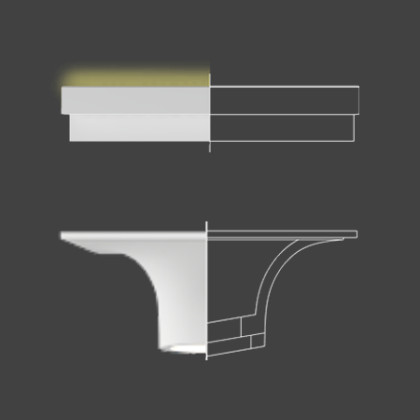
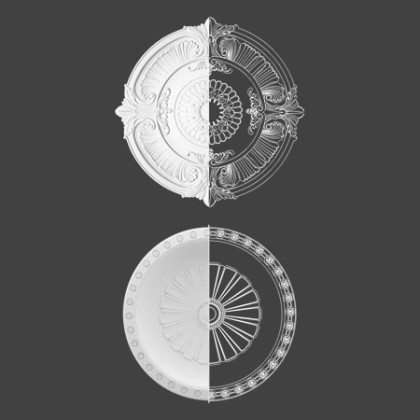
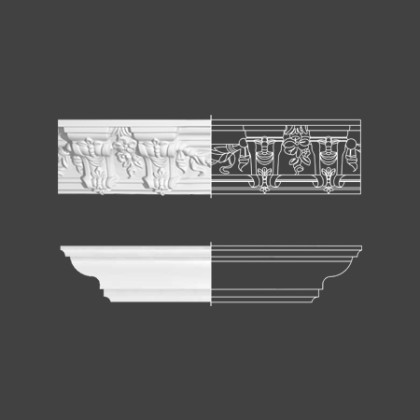
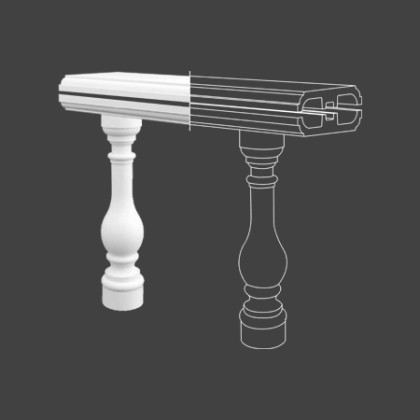
A buttress is an element used in decoration and is often used to provide structural support, create a visual accent, or add an aesthetic detail.
Buttresses are usually located next to walls, ceilings, columns or other structural elements.
Information Gallery
List of detailed descriptions of images in the image gallery.
