 ENGLISH
 ITALIAN
 GERMAN
 GREEK
GREEK FRENCH
 SPANISH
 PORTUGUESE
 POLISH
 DUTCH
DUTCH ALBANIAN
 SERBIAN

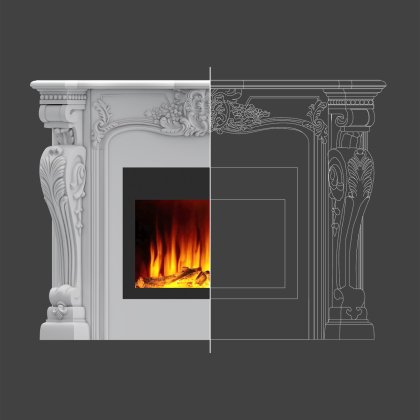
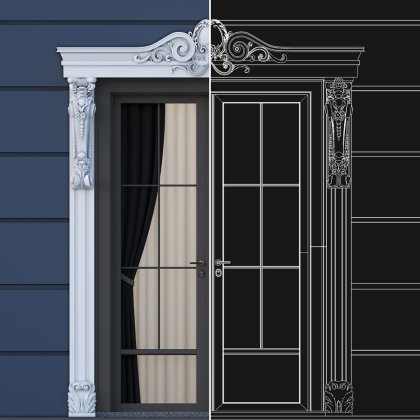
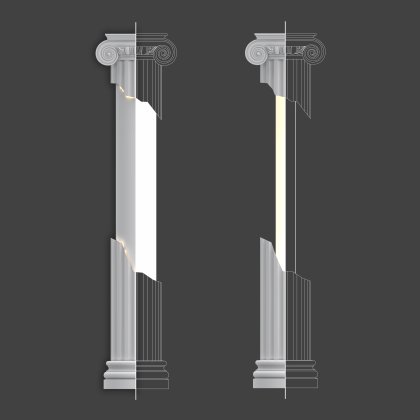
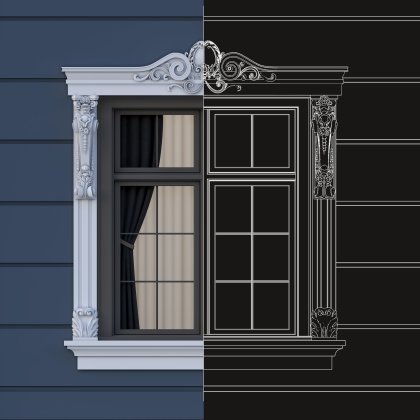

Where Can Polyurethane Be Used?
Polyurethane is a highly adaptable material that has been increasingly chosen for decoration and architectural projects. It combines the aesthetic of wood with the durability of a synthetic alternative. A short story often told among designers highlights how a historic villa restored with polyurethane decorations retained its elegance while gaining resilience against moisture.
From interior embellishments to exterior facades, polyurethane proves effective across many applications. It is resistant to water and can be applied in villas, hotels, mansions, palaces, and wedding halls with ease. Lightweight yet close to wood hardness, it represents a perfect balance between strength and manageability.
- Practical installation process
- Enhanced durability
- Customizable designs suitable for diverse projects
Architectural and Design Applications
Polyurethane is widely used in architectural design due to its versatile structure and ability to adapt to different project needs. It allows ornamentation and structural details to combine elegance with durability. Professionals value the material for its ability to create both traditional and modern design elements.
- 2D and 3D archive
- 3D scanning
- 3D printer
- CNC
- High-pressure injection
- Paid exploration and survey
- Paid 2D and 3D drawings
- Special production on request
- Polyurethane mold manufacturing
Decoration Ideas with Polyurethane
Homeowners and designers often seek ways to blend beauty with functionality. One designer once mentioned how installing a polyurethane ceiling ornament transformed a simple living space into a visually stunning series of rooms. This material allows for rich expression while retaining practicality.
With lightweight structures and durability, the possibilities for creative interior environments are immense. From columns to ceiling roses and wall frames, polyurethane opens up new horizons in decoration ideas.
Historical Background of Polyurethane
Polyurethane was first developed in the 20th century as an alternative to natural materials. Over time, it found usage not only in industry but also in design and architecture. An anecdote highlights how early decorators were impressed with its resistance to moisture compared to wood, making it a turning point in construction practices.
Today, it stands as a bridge between historical design elements and modern expectations.
Main Usage Areas
Polyurethane has a wide range of applications, both indoors and outdoors. It can be used in facilities like villas, hotels, palaces, wedding halls and many more. Its versatility comes from its balance of hardness and resilience.
- Facade claddings resistant to external factors
- Ceiling and wall decorations
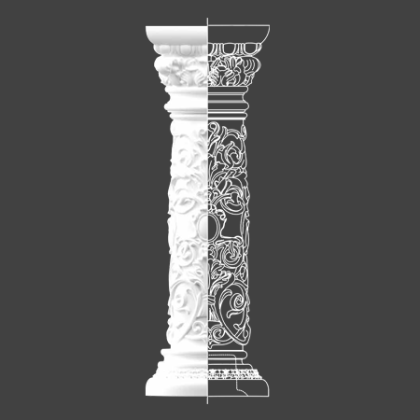
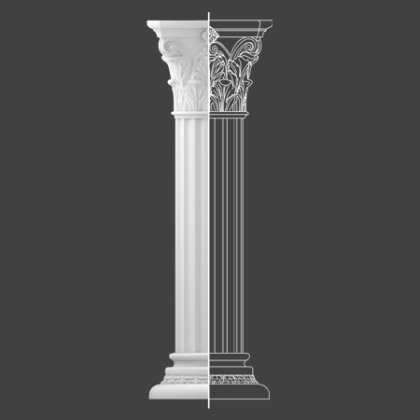
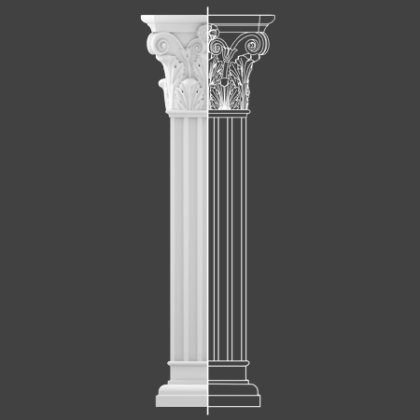
- Columns, pilasters, and arches
- Mirror and door frames
Main Properties
Polyurethane is known for its unique attributes that lend strength and flexibility to design applications. It stands apart due to properties that make it both practical and aesthetic.
- Water resistance and resistance to humidity
- Close to wood hardness
- Lightweight but durable
- Paintable with different finishes
- Easy to shape and install
Comparison with Alternative Materials
When compared to gypsum, polyurethane has superior resistance to moisture and weathering. Gypsum is more fragile outdoors, while polyurethane lasts longer.
Against EPS (styrofoam), polyurethane offers a sturdier feel with better detailing abilities. EPS is lightweight but less durable.
When compared to duropolimer, polyurethane is more flexible in design applications despite duropolimer’s strength.
Precast concrete delivers high durability but is much heavier and harder to modify. Polyurethane balances strength with lightweight properties.
Fiber polyester provides strong alternatives but can be more expensive in some contexts. Polyurethane stands out as an affordable and versatile solution.
Analysis of Prices
Overall, polyurethane offers a good price/performance ratio compared to many materials. Its longevity, combined with flexible design applications, makes it a sustainable investment in decorative projects.
Polyurethane is a material frequently chosen for both interior and exterior architecture due to its durability and aesthetic qualities. It carries the feel of wood while resisting moisture and water damage. Designers often appreciate how easy it is to shape, paint, and install, especially in luxury settings like hotels and palaces. Many projects rely on polyurethane for ceiling ornaments, wall decorations, and facade elements. Its balance of strength and lightweight character makes usage practical in restoration and modern builds alike. When compared to gypsum and EPS, polyurethane shows higher resilience and design flexibility. Against precast concrete and fiber polyester, it provides a simpler and more adaptable alternative. The material has a fascinating historical background as it transformed construction methods in the 20th century. Today it continues to redefine decoration ideas with creative opportunities. Its versatility secures its place in architecture and design. With a favorable balance between quality and prices, polyurethane remains one of the most reliable decorative materials available.
Where Can Polyurethane Be Used?
Where Can Polyurethane Be Used? Polyurethane is a versatile material widely preferred in decoration and architectural applications for both interior and exterior spaces. It offers high resistance to water and moisture, is lightweight yet durable, and can be painted in different colors to adapt to various design concepts. In comparison to materials like wood, gypsum, and EPS, polyurethane provides a wooden-like hardness while being more resistant to external conditions. This makes it a popular choice in villas, hotels, mansions, palaces, and wedding halls. Its durability, ease of shaping, and ability to create aesthetic and functional details make polyurethane a multifunctional solution for modern construction and decoration projects.
polyurethane usage areas, where can polyurethane be used, polyurethane decoration, polyurethane features, polyurethane vs gypsum, polyurethane vs eps, polyurethane vs precast, polyurethane vs fiber, polyurethane in architecture, polyurethane in interior design, polyurethane in exterior design, polyurethane ornaments, polyurethane columns, polyurethane ceiling roses, polyurethane wall frames
