 ENGLISH
 ITALIAN
 GERMAN
 GREEK
GREEK FRENCH
 SPANISH
 PORTUGUESE
 POLISH
 DUTCH
DUTCH ALBANIAN
 SERBIAN

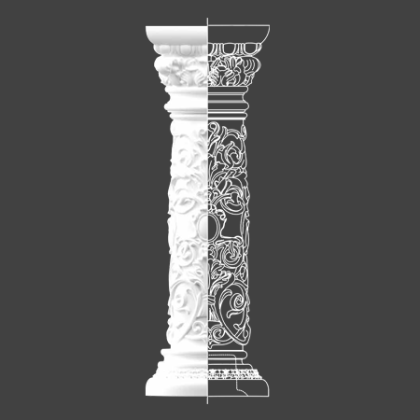
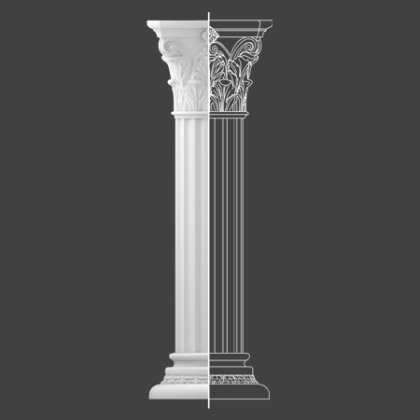
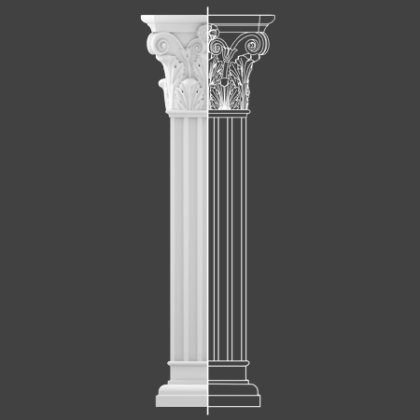

Is polyurethane harmful?
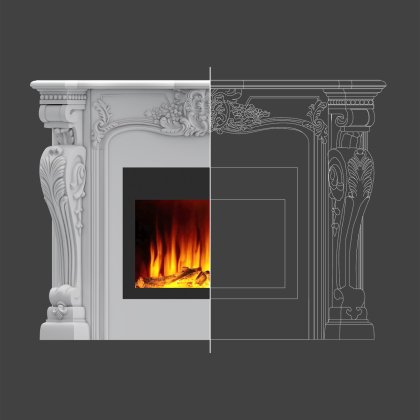
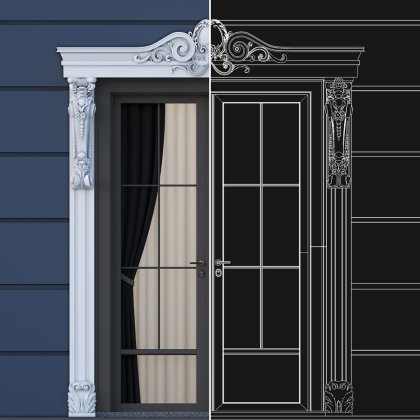
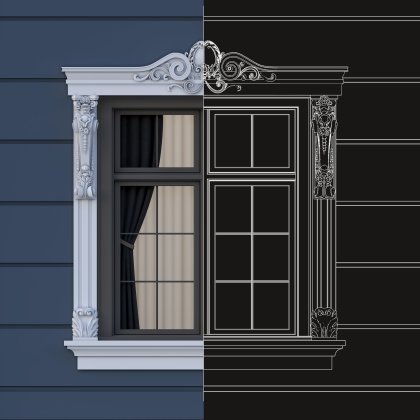
Polyurethane is commonly used in architectural decoration due to its durability, lightweight structure, and ease of application. One anecdote often told by designers highlights how a historic villa was restored without damaging its original details, simply by replacing fragile wooden ornaments with polyurethane ones that preserved the aesthetic while offering better resistance to humidity.
When asking, “Is polyurethane harmful?”, it is important to understand that in its finished decorative form, polyurethane is generally safe. It is comparable to wood in hardness, but lighter and more resistant to water. With proper painting and installation, it becomes both secure and stable in many environments.
- Resistant against moisture
- Reusable for interior and exterior spaces
- Can be painted to match surroundings
- Lightweight, yet sturdy in design
Architectural and Design Applications
Within architectural and design fields, polyurethane provides a professional solution for ornamental details, façades, and interior decorations. It combines precision with efficiency, ensuring that every project outcome is sustainable.
- 2D and 3D archive
- 3D scanning
- 3D printer
- CNC
- High-pressure injection
- Paid discovery and survey
- Paid 2D and 3D drawings afterward
- Custom-made production
- Polyurethane mold manufacturing
This comprehensive approach guarantees consistent and reliable results for significant projects such as villas, palaces, and hotels.
Decoration Ideas
When it comes to decoration, polyurethane fosters creativity. A designer once noted how a wedding hall gained a new identity through the replacement of worn plaster ornaments with light yet strong polyurethane alternatives, ensuring both elegance and practicality.
Polyurethane enables creative flexibility for wall panels, ceilings, and columns. Whether for classical motifs or modern minimalism, it supports a wide range of design ideas while maintaining safety and longevity.
History of Polyurethane
Polyurethane was first developed in the mid-20th century as a synthetic substitute for more expensive materials like wood and metals. Over time, its use expanded from industrial products into construction and decoration.
An anecdote from the early years recalls how innovation in architectural restoration projects in Europe relied on polyurethane for preserving historic façades while protecting them against moisture and decay. Its evolution into decorative applications demonstrates both versatility and resilience.
Usage Areas
Polyurethane is adaptable for both exterior and interior decoration. It can be used in modern apartments as well as historical mansions or grand palaces. Its durability makes it suitable for diverse projects where functional and visual harmony is required.
- Hotels and villas
- Palaces and mansions
- Wedding halls and restaurants
- Exterior façades and garden designs
Such wide applications demonstrate the functional value of polyurethane products.
Main Features
Polyurethane combines aesthetics with functionality, ensuring both visual appeal and physical resilience. Its properties allow flexibility in construction, décor, and renovation.
- Wood-like hardness with lightweight form
- High resistance to water and moisture
- Can be painted in all colors
- Durable against external impact
- Applicable in both interior and exterior environments
This set of practical qualities makes polyurethane stand out as a reliable material.
Comparison with Other Materials and Prices
When compared to plaster, polyurethane is much lighter and more resistant to cracking. Unlike EPS (styrofoam), it provides a stronger and more authentic aesthetic. Against duropolymer, it offers more intricate design flexibility. In comparison with precast concrete, it is lighter and easier to install. Fiber polyester may be durable, but polyurethane surpasses it in terms of finishing quality and detail sharpness.
- Plaster: elegant but fragile, limited in exterior use
- EPS (styrofoam): cost-effective but less durable
- Duropolymer: strong, but less adaptable in fine details
- Precast concrete: highly durable but heavy and labor-intensive
- Fiber polyester: weather-resistant but less refined in texture
From a general price/performance standpoint, polyurethane offers a sustainable balance by being lightweight yet dependable and cost-competitive, particularly for both small-scale and grand projects.
Polyurethane has gained prominence for its safe and efficient decorative applications. Addressing the question, “Is polyurethane harmful?”, it is generally safe in its finished form, suitable for both interiors and exteriors. It combines moisture resistance and lightweight construction with wood-like durability. In architecture, polyurethane supports detailed restoration without compromising historical authenticity. Decorative designers value its color adaptability and application in hotels, villas, or wedding halls. From practical perspectives, it outperforms fragile plaster and lightweight EPS. It also remains easier to handle than precast concrete and provides finer detail than fiber polyester. Its acceptance in both modern and traditional projects reflects reliability. Once the curing process is complete and coated, polyurethane maintains long-term stability. For professionals, it balances function, design flexibility, and safety.
Is polyurethane harmful?
Is polyurethane harmful? Polyurethane is a versatile material widely used in both interior and exterior decoration. While it is often perceived only as a synthetic product, it is actually engineered to provide durability, lightness, and long-lasting performance. In architectural decoration, polyurethane elements are celebrated for combining wood-like hardness with resistance to moisture and water. They are safe to use in homes, hotels, villas, palaces, wedding halls, and many other buildings when installed and painted properly. Once cured and coated, polyurethane does not release harmful emissions under normal conditions of use. Concerns typically arise only during the production or burning stages, where protective measures are required. For everyday architectural and decorative use, polyurethane offers a sustainable solution that balances functionality, design flexibility, and safety.
is polyurethane harmful, polyurethane decoration, polyurethane features, polyurethane architecture, polyurethane comparison, polyurethane history, polyurethane properties, polyurethane usage, polyurethane durability, polyurethane interior design, polyurethane exterior design, polyurethane safety, polyurethane advantages, polyurethane performance, polyurethane solutions
