 ENGLISH
 ITALIAN
 GERMAN
 GREEK
GREEK FRENCH
 SPANISH
 PORTUGUESE
 POLISH
 DUTCH
DUTCH ALBANIAN
 SERBIAN









You might also want to




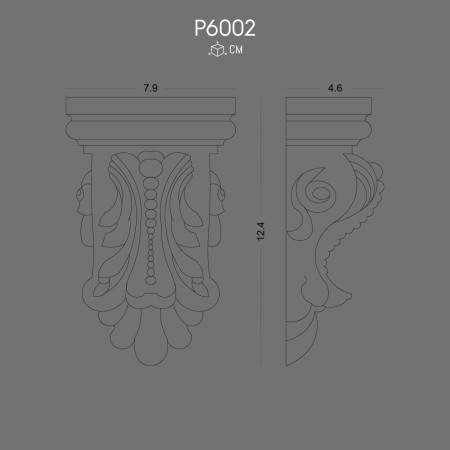


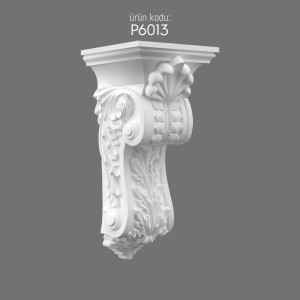
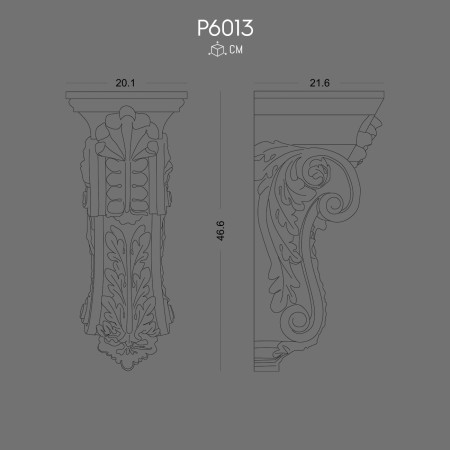
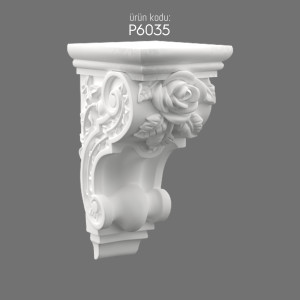


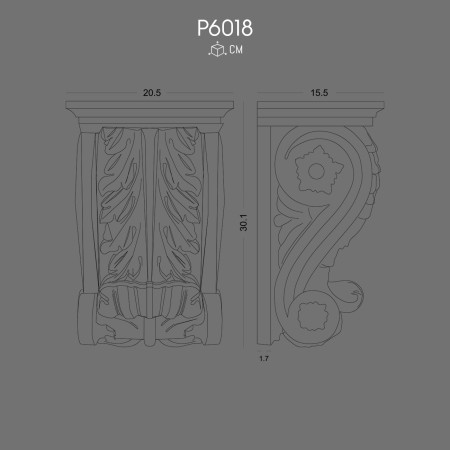


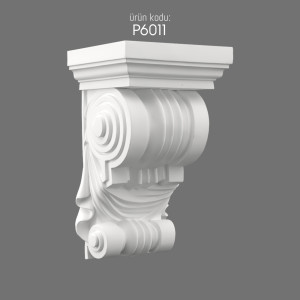
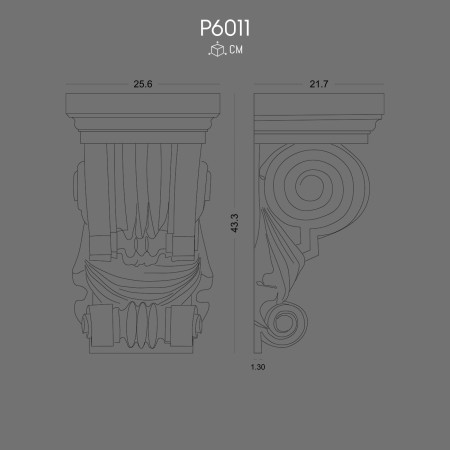


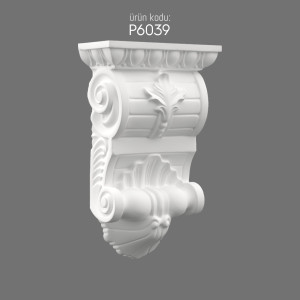
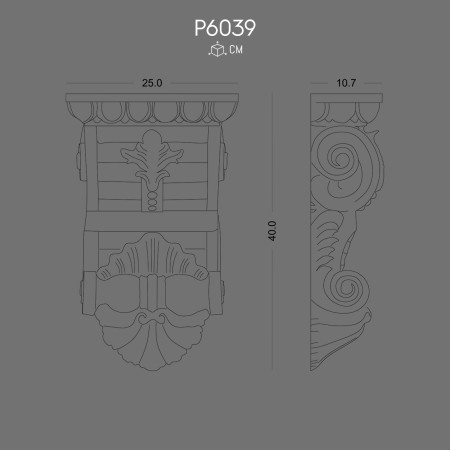
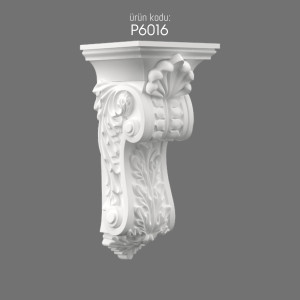
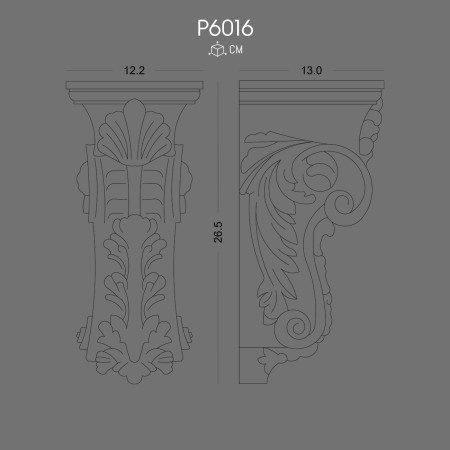


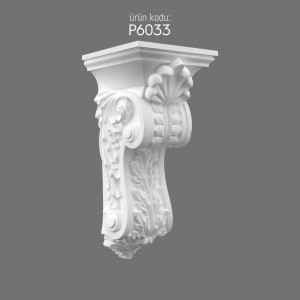
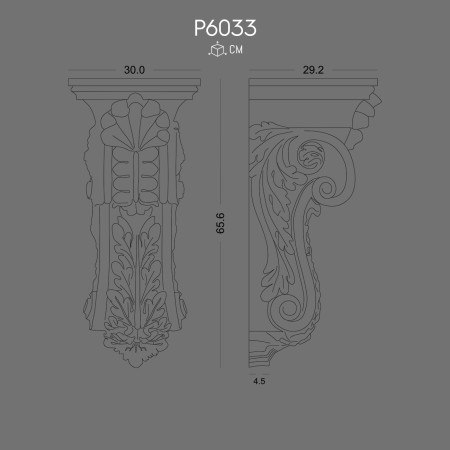


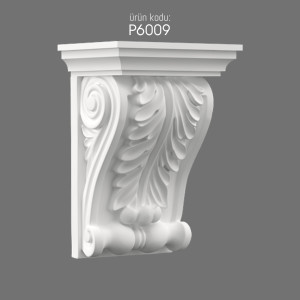
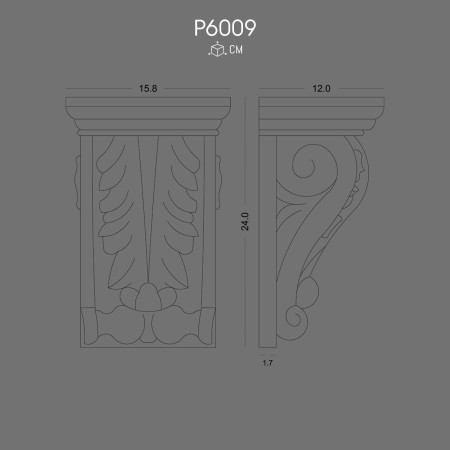
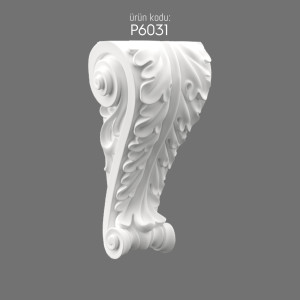


P9925 Product Used Image Gallery
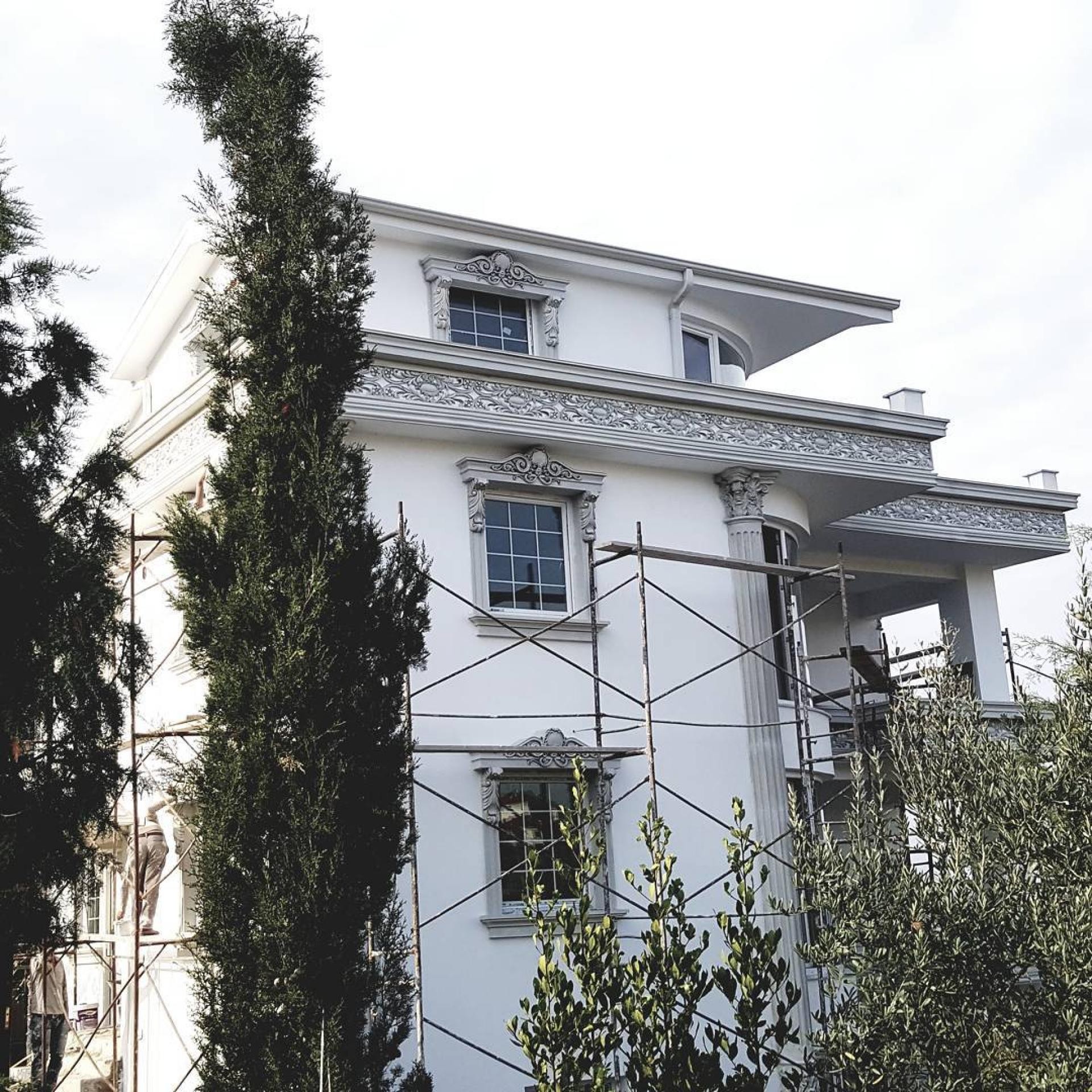
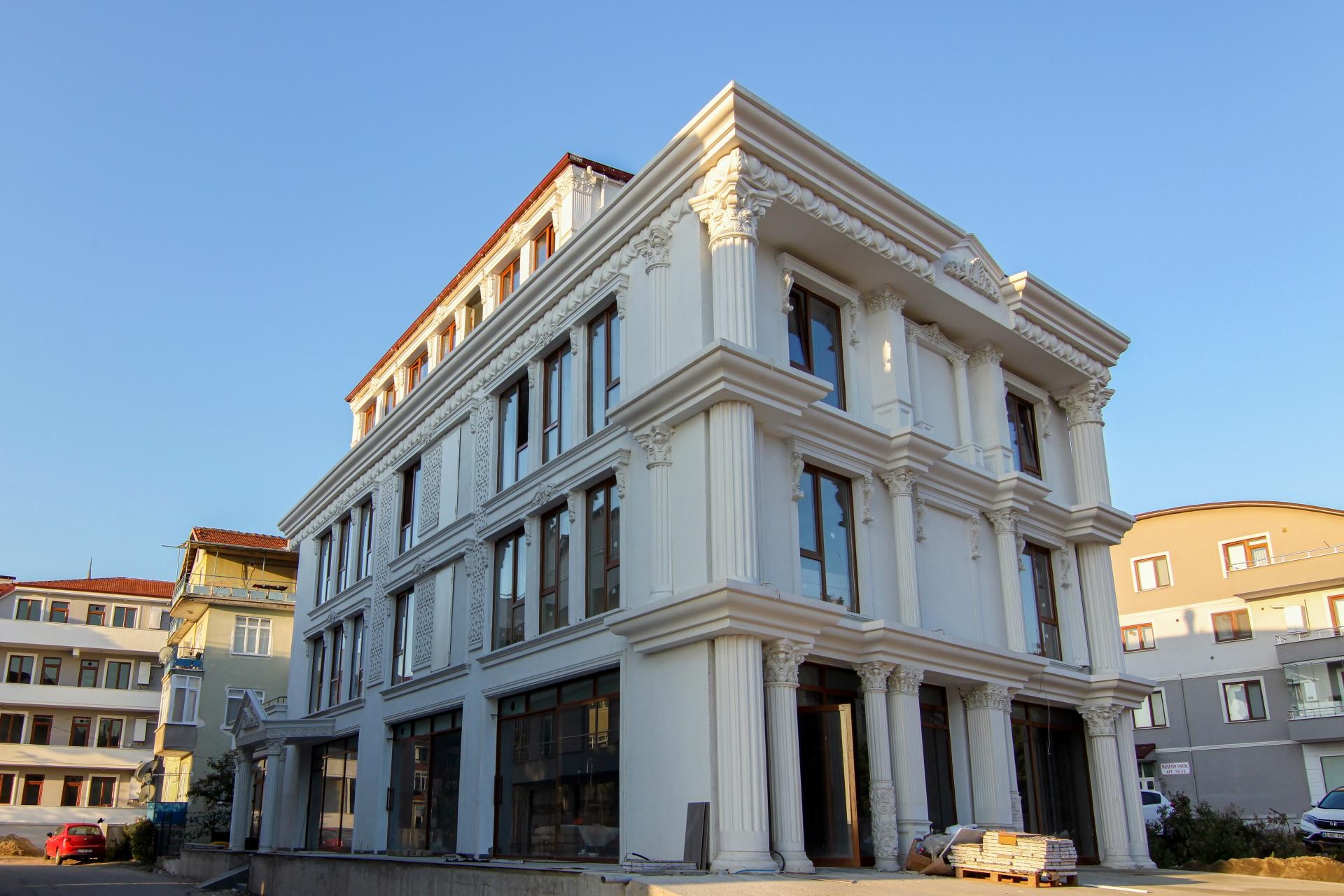
Polyurethane Classical Facade with Ornamental Details for Hotel Design
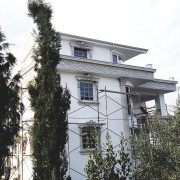
Classical Elegance with Polyurethane Details The hotel facade employs polyurethane elements that add a refined classical identity to the structure. These details are applied to arches, cornices, and balcony edges, strengthening both durability and visual impact. The meticulous reliefs emphasize symmetry and create a sense of continuity across the elevation. Decorative motifs showcase ornamental patterns inspired by classical architecture, featuring floral curves and geometric rhythm. Framed windows, highlighted with molded borders, enhance the vertical perception of the building. The soft ivory tone of the facade reinforces freshness while reflecting natural light for a welcoming atmosphere. Historical Influences The use of columns and capitals recalls the enduring principles of Greco-Roman design, where proportion and balance were celebrated. The Corinthian-inspired column details and arched balconies echo the rich tradition of decorative facades seen in historic palaces. Design Integration The balconies use wrought-iron-like balustrades that add both safety and artistic value. Patterns of curling leaves and repetitive floral symmetries create a continuous flow from one level to another. This interplay of light, shadow, and relief transforms the hotel into a landmark of classical inspiration blended with 21st-century construction methods. Polyurethane material ensures durability and lightweight installation. Symmetry emphasizes refined order and harmony. Ornamental patterns with floral and geometric relief enrich depth. Freshness provided by the light palette enhances openness. This facade design for a hotel combines classical ornament with modern practicality. The use of polyurethane ensures that elaborate details remain lightweight yet durable. Decorative columns and arches create rhythm and visual interest. The designers embraced ornamental patterns to enrich the surfaces with depth. Balconies wrapped with sculpted motifs reinforce openness. The light tones establish a feeling of freshness that connects with natural light. Historical references to Greco-Roman proportions underline timeless elegance. The layering of reliefs contributes complexity without overwhelming the form. Wrought-like railings offer both safety and style. Carefully placed cornices define the facade’s vertical accents. Geometric balance ensures overall harmony from base to roof. Repetition of reliefs points to consistent design language. Botanical curves enrich the otherwise straight geometry. The architectural hierarchy highlights grandeur through scale. This union of symmetry and craftsmanship results in a hotel exterior of distinctive prestige.
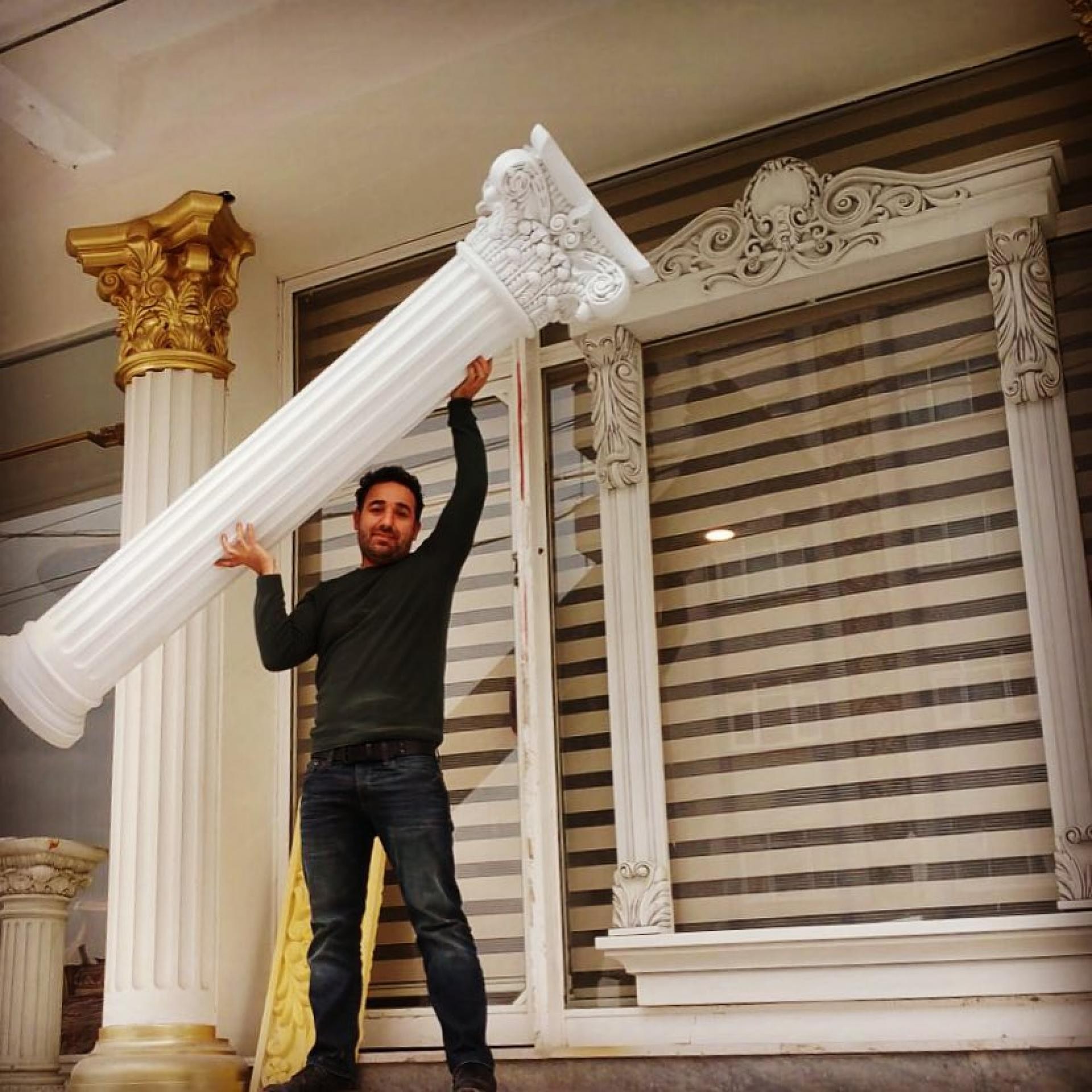
Polyurethane Exterior Moulding Models with Classical Decorative Motifs
Classical Exterior Elegance with Polyurethane MouldingsThe use of polyurethane in exterior decoration allows for a versatile application of classical motifs, making it possible to achieve a refined appearance with minimal effort. In this example, fluted columns are crowned with richly detailed capitals highlighted with gold, recalling ancient architectural traditions of Corinthian inspiration. The surrounding mouldings, with scrolling frameworks and elaborate frames, enrich the surfaces with visual rhythm.A striking element is the decorative panel filled with swirling floral patterns. The arabesque-like motifs intertwine, creating a dynamic composition that resembles delicate ironwork yet remains lightweight thanks to polyurethane. This design ensures durability while avoiding the heaviness of traditional stone or metal carving.Above the windows, intricately framed cornices with ornamental reliefs provide a harmonious transition between structural and decorative elements. Each detail balances function with artistry, reinforcing the classical influence while serving practical purposes of weather protection and framing.Historically, such fluted columns and scrolling ornamentation trace their lineage back to Greco-Roman styles, where decoration symbolized order and refinement. Today, polyurethane offers an efficient and modern way to revive these timeless aesthetics in residential and commercial projects.Among the benefits of polyurethane mouldings is the ease of installation, resistance to outdoor conditions, and the potential for painting and custom finishing. This makes them an accessible way to achieve architectural elegance with fine detail and long-lasting appeal.Lightweight material for faster installationDetailed decorative panels with floral and scroll motifsDurable against weather conditionsAbility to incorporate gold or painted finishes Polyurethane exterior moulding models bring a sense of sophistication to facades. The materials are lightweight yet durable, making installation straightforward. Classical columns with gilded capitals provide architectural grandeur. The swirling arabesque patterns create dynamic shadows and visual depth. Ornamental frames around windows emphasize balance and refinement. Polyurethane replicates historic detail without excess weight. Intricate reliefs can be customized with different finishes. The material withstands environmental conditions while retaining form. Classical inspiration originates from Greco-Roman traditions of order. Modern use blends heritage with practicality. Decorative panels with floral motifs achieve lace-like elegance. Gold accents highlight focal points with subtle luxury. Architectural symmetry is enhanced by moulded cornices. This combination connects tradition with modern efficiency. Ultimately, polyurethane provides ornamental refinement, floral patterns, classical motifs, and architectural elegance in one solution.
Elegant Classical Detached Exterior with Polyurethane Architectural Details
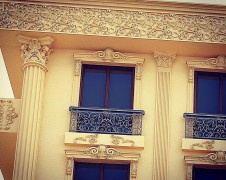
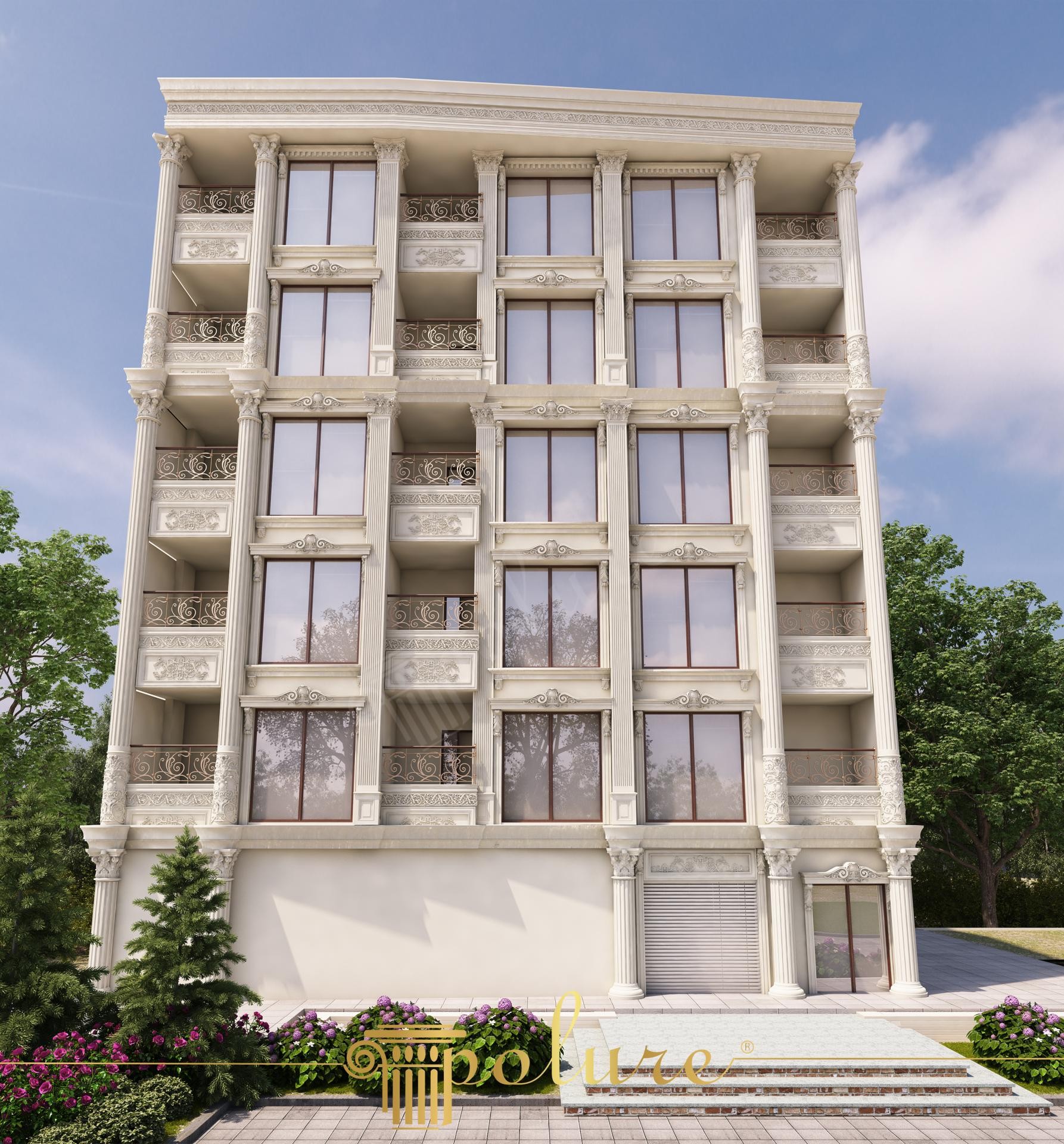
Classical Polyurethane Exterior DesignThe facade demonstrates the elegance of classical architecture through finely proportioned columns, ornamental balcony railings, and detailed polyurethane panels. Each level maintains a rhythmic harmony, marked by vertical lines created by the evenly spaced columns and horizontal flow shaped by decorated moldings.The balconies include intricate ironwork patterns with floral and curvilinear motifs that complement the relief of polyurethane panels. The panels highlight symmetrical geometric design by blending rectangular frames with scroll-inspired flourishes, producing both repetition and contrast.Historically, such decorative principles are rooted in Greco-Roman architecture, where columns and cornices symbolized strength and beauty. In this contemporary project, similar motifs are reimagined through polyurethane material, offering durability, lightweight handling, and resistance to weathering.Details and OrnamentationThe upper cornices carry detailed friezes of leaf-like and arabesque compositions, while the column capitals present subtle Corinthian-inspired shapes. The balconies’ railings emphasize ornamentation through delicate symmetrical designs that echo the continuity of classical decorative language.Color choice also contributes to the effect: a cream-white surface highlights shadows in the carvings, emphasizing depth and relief richness. The composition relies heavily on symmetry, ensuring that each decorative element supports the whole structure’s balanced appearance.The project represents a fusion of traditional aesthetics with modern practicality, bringing lasting elegance to urban environments through sophisticated facade design. The design of this building emphasizes the timeless appeal of classical architecture. The facade introduces vertical dominance through tall columns and balanced window arrangements. Each balcony is enhanced by ornate ironwork and reliefs. Careful use of polyurethane material makes the details durable while remaining lightweight. The cream-white surfaces highlight depth and relief carving. Traditional motifs such as floral scrolls and arabesque bands enrich the visual rhythm. Capitals display delicate classical references without overpowering the harmony. The geometry balances rectangular frames with organic curves. This approach reflects an ongoing dialogue between past and present. The extensive ornamentation creates a luxurious impression. Symmetry defines the entire facade, reinforcing elegance. Each detail contributes to the overall facade design. Weather resistance ensures long-term value. Modern construction benefits from traditional beauty. Sophistication is achieved through balance and craft. The result is a model for elegant exterior design today.
Polyurethane Column Capitals with Classical Motifs for Elegant Interiors
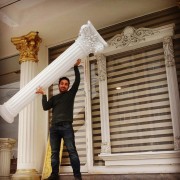
Classical Inspiration in Modern MaterialsPolyurethane column capitals draw inspiration from ancient Greek and Roman architecture, where fluted columns and decorative capitals defined the aesthetic of temples and grand halls. Today, these elements have been reimagined in lightweight polyurethane, which preserves the intricate detail while making installation far more efficient.Design Features and MotifsThe capitals often display Corinthian influences, such as sculpted acanthus leaves and spiraling volutes. Other models echo Ionic stylings, with finely curved scrolls that add refinement to any setting. The shafts of these columns are typically ribbed or fluted, enhancing their vertical elegance. Decorative patterns are precise, showing symmetrical foliage, layered scrolls, and fine geometric detailing.Some designs incorporate gold-painted highlights on details like leaf tips or fluted bases, providing a striking contrast against the pristine white body. These accents help create a distinguished and regal appearance without overwhelming the overall composition.Practical Applications in DecorationPolyurethane columns are a versatile choice in both residential and commercial spaces. Indoors, they frame entrances, fireplaces, or large windows with an air of classical sophistication. Outdoors, they add structure and beauty to facades, patios, and verandas. Coordinating them with ornate cornices and molded window frames creates a unified classical style in the overall architectural scheme.Historical NoteHistorically, fluted columns and elaborate capitals symbolized grandeur and order in ancient civilizations. By using modern materials, homeowners and designers are able to achieve a nod to this tradition while enjoying resilience and easy handling in contemporary construction. Polyurethane column capitals provide a refined way to incorporate classical design into modern spaces. These decorative elements often feature Corinthian and Ionic motifs such as acanthus leaves and volutes. Their use of lightweight polyurethane material makes installation practical while preserving delicate patterns. Fluted shafts emphasize verticality and add elegance to both interior and exterior settings. Gold accenting enhances the ornamental richness of the capitals. The motifs merge well with window moldings and decorative trims for a consistent classical look. Indoors, they elevate living rooms, halls, and entrances with architectural character. Outdoors, they frame porches and facades with timeless appeal. Polyurethane durability ensures resistance to moisture and wear compared to heavier stone models. Designers favor these pieces for achieving classical effects without structural challenges. They are easily paired with stucco, plaster, and wood for cohesive styling. Their ribbed geometry and symmetrical carvings create a rhythmic sense of order. Incorporating them adds regal ambiance without overwhelming a space. They maintain crisp detail even after long-term exposure to weather. The capitals represent a balance between ancient inspiration and modern craftsmanship. Their decorative use reconnects contemporary structures with enduring historical beauty.
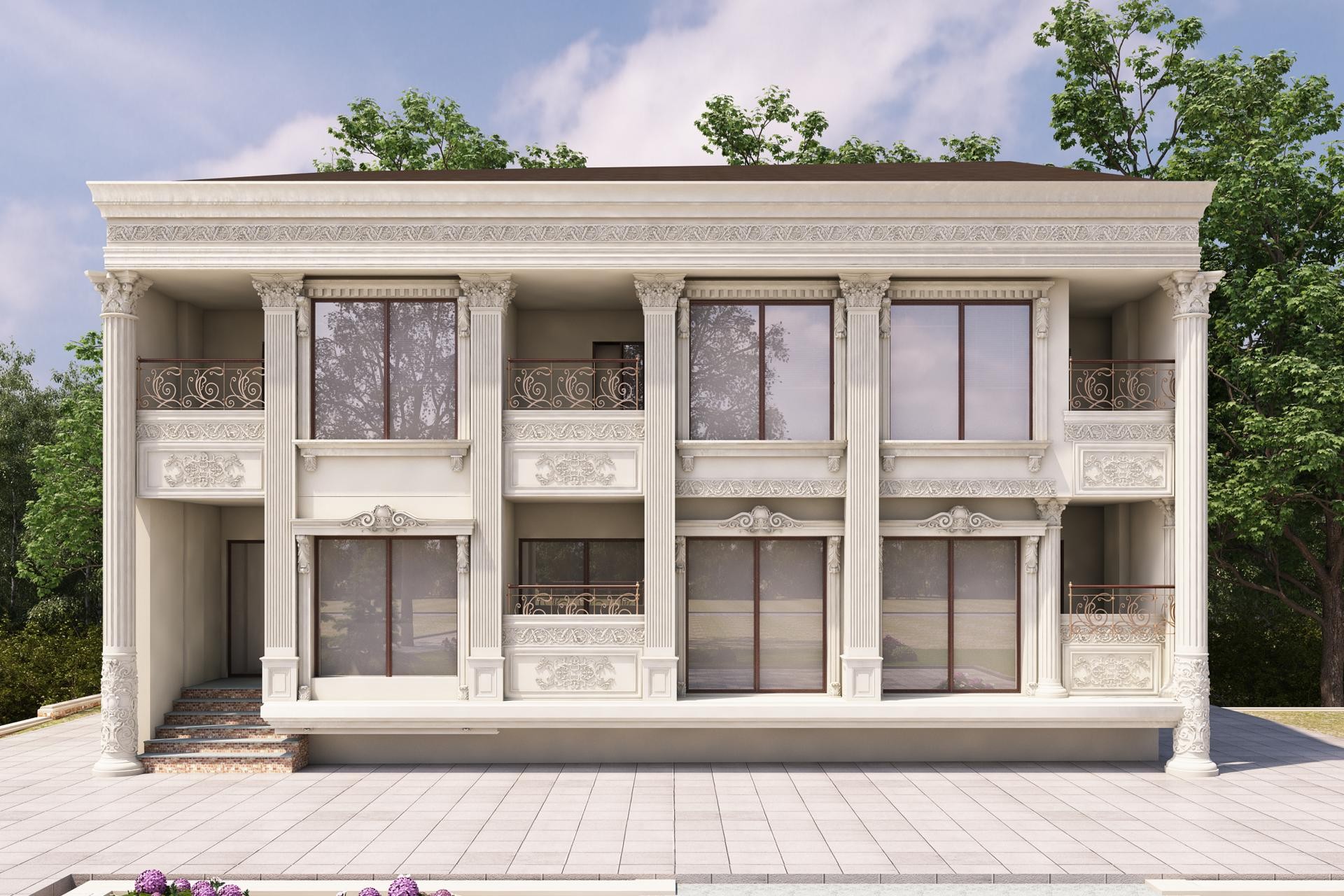
Classical Villa Facade Design with Polyurethane Details
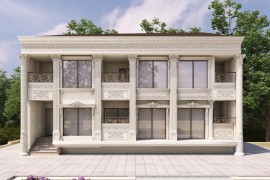
Polyurethane Details in Classical Facade DesignThe facade reflects a meticulous approach to classical architecture, where balance, proportion, and symmetry set the tone. Vertical Corinthian-style columns with fluted shafts and elaborate capitals divide the structure into defined segments, reinforcing the impression of grandeur. These polyurethane elements combine beauty with practicality by providing resistance to weather while reducing construction weight.The recessed balconies carry ornamental railings with swirling scroll patterns, decorated with floral reliefs. These ornamental motifs enrich the otherwise linear geometry, establishing harmony between decoration and order. Bas-relief panels beneath balconies present artistic detail, emphasizing a sense of tradition and refinement.Historical Inspirations and Decorative GeometryInfluenced by ancient Roman and Greek precedents, the use of fluted columns and classical capitals roots the design in architectural history. The structured repetition of vertical and horizontal elements mirrors classical rigor, while the polyurethane medium allows intricate decorative panels to be replicated consistently.The pale cream facade highlights shadows and depth, making the architectural details more vibrant under natural light. Each geometric frame surrounding the windows is emphasized with miniature pediments and moldings, subtly referencing Renaissance villa traditions.Symmetry reflecting classical orderDurable polyurethane detailingFloral and scroll decorative reliefsFluted Corinthian-style columnsThis blend of classical vocabulary and modern construction methods creates a timeless facade for a contemporary villa, merging history with innovation. This classical villa facade with polyurethane details stands as a refined example of timeless design. Corinthian-style columns bring vertical grandeur to the composition. Elegant balcony railings showcase delicate scroll motifs. Ornamental bas-reliefs add intricate depth under window frames. The light cream surface enhances the sculptural lines. Symmetry organizes every architectural element with precision. Polyurethane technology provides durability in exterior detailing. The facade reflects a blend of tradition and innovation. Each geometric frame outlines wide glass openings with harmony. Pediments and moldings reinforce classical references. Historical echoes of Greek and Roman design appear clearly. The villa conveys strength through order and balance. Rich patterns create an atmosphere of artistry and elegance. Subtle floral decorations soften the imposing geometry. This design unites modern resilience with classical architecture.
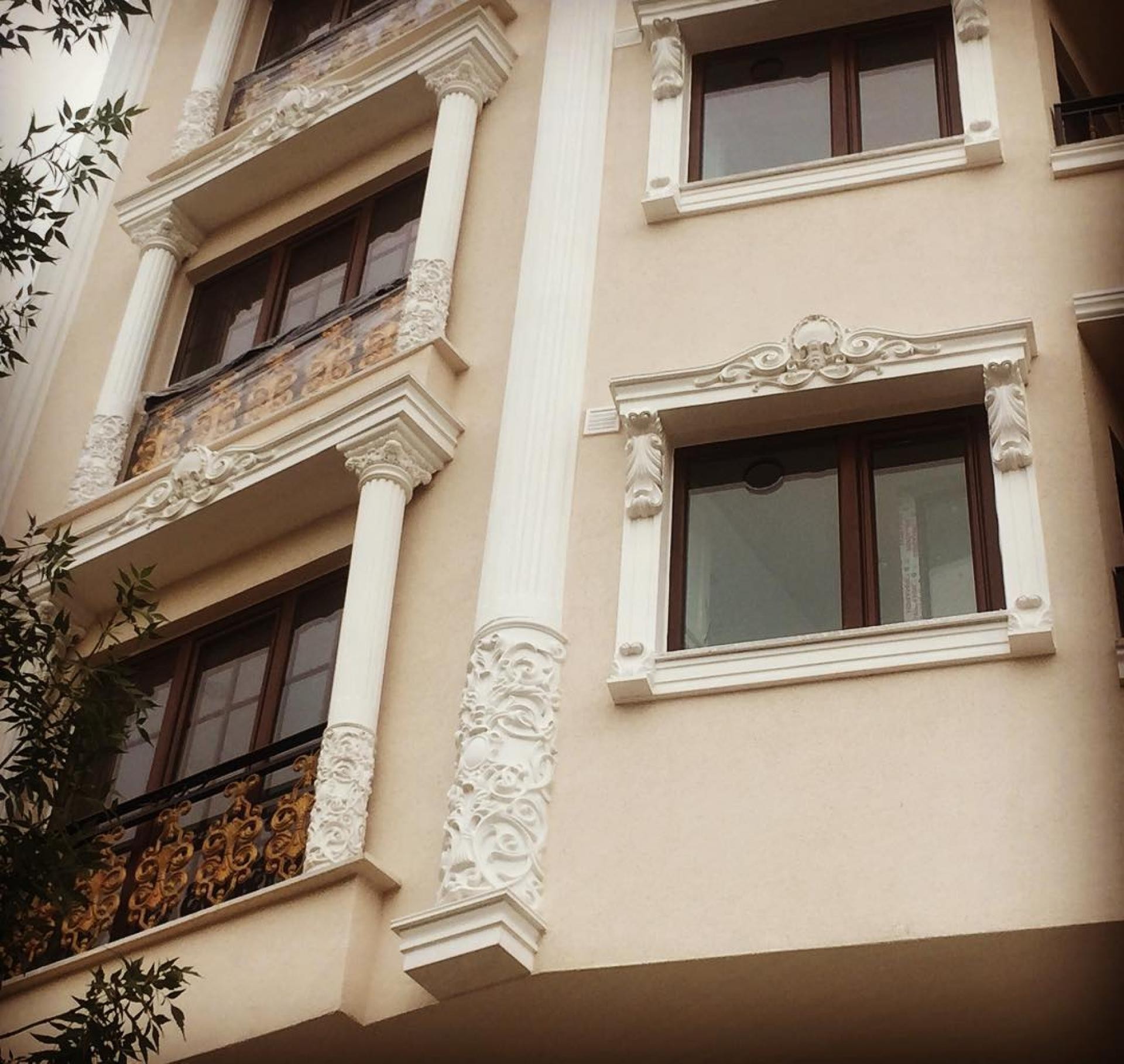
Polyurethane Facade with Classic Hotel Style and Ornamental Diversity
Elegance of Polyurethane Exterior DesignThe use of polyurethane in exterior decoration introduces both durability and adaptability, providing a classical aesthetic that reflects the grandeur of historic hotel facades. The cream-toned wall surface serves as a subdued backdrop, emphasizing the crisp white details of the ornate moldings.The windows are framed with ornamental scrollwork, enriched by volute-like curves and floral intricacies reminiscent of Renaissance revival influences. Balconies are enhanced with wrought iron painted in gold, showcasing detailed motifs that evoke opulence and traditional craftmanship.Architectural Detailing and Historical TouchesSlender columns with Corinthian-inspired capitals and elaborate base carvings bring vertical rhythm to the facade. These decorative columns are not purely structural but also act as key aesthetic anchors. Historically, such classical detailing finds roots in Greco-Roman architecture where proportion and ornament defined prestige and harmony.The facade demonstrates repetition and balance: symmetrical placement of windows, ornate surrounds, and carefully sculpted cornices create a consistent architectural language. Together, these elements form a composition that enhances visual diversity and classical identity.Design Harmony and InspirationThe combination of polyurethane elements with muted surfaces illustrates how modern materials reinterpret centuries-old styles. Designers and homeowners can draw inspiration from its ornamental columns, fine relief carvings, and decorative scrolls, which transform ordinary structures into elegant landmarks. By uniting artistic geometry with functional exterior solutions, this model provides a versatile guide for contemporary classical facade applications. This polyurethane facade design reflects classical hotel charm. The cream walls support intricate details. White framing molds emphasize geometry. Balconies feature golden wrought iron. The decorative columns add rhythm. Carved floral patterns enrich surfaces. Ornamental scrolls adorn window tops. The balance is both elegant and durable. Historical references are evident. The polyurethane material guarantees longevity. Decorative cornices frame levels. Repeated structures create uniformity. Golden motifs highlight opulence. Sculpted reliefs enhance interest. This composition inspires versatile classical applications.
Polyurethane Corbels and Classical Interior and Exterior Decoration Designs
Elegance of Polyurethane Corbels in Classical DesignPolyurethane corbels embody a fusion of artistry and practicality, echoing the grandeur of historic classical interiors and exteriors. Their intricate carvings draw inspiration from motifs like acanthus leaves, spiral scrolls, and fluted shafts. These structural and decorative elements have been a hallmark of classical architecture, particularly in Doric, Ionic, and Corinthian orders, where symmetry and proportion played a crucial role.The wall installation showcases a variety of richly detailed corbel designs, arranged in radial composition to highlight diversity of form. Deep-carved grooves, swirling volutes, and layered floral ornaments give these elements a sculptural presence. The monochromatic white finish enhances shadow play, emphasizing the texture and dimensionality of each pattern, while recalling the purity of marble-like aesthetics.Historically, corbels were used to project weight outward and transfer loads from ceilings or arches, often ornamented to feature symbolic or decorative significance. Polyurethane versions preserve this symbolic artistry while offering practical benefits like durability, lightweight handling, and resistance to moisture. Their versatile use ranges from supporting shelves and mantels to embellishing columns, archways, and panel moldings.In contemporary interiors, these decorative motifs enrich design narratives by combining classical tradition with modern materials. The geometric rhythms and sculptural details create a dialogue of refinement, making them suitable for both palatial halls and contemporary apartments seeking decorative character. Polyurethane corbels combine authenticity with practicality in classical decoration. They highlight fine ornamentation such as acanthus motifs and scroll patterns. The radial arrangement demonstrates variety and artistry in design. The white palette enhances shadow depth and intricate reliefs. These forms echo Doric, Ionic, and Corinthian traditions. Historically, corbels supported projections and infused symbolic meaning. Modern polyurethane versions ensure durability and lightness. They mimic stone or wood without heavy weight. Such pieces enrich interiors with refined sculptural presence. They allow versatility in contemporary projects. Perfect for hallways, columns, and arches, they elevate style. Their ornamental geometry creates rhythm and dimension. Designers value their subtle but strong decorative effect. The carved surfaces add timeless sophistication. They show how modern materials sustain classical aesthetics.
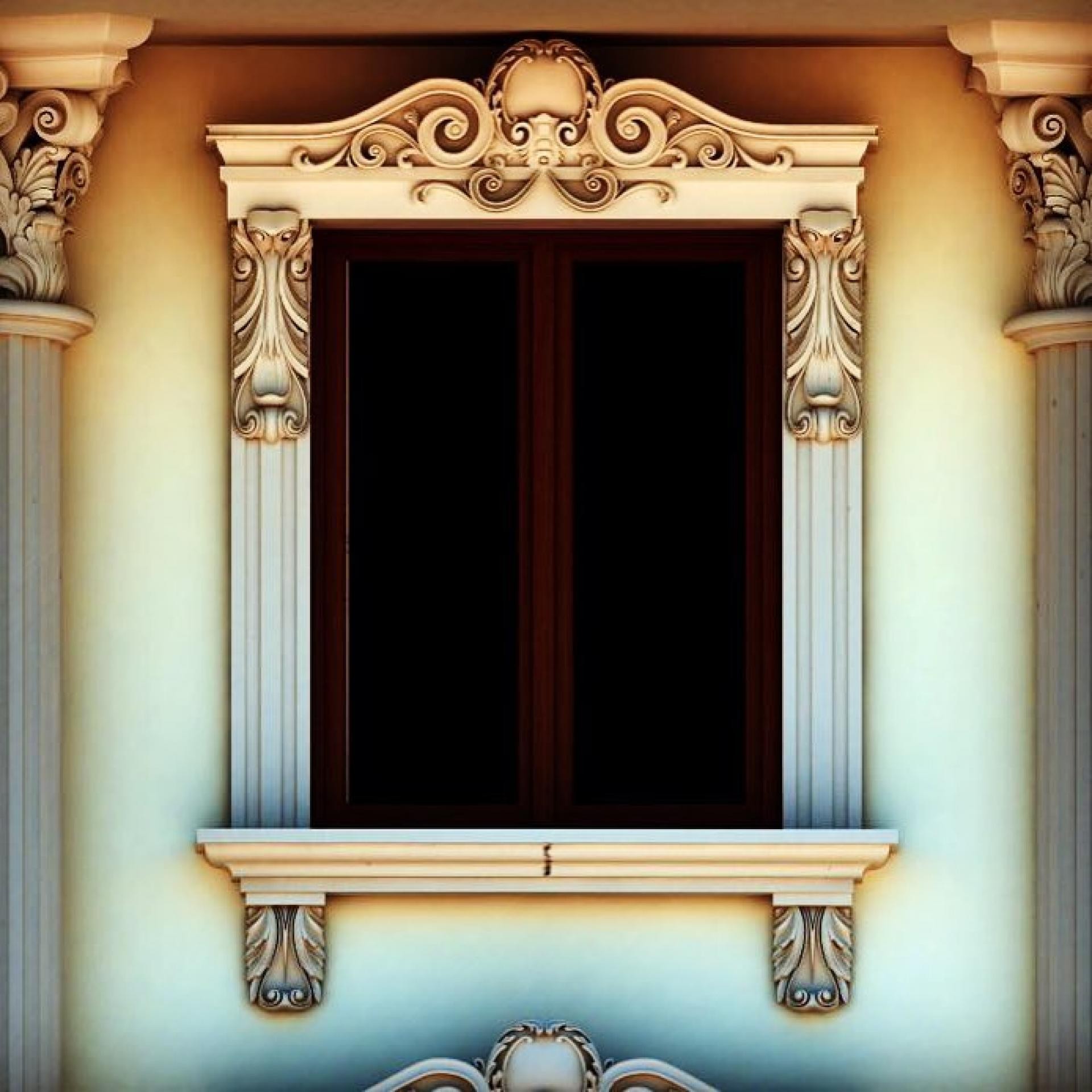
Polyurethane Exterior Window Molding with Classical Villa Elegance
Classical Inspiration for Modern Exteriors The polyurethane exterior window molding draws direct inspiration from classical architecture, where ornate details were once carved in stone. Here, lightweight polyurethane replicates the grandeur of ancient villas and palaces with effortless practicality. The meticulous ornamentation demonstrates flowing volutes, acanthus leaf motifs, and a subtly curved pediment that highlights the window frame with distinction. The structure is framed by fluted pilaster-like borders that recall columnar designs from antiquity. Supporting the lower sill are small corbel-like forms with precision-carved foliage patterns, offering both visual weight and delicate balance. The top section creates a strong focal point with symmetrical scrollwork, which softens the rectangular outline of the window and enhances architectural harmony. In villa design throughout Europe, decorative molding often served as a symbol of refinement. This polyurethane solution carries that tradition forward, blending historical motifs with contemporary endurance. Resistant to weather changes, the material maintains both its detail and elegance. This makes it suitable not only for traditional villas but also for modern residences seeking exterior depth through classical decoration. Overall, the composition achieves both structure and artistry: fluted frames convey order, while swirling reliefs elevate creativity. The use of polyurethane ensures these intricate forms remain durable, lightweight, and easy to integrate, embodying both elegance and functionality. This polyurethane window molding is crafted with a strong sense of classical villa refinement. The upper pediment integrates organic scrollwork and volutes to provide balanced composition. Fluted lines along the vertical frames emphasize order and symmetry. Corbel-like supports under the sill add depth and visual weight. The acanthus-inspired carvings reinforce a timeless decorative character. Each element demonstrates skilled interpretation of historic motifs. Polyurethane ensures long-term durability without heavy masonry. It allows intricate ornamentation to remain lightweight. Such designs bring dignity to both villas and modern façades. The relief detailing transforms a flat wall into architectural sculpture. This molding elevates the window as a central focal point of the exterior. Its decoration bridges tradition with contemporary convenience. The carved motifs establish a narrative of elegance. With strong balance between structure and artistry, this design embodies cultural continuity. The harmonious composition reflects the aesthetic ideals of classical architecture.
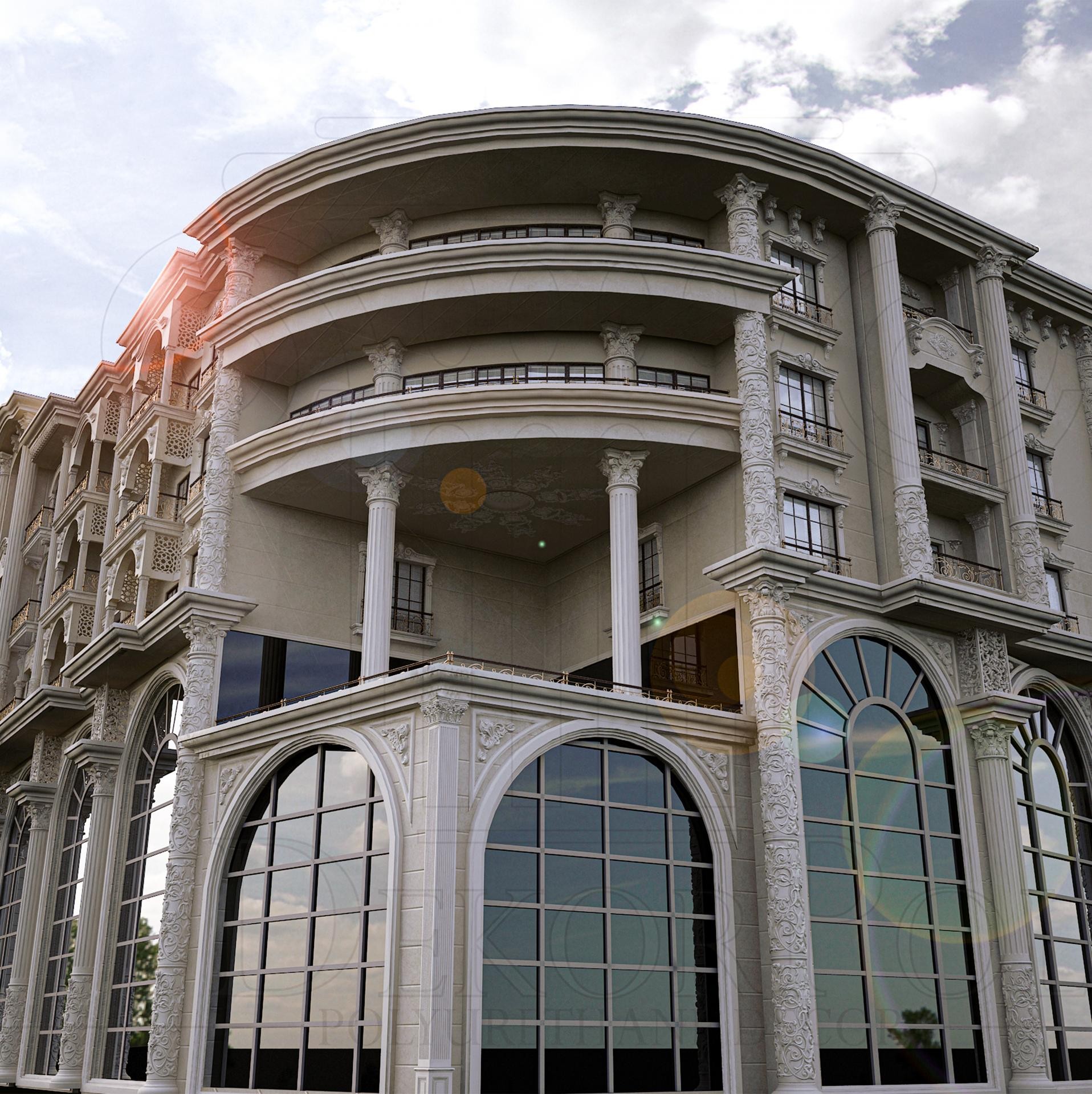
Polyurethane Siding for Hotels with Classical Elegance and Ornamental Facade Design
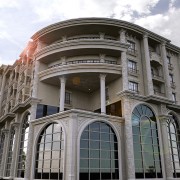
Classical Elegance with Polyurethane Facade ElementsPolyurethane siding is increasingly favored in modern hospitality architecture for its ability to replicate historical charm with lightweight materials. The hotel exterior presented here showcases tall vertical structures framed by decorative cornices, richly detailed pilasters, and precisely curved openings. Each element reflects a deliberate harmony of function and visual impact.The use of grand arc-shaped windows strengthens the sense of openness, while the intricate ornamental motifs carved along the edges highlight detail-oriented craftsmanship. Polyurethane enables these patterns to be replicated with consistency, ranging from floral reliefs to geometric friezes. This flexibility gives architects creative freedom without compromising on structural ease.Fluted columns extend upward to support wide balconies, reminiscent of the classical orders rooted in Greco-Roman tradition. Such structural accents bring historic reference with a lightweight and weather-resistant material. In particular, the rounded balconies and strong vertical emphasis combine to create an environment of stature and prestige.The contrast of large reflective glazed windows with pale, patterned siding emphasizes modernity blended with tradition. The finishing details — including the symmetrical arch designs and decorative trims — generate timeless aesthetics suitable for hotels aiming to attract guests with an elegant identity.A brief note of history: classical column orders such as Doric, Ionic, and Corinthian have influenced architecture for centuries. Polyurethane production allows echoes of these traditions to be recreated efficiently, ensuring that historical elegance can exist alongside today’s construction technologies.Durable lightweight materialIntricate decorative surfacesBalance of modern glass and classical motifs Polyurethane siding offers durable versatility for exterior facades. Hotels increasingly choose this material to achieve classical design without the weight of natural stone. Elegant columns contribute to a sense of height and dignity. The arched windows provide rhythm and balance across the structure. Detailed ornamental motifs enhance sophistication without overwhelming the facade. Modern glazing perfectly complements these historic references. Lightweight materials speed construction processes significantly. Balconies framed by decorative pilasters add harmony to vertical lines. Polyurethane allows consistent reproduction of intricate floral reliefs. Geometric balance emerges through symmetry and arc-shaped features. Guests experience both grandeur and welcoming clarity in such exteriors. Exterior surfaces remain resilient against harsh conditions with polyurethane. Hotels ensure distinctive impressions through timeless aesthetics. Decorative cornices crown the facade in a refined manner. This approach blends tradition and innovation for memorable architecture.
Elegant Classical Hotel Facade with Polyurethane Details
Classical Elegance with Polyurethane ApplicationThe facade demonstrates how polyurethane can be skillfully molded into classical forms, achieving ornamental depth without sacrificing durability. By adopting tall fluted columns and Corinthian-inspired capitals, the design evokes the grandeur of antiquity while benefiting from modern lightweight construction materials.Between the vertical frames, finely carved floral motifs and geometric patterns highlight the decorative richness typical of classical architecture. The combination of symmetry, proportion, and ornamental precision makes the structure visually cohesive, with a sequence of reliefs that catch light at different angles.Durability and Design HarmonyOne of the primary advantages of polyurethane is its resistance to weathering, ensuring that detailed facade design maintains its sharp contours over time. The white cladding reflects light elegantly, reinforcing the sense of purity and clarity often associated with neoclassical hotels.These design choices echo architectural traditions of the Renaissance and Baroque, when decorative motifs and monumental columns were adapted from ancient Roman and Greek precedents. By continuing this lineage through modern materials, the building becomes both timeless and relevant.Columns enhance verticality and grandeur.Ornamental motifs enrich the facade with intricate reliefs.Polyurethane ensures longevity without compromising aesthetics.This seamless balance of strength and artistry illustrates how classical design can thrive in contemporary hotel construction. The hotel facade employs polyurethane to recreate classical architectural aesthetics. Tall fluted columns emphasize height and elegance. Decorative capitals echo the opulence of ancient traditions. Window frames are adorned with floral ornaments. Geometric reliefs add structural rhythm. The pristine white color underscores cohesion. Facade design achieves both luxury and symmetry. Intricate details offer visual richness. Durable materials ensure long-term resilience. The structure evokes timeless sophistication. Classical architecture meets modern practicality. Each elevation reveals careful artistry. Balanced proportions reinforce harmony. Weather resistance ensures lasting quality. This composition integrates tradition with innovation.
Classic Polyurethane Exterior Molding and Facade Decoration Designs
Polyurethane Facade ElegancePolyurethane exterior decorations offer a practical and aesthetic solution for enhancing architectural exteriors. Using lightweight yet durable materials, designers can create elaborate ornaments that recall classical art without the limitations of stone or plaster.The design presented here highlights ornamental cornices filled with scrolls and vine motifs, giving the building a sense of rhythm and sophistication. These continuous bands of relief detail mirror decorative traditions of Renaissance palaces while remaining modern in production.Fluted columns capped with Corinthian capitals reinforce verticality and elegance. Their acanthus leaf patterns symbolize vitality, a reference to ancient architecture that spread from Greece to Rome and later into European neoclassical style.Above and around the windows are frames enriched with decorative moldings, combining arabesque and floral compositions. These patterns unify the facade by echoing the repeated ornamental vocabulary across multiple levels.Balconies introduce contrast through wrought iron railings with scrollwork designs. The dark metal filigree provides depth against the lighter polyurethane background, merging traditional craftsmanship with modern facade artistry.The color palette, a warm golden cream, complements the carvings and highlights their relief depth. Light hitting the grooves creates natural shadows that accentuate the refined architectural motifs.Floral and leaf ornamentation across cornicesSymmetrical polyurethane frames around windowsRich scroll-based balcony patternsFluted columns with Corinthian capitalsBy blending historical references with contemporary production, polyurethane exterior elements provide a timeless facade design that balances durability, lightness, and classical character. Polyurethane exterior moldings provide a lightweight way to add classical richness to a facade. The combination of fluted columns and detailed capitals creates an air of permanent strength. Decorative cornices filled with scroll and floral carvings generate texture. Window surrounds secured with symmetrical patterns enhance balance. The wrought iron balcony railings carry swirling scroll motifs. These varied layers reflect a timeless approach to ornate building exteriors. The golden color enhances depth through light and shadow. This mixture of tones highlights architectural relief and precision. Polyurethane material ensures easier installation compared to stone. Durability also improves with lower maintenance demands. Historic references such as Corinthian leaves infuse classical heritage. Balanced repetition of forms creates harmony. Fine detail expresses elegance in every curve. Architects can achieve authenticity through modern resources. Such polyurethane moldings reshape classical artistry into accessible, enduring forms.
Polyurethane Classical Hotel Facade Design with Ornamental Motifs
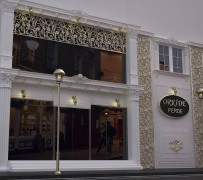
Polyurethane Classical Facade Design FeaturesThe use of polyurethane in classical architecture allows for lightweight yet durable designs that mimic natural stone carvings. Here, the hotel exterior highlights majestic columns with fluted shafts, ornamental capitals, and intricate cornices. The repetition of symmetrical lines and geometric detailing enhances the facade’s classical elegance.One of the most striking features is the series of textured panels with lattice-like motifs that contrast beautifully with the smooth vertical surfaces. Above the main entrance, a grand arched pediment adds scale and emphasis, supported by layered moldings and framed with richly decorated pilasters. This creates a focal point where tradition and modern construction technique converge.Historical Context and Design ContinuityThe motifs and proportions found in the design recall ancient Greco-Roman traditions, where buildings conveyed authority, refinement, and permanence through rhythm and ornamentation. By incorporating decorative relief, stylized capitals, and repeating frieze patterns, the facade resonates with centuries-old principles reimagined through modern materials.The careful placement of ornamental motifs combined with expansive glazing ensures balance between lightness and monumentality. The angular geometry structuring each layer of the facade is offset by fluid decorative carving, offering a nuanced composition that feels both enduring and inviting.Modern Application in HospitalityFor hotels, classical facades such as this imbue a sense of luxury and tradition. The rich surface treatments provide a distinguished presence in urban landscapes, while polyurethane’s resilience ensures long-lasting performance. With architectural detailing that is both artistic and functional, this approach merges historical aesthetics with contemporary practicality. This polyurethane hotel facade design demonstrates a balanced fusion of classical elegance and modern practicality. The building combines rhythmic lines with ornate columns to achieve a timeless impression. Its decorative relief creates depth and character at every level. Large glazed surfaces contrast with solid classical elements, resulting in harmony. The entrance arch framed by moldings serves as a striking focal point. Relief patterns enrich the wall surfaces with geometric complexity. The use of polyurethane ensures durability while enabling detailed craftsmanship. Historical references connect the design to Greco-Roman traditions. Modern hospitality benefits from such timeless grandeur. Each ornamental border supports the classical balance of the whole. Custom motifs enhance unity across the facade. A sense of proportion reinforces vertical progression. Geometric repetition solidifies a prestigious appearance. The decorative entablature crowns the elevation with elegance. Ultimately, the hotel presents an inviting blend of artistry and permanence.
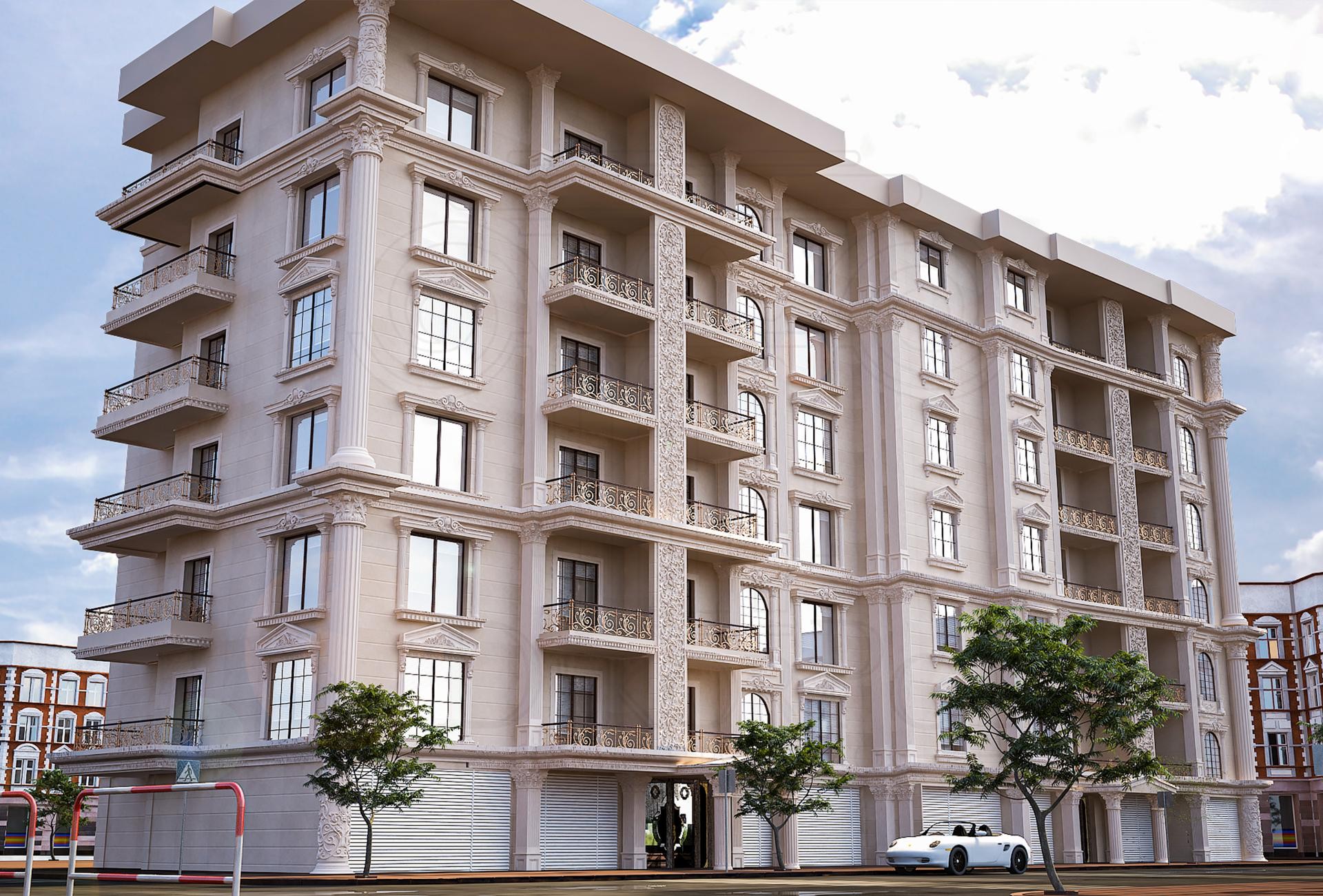
Polyurethane Facade Decoration and Color Tips for Classic Hotel and Residential Buildings
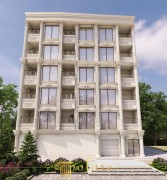
Polyurethane in Classic Building FacadesUsing polyurethane on exterior facades has become a preferred solution in modern construction due to its versatility and rich decorative effect. Classic hotel and apartment buildings often employ polyurethane columns, pilasters, and balustrades to replicate the prestige of traditional architecture while maintaining functionality.The presented building exhibits a meticulously designed arrangement of Corinthian-inspired columns, window pediments, and finely crafted railing motifs. These details emerge from the adaptable nature of polyurethane, allowing very thin and elaborate floral and geometric carvings on vertical elements.Color Selection for Decorative ImpactColor plays a crucial role in accentuating details. A neutral beige or ivory base enhances the intricate motifs without distorting the balance of facade elements. Applying slightly darker tones for balustrade ironwork reinforces contrast, ensuring that the repetitive geometric patterns stand out against lighter backgrounds.When designing hotel exteriors, a harmonious palette ties the classic silhouettes with modern expectations. Shades derived from natural stone, such as sand and cream, are often chosen because they both reflect tradition and simplify long-term maintenance.Architectural Heritage NotesThe exterior design references Renaissance-influenced classical forms, which historically emphasized symmetry, grandeur, and detailed ornamentation. Polyurethane allows these historical styles to be imitated with lightweight and cost-effective methods, preserving the sense of elegance in a contemporary build.Practical GuidanceHighlight decorative frames with subtle color transitions.Use light hues to emphasize depth and shadow play on ornaments.Combine smooth wall coatings with ornate polyurethane pilasters for visual rhythm.Consider durability of pigments against weather effects to retain facade charm. Polyurethane decoration on external facades provides a blend of elegance and resilience. In hotel and apartment buildings, finely crafted columns and detailed ornaments highlight a classical aesthetic. A neutral beige tone enriches carved motifs while preserving depth. Geometric rhythm from balconies and balustrades complements vertical symmetry. Designers often prefer ivory and light sand tones for timeless appeal. These tones cooperate with dark metallic balcony details for contrast. Historical notes trace back to Renaissance traditions of balanced geometry and proportion. Decorative frames above windows create texture while maintaining uniformity. Long-term durability is ensured through careful pigment selection. Polyurethane elements resist external factors while offering design flexibility. Light variations accentuate shadow effects, adding character to large facades. Balustrade patterns integrate modern safety features with visual heritage. The use of classic silhouettes conveys prestige and sophistication for hotels. The versatility of polyurethane aids in efficient renovation projects. Ultimately, strategic color choice emphasizes detailed artistry and strengthens architectural identity.
Elegant Classical Villa Facade with Polyurethane Profiles and Decorative Motifs
Classical Villa Facade with Polyurethane Profiles The use of polyurethane in exterior architectural design has emerged as a solution that blends durability, lightweight installation, and aesthetic richness. This classical villa demonstrates how decorative polyurethane profiles can transform a plain facade into a refined architectural statement. One of the prominent features is the decorative cornice that runs along the upper facade. Enriched with complex relief patterns resembling acanthus and floral scrolls, this detail provides continuity and rhythm across the structure. The window frames are equally enhanced with sculpted pediments featuring ornamental motifs that echo neoclassical elegance. The vertical emphasis is strengthened through fluted columns that reference Corinthian traditions. With capitals adorned in stylized leaves, these elements establish a direct connection to classical history, recalling the grandeur of Greek and Roman villas where ornamentation symbolized prestige and refinement. The geometric balance of the facade is heightened by symmetrical placement of motifs above and below the windows. The intricate design of the polyurethane decorations ensures both aesthetic impact and resistance against weathering. The crisp white backdrop contrasts beautifully with the subtle gray accents, highlighting every carved relief and embellishment. Applying polyurethane profiles also allows creative flexibility. Designers can frame windows and doors with custom motifs, create layered horizontal bands, or reinforce the roofline with bold ornamental statements. The combination of lightweight properties and durability makes polyurethane both practical and visually compelling. Durable decorative motifs with fine floral and scroll details Symmetrical window pediments with sculpted edges Layered cornices enhancing structure rhythm Corinthian-inspired fluted columns with ornate capitals Balanced geometric proportions created by repeating patterns In summary, this design integrates modern polyurethane versatility with the timeless language of classical architecture. The harmony of ornament, geometric order, and durable material use makes the facade both practical and visually outstanding. This classical villa facade demonstrates the refined use of polyurethane profiles for aesthetic impact. Decorative window pediments are enriched with complex relief motifs. Ornamental cornices run along the structure with continuous detailing. The fluted columns provide vertical rhythm while adding elegance. Each pediment contains swirling acanthus-inspired carvings. The crisp white facade enhances the gray embellishments. Symmetry and rhythm bring harmony to the exterior. The polyurethane material offers durability and lightweight application. Weather resistance ensures long-term preservation of patterns. Historical references to neoclassical and ancient styles enrich the design. Acanthus and floral motifs create timeless appeal. Balance is further achieved through geometric proportion. Relief details highlight craftsmanship and intricacy. The villa exterior merges modern technique with tradition. This approach creates a distinguished and durable architectural statement.
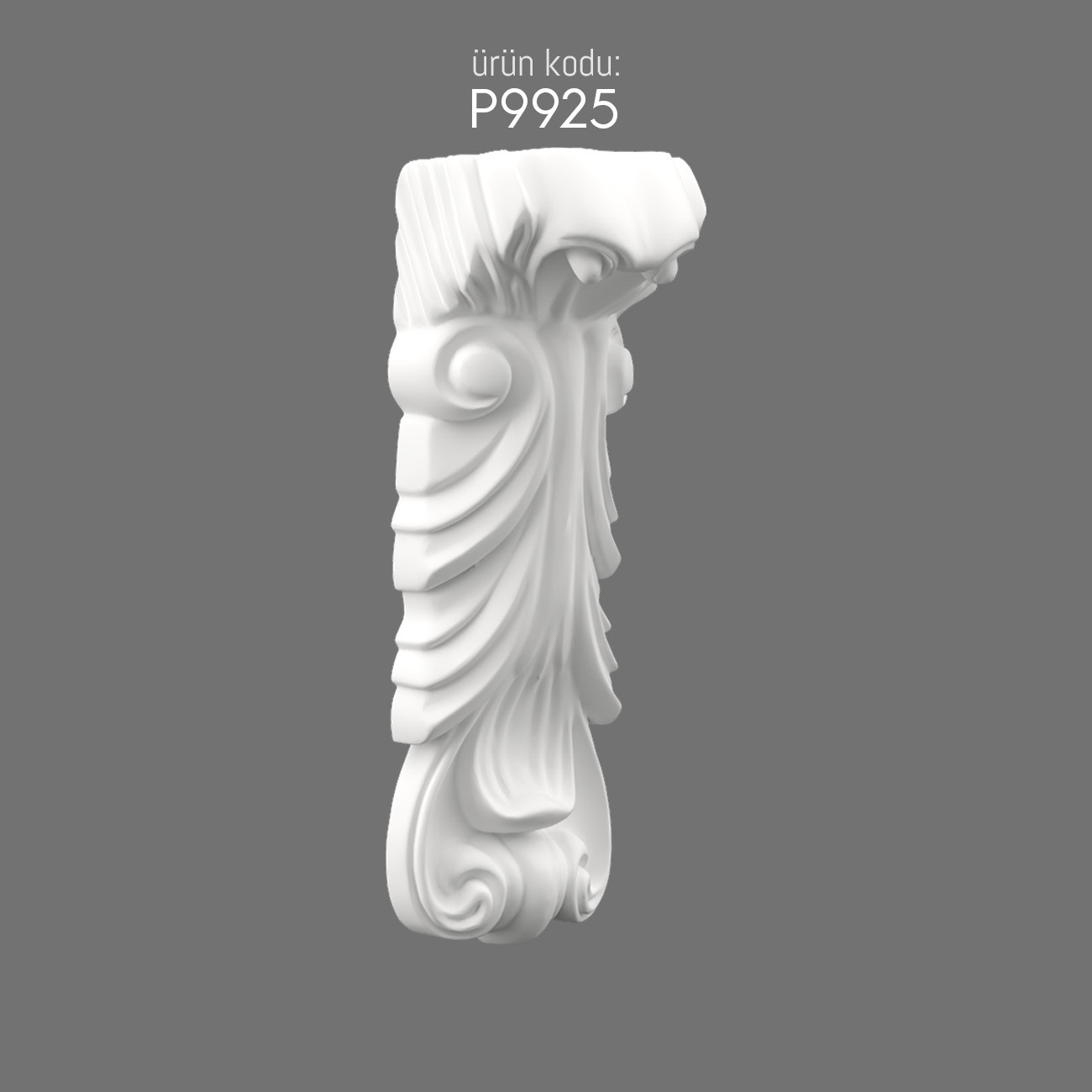
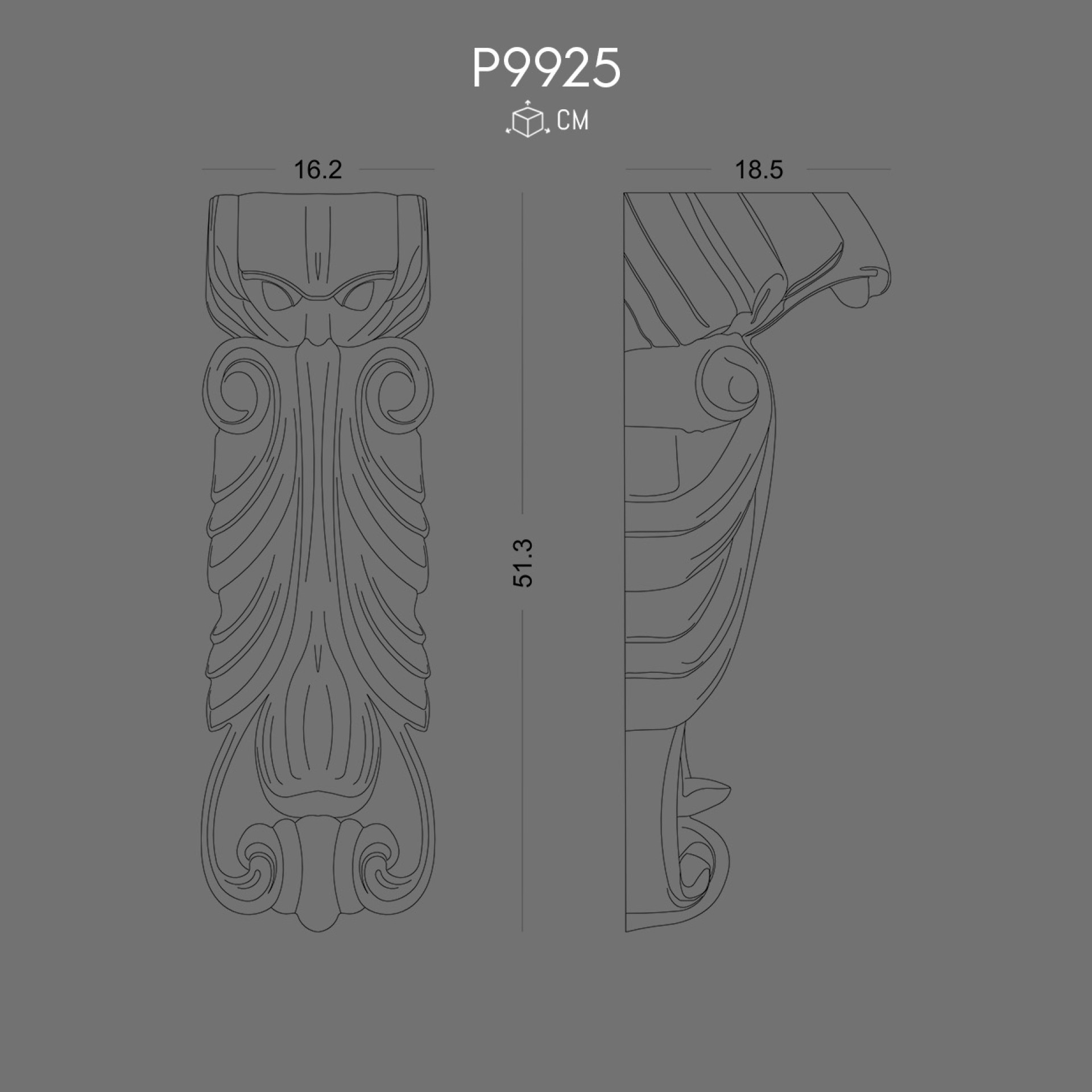
P9925 Bracket Decorative Concept
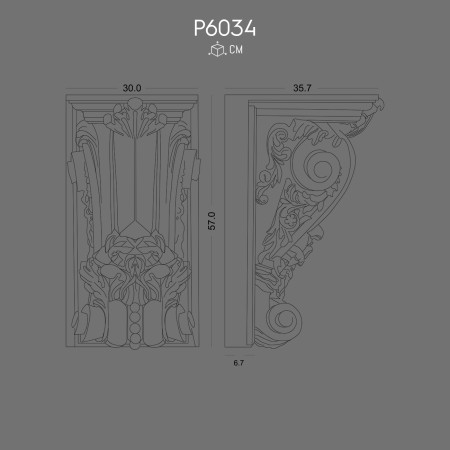
The P9925 bracket is a polyurethane decorative element that combines modern production with classical inspiration. Its flowing curves and ornamental spirals provide a graceful accent to interiors, offering the impression of additional space and light.
Historically, brackets in architecture date back to ancient Greek and Roman temples, where stone-carved supports were not only structural but also symbolic expressions of art. The P9925 design continues this tradition, delivering durability and elegance.
The finely sculpted motifs and the bright finish make it adaptable to various decoration styles. With its refined proportions, the polyurethane bracket is suited for enhancing delicate interiors such as smaller living rooms, study corners, or hallway alcoves.
- Decorative design inspired by classical motifs
- Lightweight yet durable polyurethane material
- Visually expands smaller spaces
A small anecdote from architectural history recalls that brackets were considered an ‘artful support,’ granting both stability and beauty to ancient stone structures. The P9925 brings this legacy into modern homes.
The P9925 bracket is a decorative element designed to elevate smaller interiors. Its elegant curves enhance the perception of space. Polyurethane construction ensures resilience and lightness. The intricate form recalls classical artistry. Many designers view brackets as symbols of functional beauty. This model carries that heritage into modern design. Its luminous finish reflects light softly. Compact rooms benefit from its graceful proportions. A decorative design like this supports versatile styling. Inspired by polyurethane bracket craftsmanship, it adapts easily into various settings. The detailed carving adds depth and elegance. Classical influences enrich contemporary spaces with subtle dignity. Each scrollwork motif enhances the aesthetic. Homeowners appreciate the balance of art and function. Ultimately, the P9925 bracket embodies timeless design.
Elegant P9925 Bracket Model for Spacious Interior Look
The P9925 bracket offers a refined way to bring elegance and spaciousness into smaller rooms. Traditionally, brackets were architectural supports used in classic structures such as Greek and Roman temples, combining both strength and artistry. This particular model, crafted from polyurethane, combines modern durability with timeless ornamentation. The smooth curves and intricate flowing patterns add an artistic depth while ensuring a clean and fresh aesthetic. A small anecdote often mentioned in architectural design circles is how the bracket symbolized the marriage of function and beauty, where even practical supports were transformed into elements of decoration. The P9925 model continues this heritage, making it possible to enrich contemporary interiors effortlessly. Whether placed under a shelf, framing a wall unit, or enhancing a ceiling corner, the detailing of this bracket offers both substance and subtle charm. Its luminous white surface reflects light delicately, helping compact spaces feel open and bright. It is an ideal decorative addition for homeowners and designers who value classical influence blended with modern resilience.
p9925 bracket, polyurethane bracket, decorative bracket, interior bracket design, classical bracket, wall bracket decor, shelf support bracket, ornamental bracket, small room decoration, elegant bracket design, detailed polyurethane carving, architectural bracket style, lightweight decorative support, timeless interior accent, modern classical bracket
No reviews found!

No reviews found for this product. Be the first to comment!