 ENGLISH
 ITALIAN
 GERMAN
 GREEK
GREEK FRENCH
 SPANISH
 PORTUGUESE
 POLISH
 DUTCH
DUTCH ALBANIAN
 SERBIAN

















You might also want to










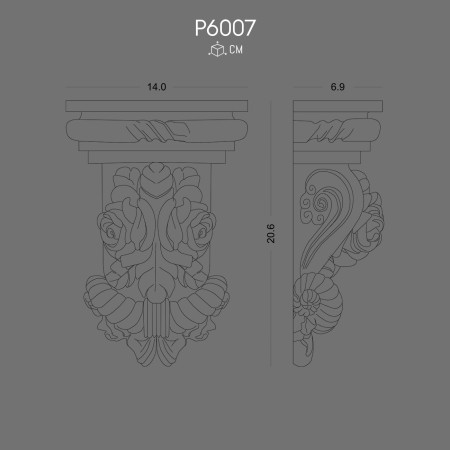
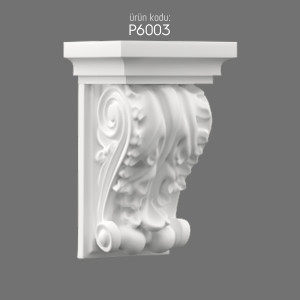
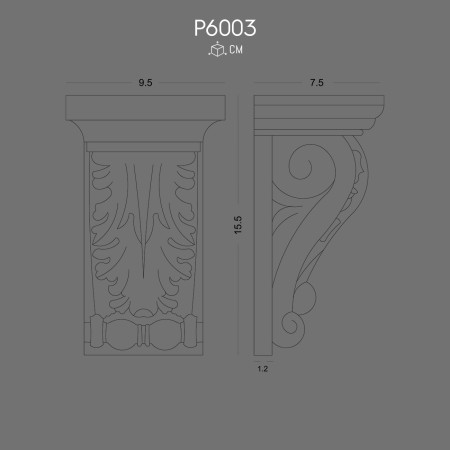


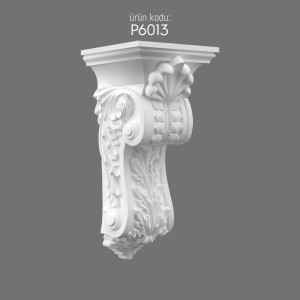








P9927 Product Used Image Gallery
Elegant Polyurethane Exterior Decorations for Classic Villas
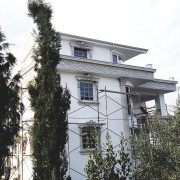
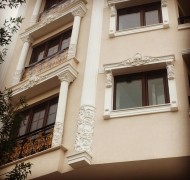
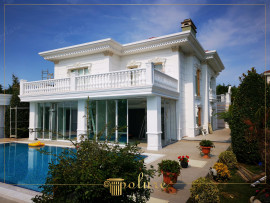
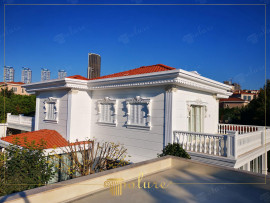
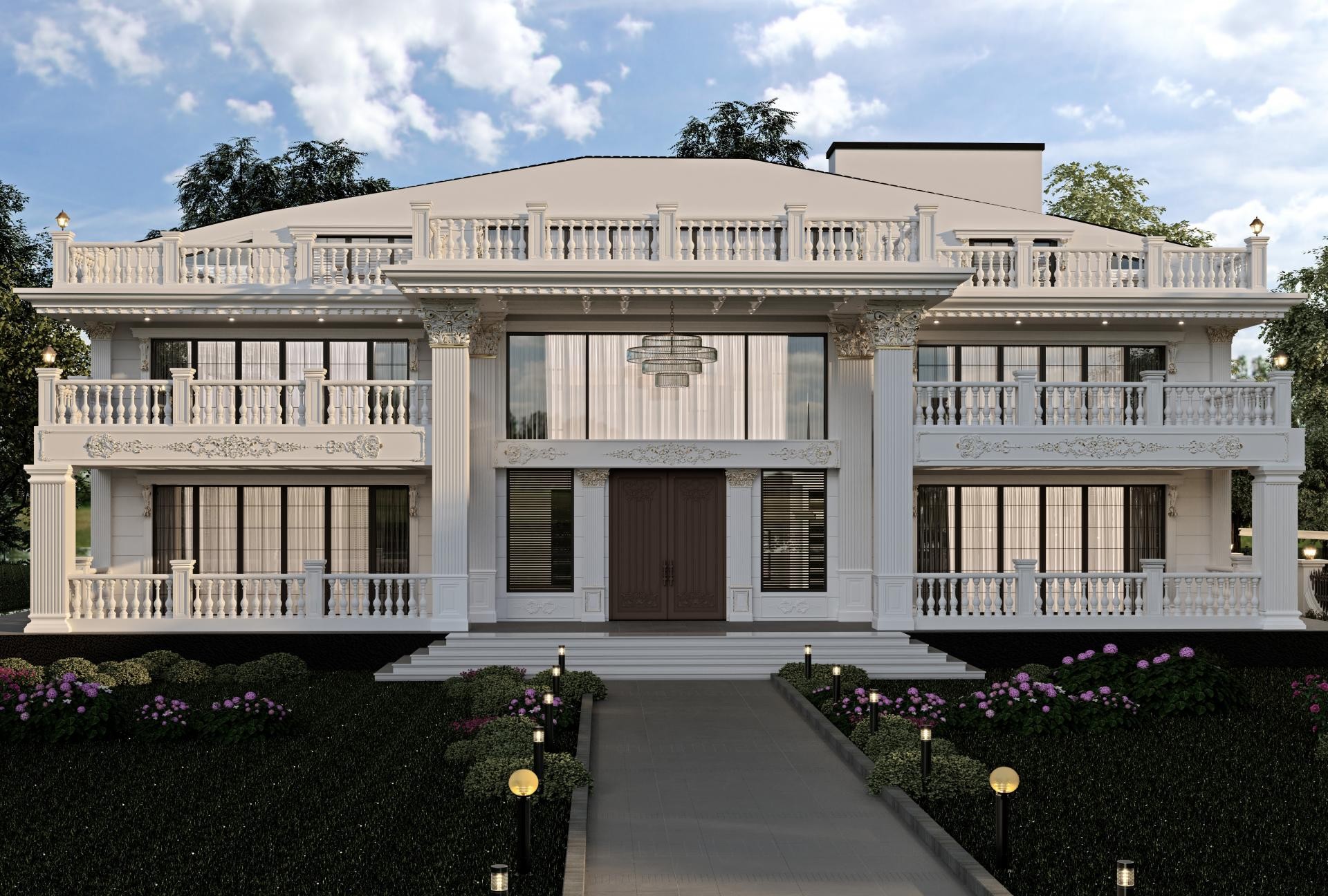
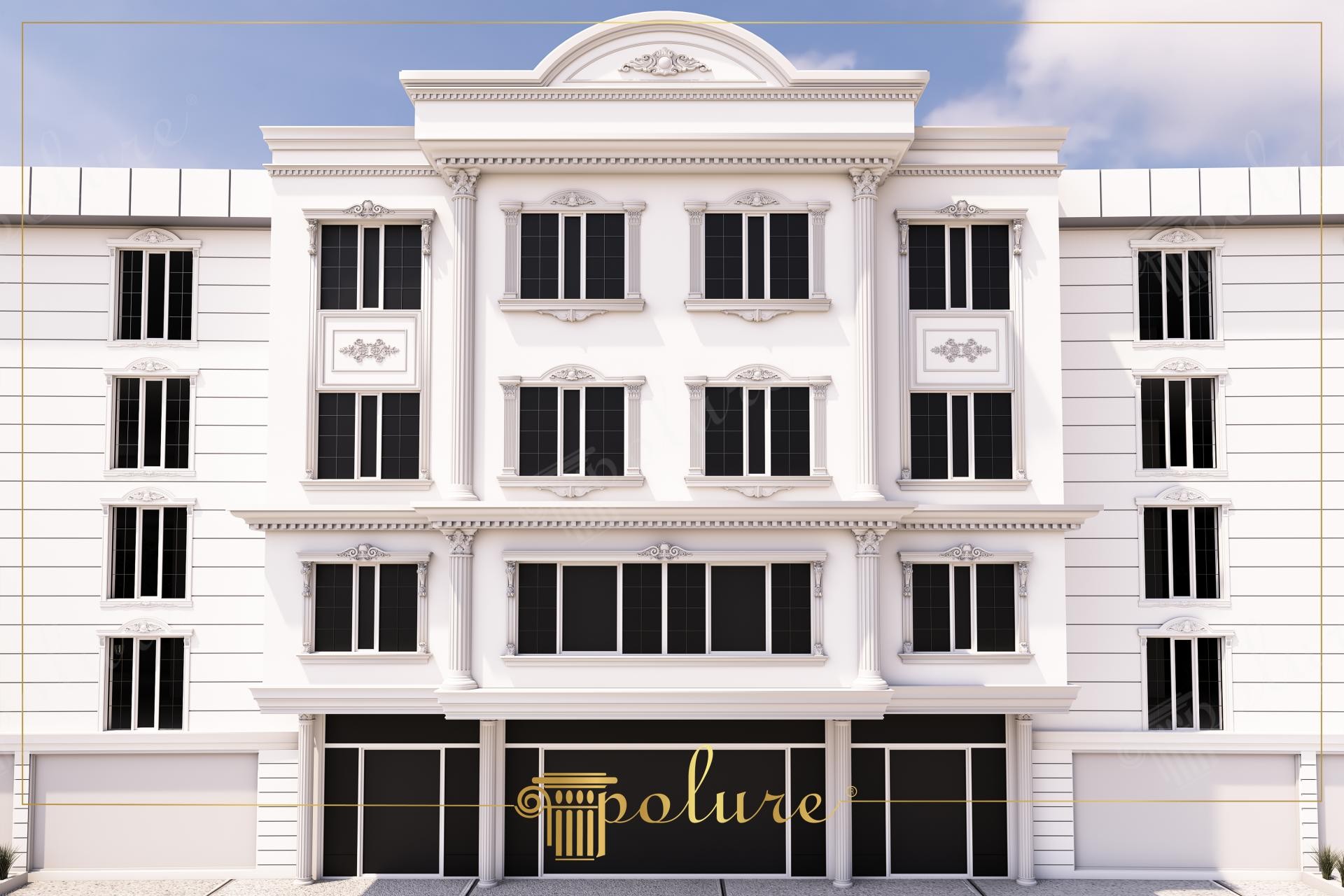
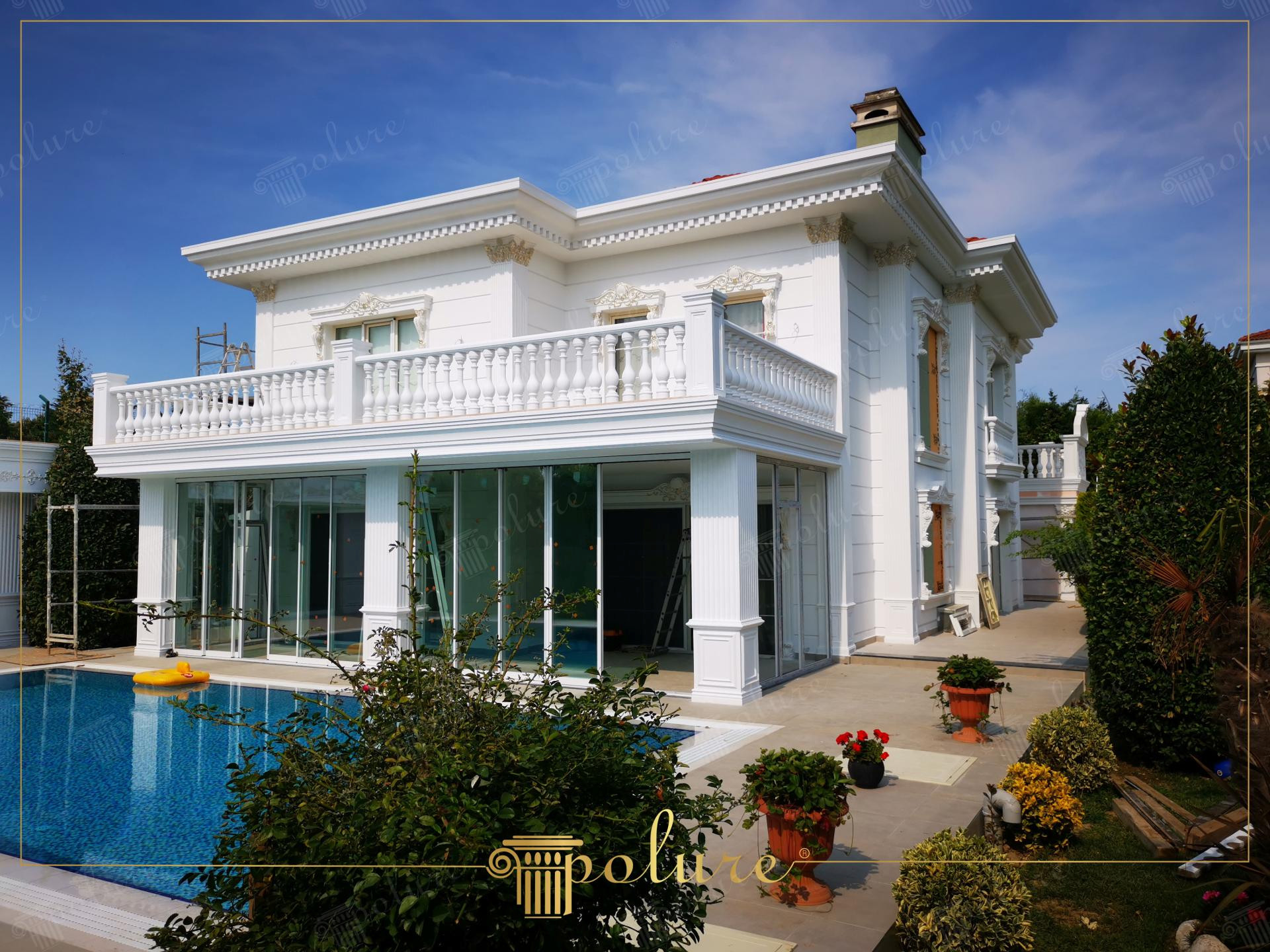
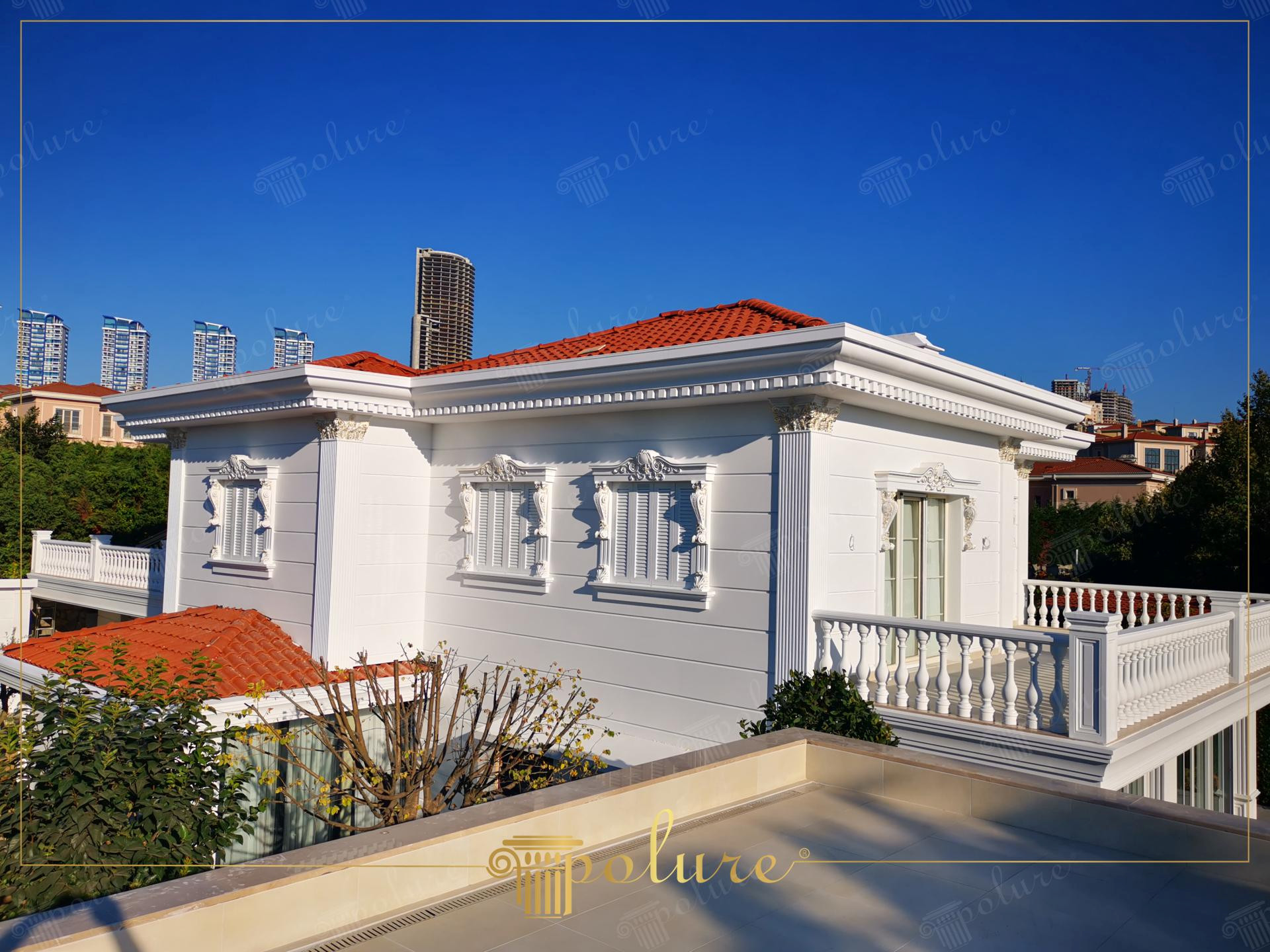
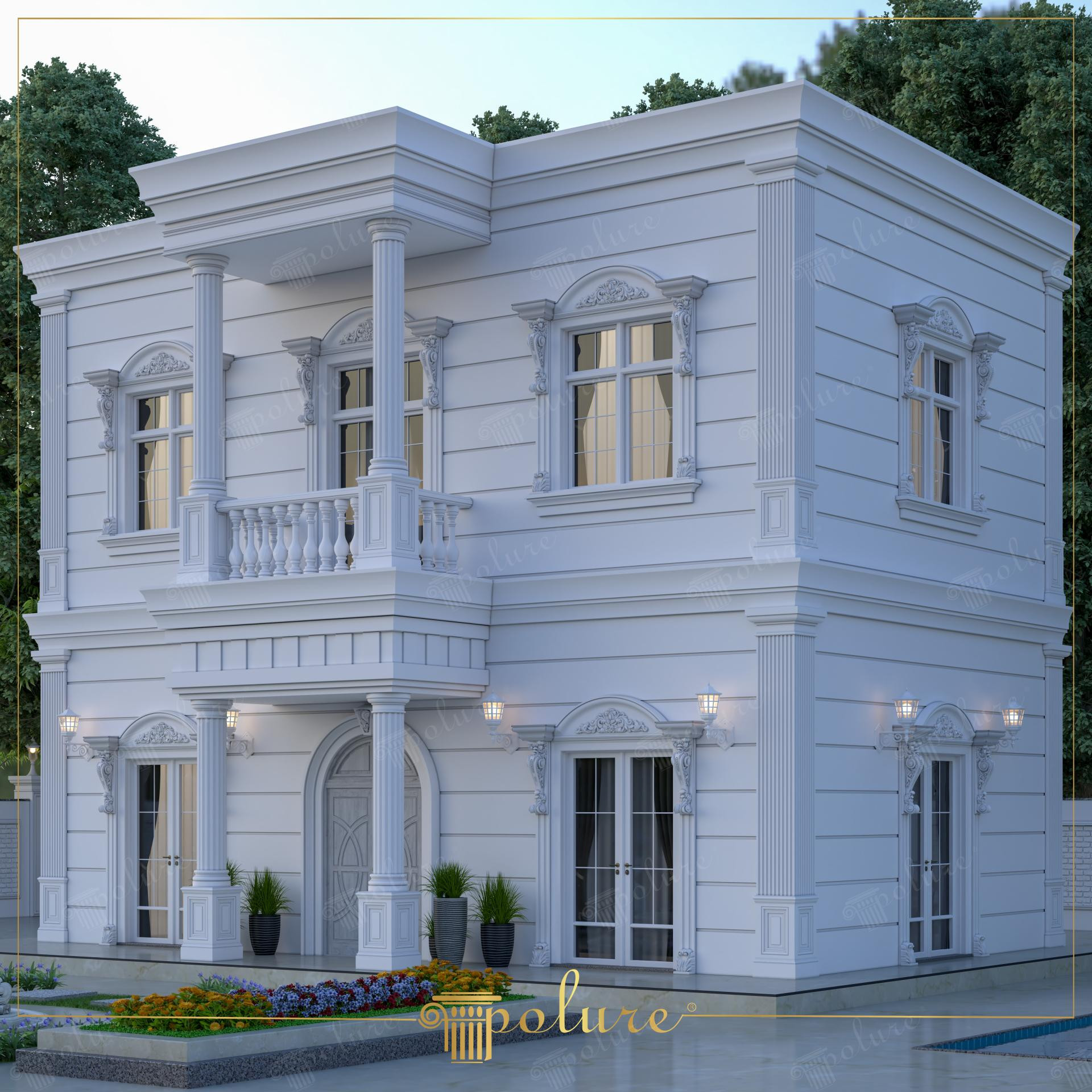
Classical Polyurethane Facade ElementsThe use of polyurethane in exterior design allows the creation of intricate details without the weight and fragility of traditional stone. The villa facade combines classical pillars, cornices, and ornamental reliefs that bring historical design into a modern structure. Each window is framed with decorative motifs that suggest subtle references to Corinthian and Ionic architectural orders.The balcony displays an elegant balustrade with carefully spaced spindles, emphasizing rhythm and symmetry in the composition. Above the windows, stylized floral reliefs and swirling patterns add artistic richness. These details catch natural light differently at various times of the day, casting delicate shadows that enrich the façade’s perception of depth.Gold-toned highlights are discreetly applied to cornices and keystone-like details, producing a contrast with the pure white surface and enhancing the sense of exclusivity. The vertical pilasters and horizontal moldings together create a balanced architectural grid, reinforcing a timeless villa appearance.Historically, exterior ornamentation of this kind took inspiration from the ancient Roman and Greek motifs, adapting them to domestic architecture to convey prestige and refinement. Polyurethane technology allows such motifs to be recreated today with enhanced weather resistance and lower maintenance requirements.Decorative cornices with floral reliefsFluted pilasters and ornamental capitalsBalustraded balcony with classical rhythmSymmetrical arrangement of window framesThe result is an exterior design that merges classical aesthetics with contemporary efficiency, suitable for luxurious villas seeking identity and elegance. This villa facade demonstrates how polyurethane details can achieve elegance and resilience at the same time. The use of classical ornaments creates harmony on a pure white background, enriched with gold-toned accents. Decorative cornices frame the roofline with symmetry and sophistication. Window surrounds feature reliefs with fine curves and floral motifs that generate a sense of artistry. The balcony balustrade adds geometric rhythm and visual strength to the entire facade. Fluted pilasters visually separate wall segments with vertical emphasis. Every corner of the villa displays a controlled balance of depth and proportion. The shadows cast by three-dimensional reliefs enhance the perception of realism. Historical inspiration from classical Greek and Roman motifs is visible in the detailing. At the same time, durability is ensured by modern polyurethane materials. This allows a combination of tradition and technology without compromise. Such decorations elevate a simple structure to an elegant statement. The geometric flow from corner to corner is uninterrupted and refined. Each element contributes to luxury without overwhelming the composition. Overall, the facade is both timeless and enduring, revealing the synergy between design and material.
The Most Trendy Exterior Villa Designs
Villa Exterior Design with Neoclassical Polyurethane Products Bring Elegance and Durability Together Neoclassical style architecture allows reinterpretation of classical lines with modern touches Polyurethane decorative elements used in villa exteriors attract attention with both their aesthetic appearance and durability Light, long-lasting and easy-to-apply polyurethane products add an elegant and eye-catching air to the exterior of your villa Neoclassical polyurethane exterior decorations include details such as columns, arches, cornices, plasterboards and window frames These decorative elements add magnificence to the structure while also being highly resistant to water, moisture and external weather conditions Compared to traditional materials such as wood or plaster, they do not require maintenance and maintain their first-day elegance for many years Polyurethane products used in neoclassical exterior design offer personalized solutions to villa owners Thanks to different pattern size and color options, it is possible to add aesthetic touches suitable for every structure In addition, thanks to their lightweight structure, they are easy to install and do not increase the static load of the structure If you want to add a timeless elegance and sophisticated look to the exterior of your villa, neoclassical polyurethane decorative products will be a perfect choice This design approach that brings together both traditional and modern elements gives your villa a unique identity
Elegant Polyurethane Villa Facade with Classical Balustrades and Ornamented Motifs
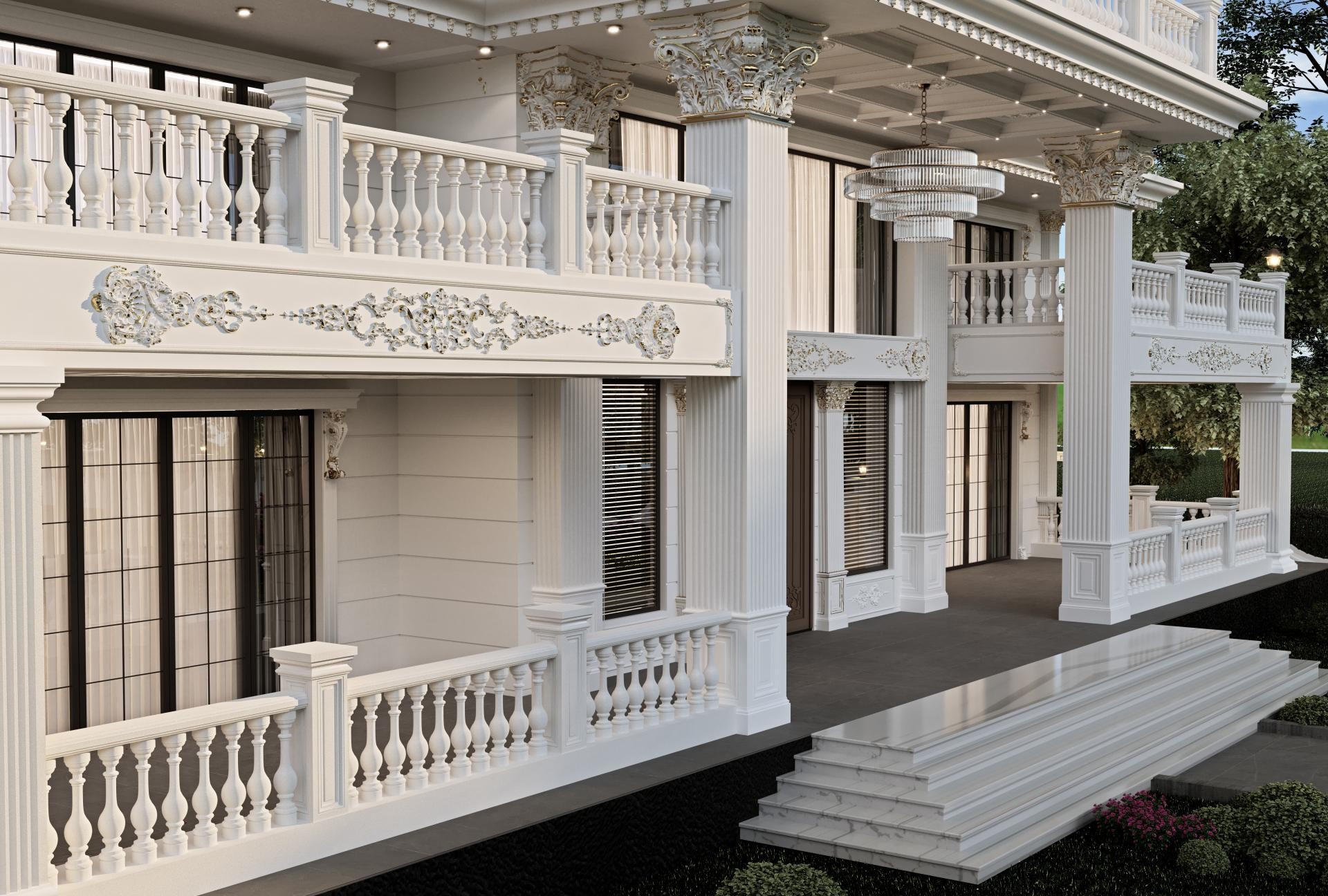
Classical Inspiration in Villa Facade DesignThe villa exterior embraces a classical aesthetic through the use of polyurethane details such as balustrades, columns, and finely patterned reliefs. Each baluster is turned in symmetrical curves, creating a structural rhythm reminiscent of traditional Mediterranean terraces. The column capitals display intricate gold-accented volutes, recalling Corinthian artistry with a modern finish.Polyurethane enables these details to achieve long-lasting resistance to weather while maintaining sharp detail. The ornamental motifs across the facade introduce floral and vine-like patterns, lending an artistic interplay between shadow and light. These repeating embellishments anchor the overall design in visual harmony.Geometric Precision and Aesthetic ImpactBalustrades exhibit consistent geometric repetition, reinforcing rhythm and symmetry. Cornices and friezes, enriched with gold highlights, act as horizontal separators guiding the eye upward across the facade. This method mirrors classical Greek and Roman architecture, where order and proportion dictated harmony.Polyurethane allows elevated expression at reduced cost compared to stonework. Durable moldings replicate even subtle grooves and decorative flourishes, ensuring the styling remains crisp over decades.A Balance of Modern Utility and TraditionBeyond visual impact, polyurethane elements reduce maintenance while maintaining grandeur. Elegant balustrades provide both safety and ornamentation. Light fixtures integrated at the corners highlight the architectural texture and further establish the sophisticated nighttime appearance.This interplay of modern material efficiency and traditional design values delivers a facade that is both timeless and practical, perfectly suited to luxury villas aiming for a distinguished yet enduring presence. The villa exterior presents a blend of tradition and modernity. White polyurethane balustrades offer durability and ornate detail. Gold-accented Corinthian capitals elevate elegance. Decorative floral motifs enrich the facade. Symmetry and proportion provide harmony. Classical principles are reinterpreted for modern living. Polyurethane ensures resistance to weather. Baluster repetition creates rhythm and depth. Geometric precision enhances visual balance. Light fixtures highlight architectural style. Relief patterns anchor the composition. Traditional ornamentation meets modern material strength. Ornamental details establish sophistication. The facade successfully merges utility and art. Overall, the design delivers enduring classical charm.
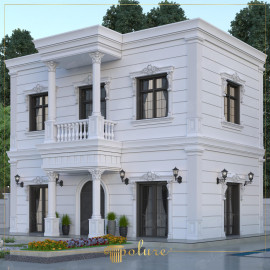
Exterior Facades with Classical Architectural Magnificence Enriched by Polyurethane Columns and Details
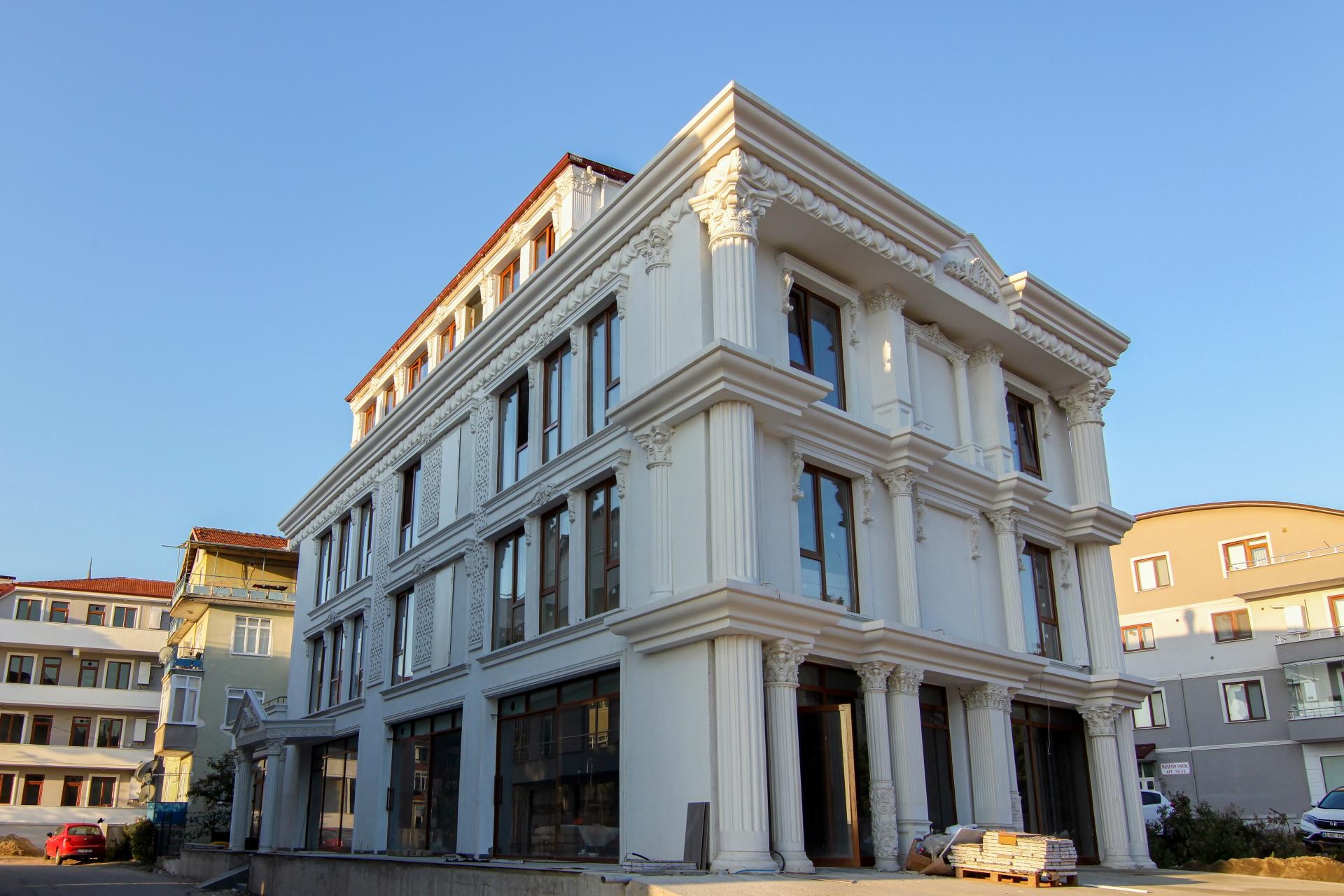
The elegance of classical architecture is also evident in modern buildings. The villa in this picture displays one of the most beautiful examples of classical exterior decoration. The nobility of white meets polyurethane columns and Corinthian style column capitals. While window jambs add depth to the elegant details on the exterior facades, badastrol and eaves moldings make the characteristic silhouette of the building clear. Polyurethane panel coverings It brings long-lasting beauty to exterior facades by blending traditional aesthetics with the advantages of modern materials. Whether you are designing a new building or thinking of adding a classic touch to an existing house, these elements add originality and aesthetic value to every project.
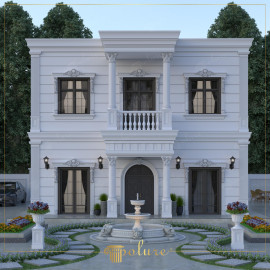
Polyurethane Neoclassical Villa Design with Elegant Facade and Decorative Motifs
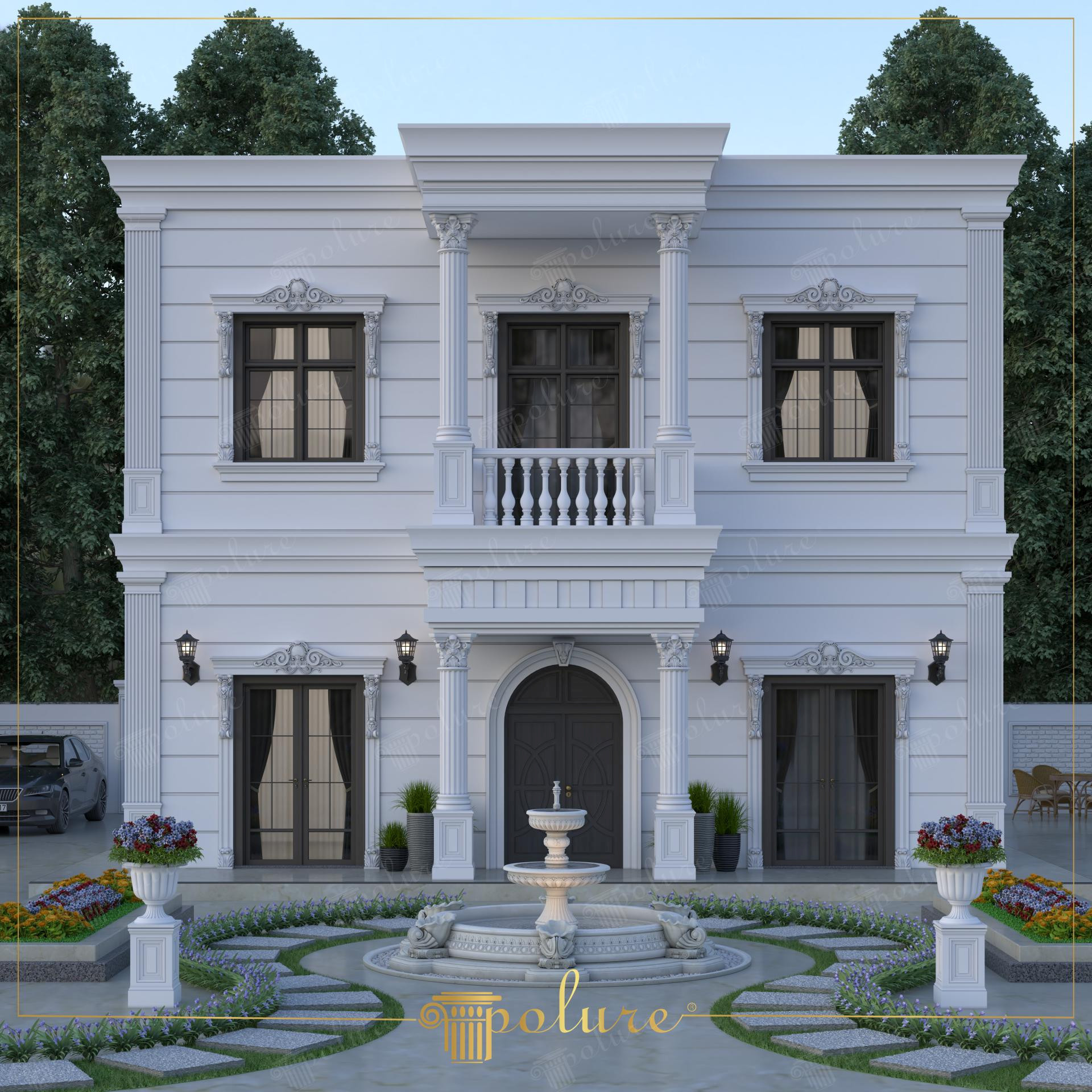
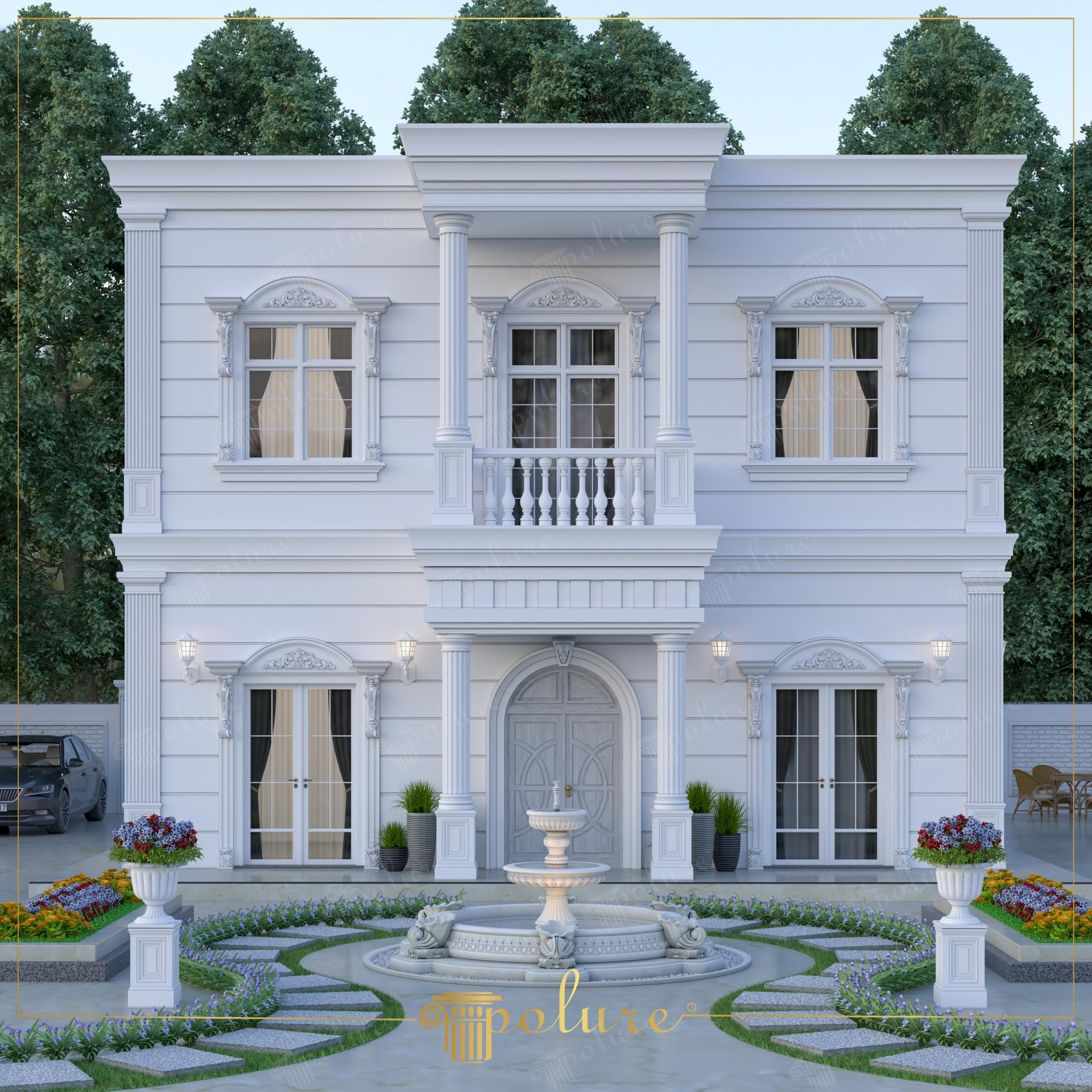
Elegance in Neoclassical Villa DesignThe villa presents an impressive display of symmetry, where every architectural element is balanced by its counterpart. The white polyurethane cladding emphasizes clarity and refinement while framing the key structural and decorative features. Fluted columns rise gracefully on both levels, visually grounding the façade while alluding to classical traditions of strength and proportion.The windows are accented with arched pediments, adorned with delicate relief motifs that recall ancient aesthetics. Cornices and pilasters create vertical rhythm, and the central balcony with balustrades introduces subtle depth and dimension. Together, these details embody the neoclassical language of elegance that seeks permanence and dignity.At the entryway, a pair of columns frames the arched double door, producing a stately presence. The polyurethane material allows fine sculptural detailing around the frames, enhancing the authenticity of the model while offering durability in outdoor conditions. The historical influence of Doric and Ionic orders is subtly suggested in the proportions and rhythm of the column shafts and capitals.The landscaped garden further enhances the villa’s grace with a fountain set within a circular motif. Surrounding pathways are composed of geometric stone cuts, forming a harmonious pattern when paired with the greenery and flowerbeds. Elevated planters punctuated by ornamental pedestals ensure both verticality and visual richness within the garden’s composition.Overall, the villa demonstrates how polyurethane elements enable both structural precision and artistic detailing. Its motifs, columns, and fountain create a cohesive environment where classicism finds expression in modern construction. This neoclassical villa showcases an exquisite balance of symmetry and decorative artistry. The use of polyurethane enables sharp, detailed motifs that elevate the timeless style. The central façade is distinguished by fluted columns that communicate strength and elegance. Ornate window pediments and cornices add sculptural refinement to the design. A grand double door framed by columns provides a stately entrance. The balcony balustrades introduce architectural rhythm and proportional harmony. The landscaping is highlighted by a central fountain that enhances outdoor luxury. Geometric stone pathways give structure and order to the garden. Elevated planters surrounded by floral elements create layers of visual richness. The façade’s light palette emphasizes serenity and sophistication. Subtle historical references to classical orders strengthen its architectural depth. Durable polyurethane allows both artistic freedom and functional resilience. Every element aligns with the principles of neoclassical design. The villa represents a union of modern materials with classic tradition. Overall, it radiates lasting elegance and architectural dignity.
Elegant Polyurethane Classic Facade Decoration for Villas
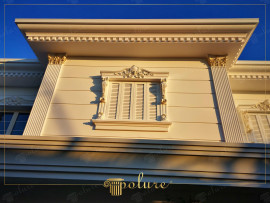
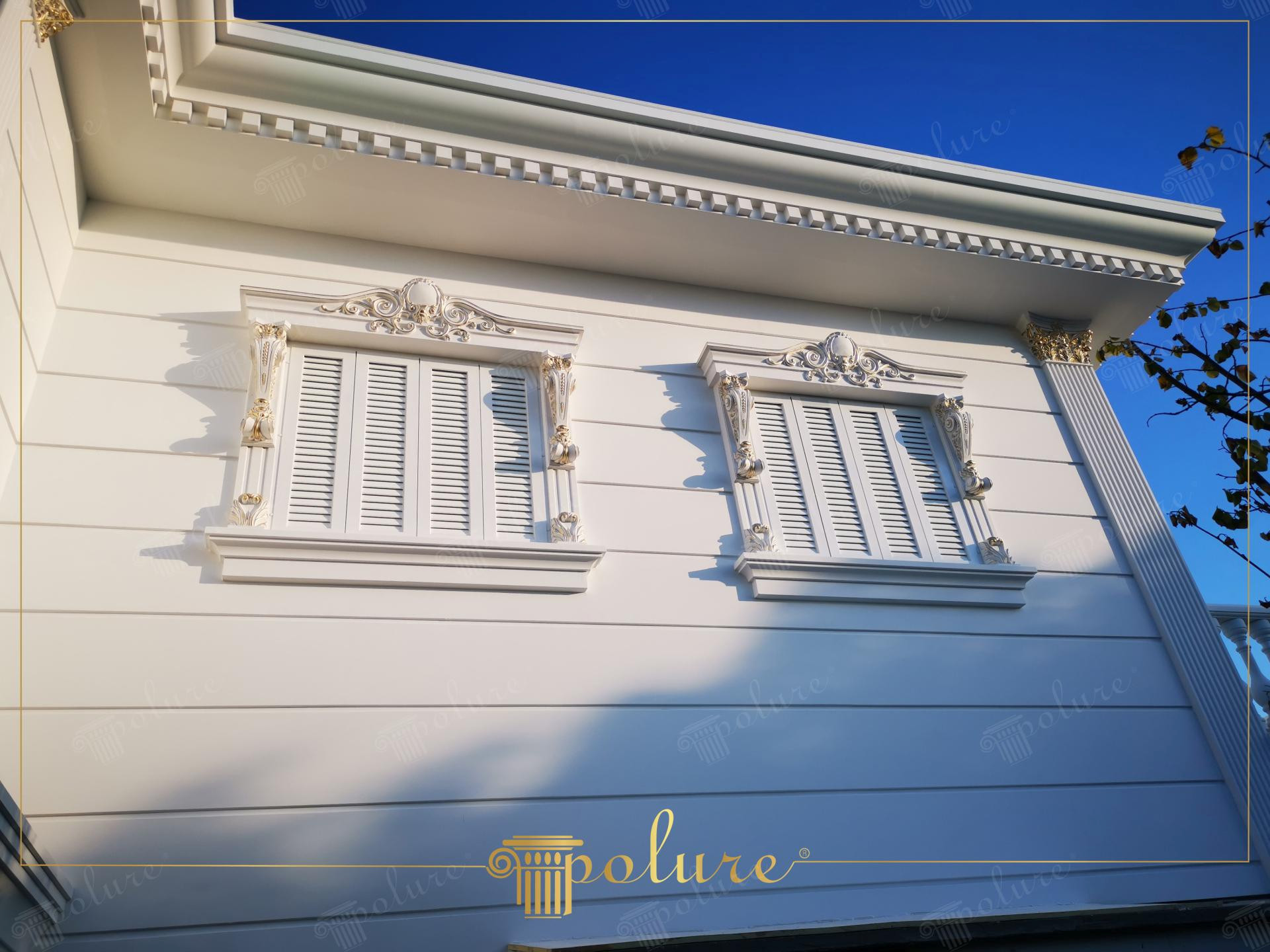
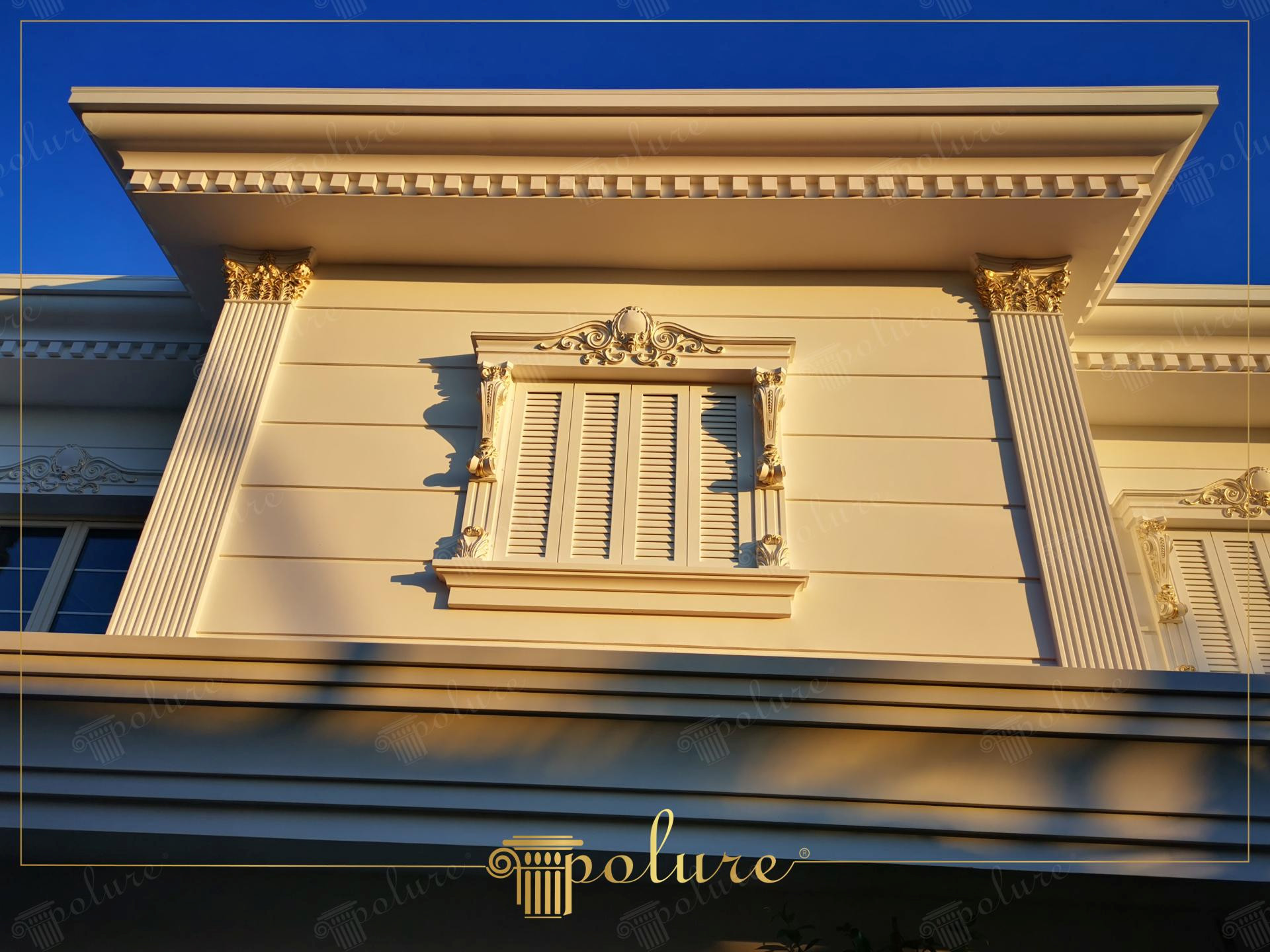
Polyurethane Classical Villa Facade DesignThe facade reveals a distinguished arrangement of polyurethane details that merge elegance with durability. The use of fluted pilasters on both sides frames the window area, enhancing vertical symmetry and reinforcing a sense of strength and refinement. Each pilaster is topped with gilded Corinthian-inspired motifs, bringing ornamental richness to the composition.The window shutters are surrounded by detailed scrollwork, and the crest above the lintel introduces an element of grandeur. The rhythmic grooves across the facade accentuate order and harmony, reflecting principles from ancient Greek and Roman architecture, where such geometric styling conveyed permanence and beauty.The cornices crown the facade with articulated moldings, while subtle golden highlights add contrast against the warm ivory base. This balance of strong geometric volumes and delicate embellishments creates a design that feels both timeless and contemporary.Historically, classical architecture emphasized symmetry, proportion, and decorative detail. By adapting these values with modern facade decoration technology, polyurethane elements allow architects to recreate sophisticated aesthetics with lighter, more resilient material.Geometric motifs emphasize harmony and order.Polyurethane ornaments combine lightness with detailed craftsmanship.Gold-accented scrolls highlight intricate artistry.Strong symmetry creates visual balance.Through these refined elements, the villa exterior becomes not only a structure but also a visual testament to artistic heritage reimagined for modern living. This villa facade demonstrates the elegance of using polyurethane in exterior decoration. The design combines fluted pilasters with golden ornamental capitals for a classical impression. A central shuttered window is framed with layered details that highlight proportion. The cornices are richly profiled, emphasizing rhythm and harmony. Decorative scrolls add intricate artistry to the otherwise linear geometry. Each pilaster enhances a sense of vertical balance. The golden accents contrast beautifully with the creamy facade color. The material allows for both durability and elaborate shaping. Classic European influences merge with modern production advantages. The geometric motifs showcase timeless architectural order. Symmetry remains the guiding principle in the composition. The facade evokes a blend of tradition and innovation. Historical references elevate the impression without overwhelming it. The result is a residence with elegant character. Polyurethane provides lasting beauty in classical exterior design.
Neoclassical Villa Design with Polyurethane Columns and Decorative Eaves
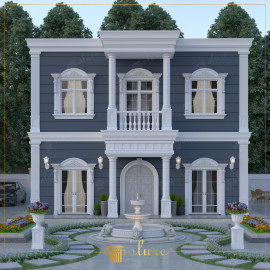
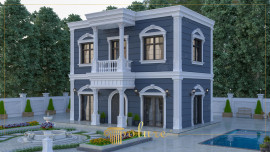
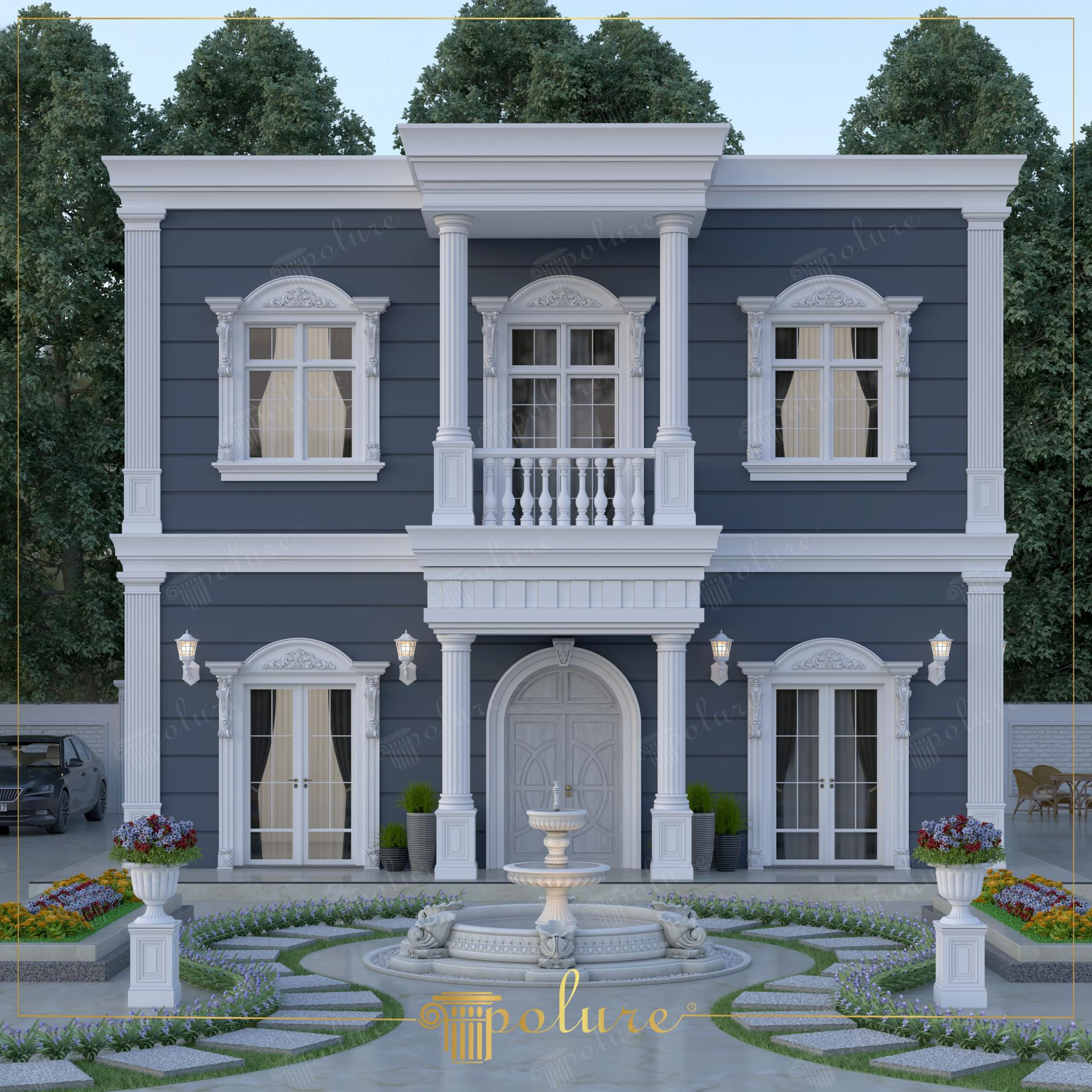
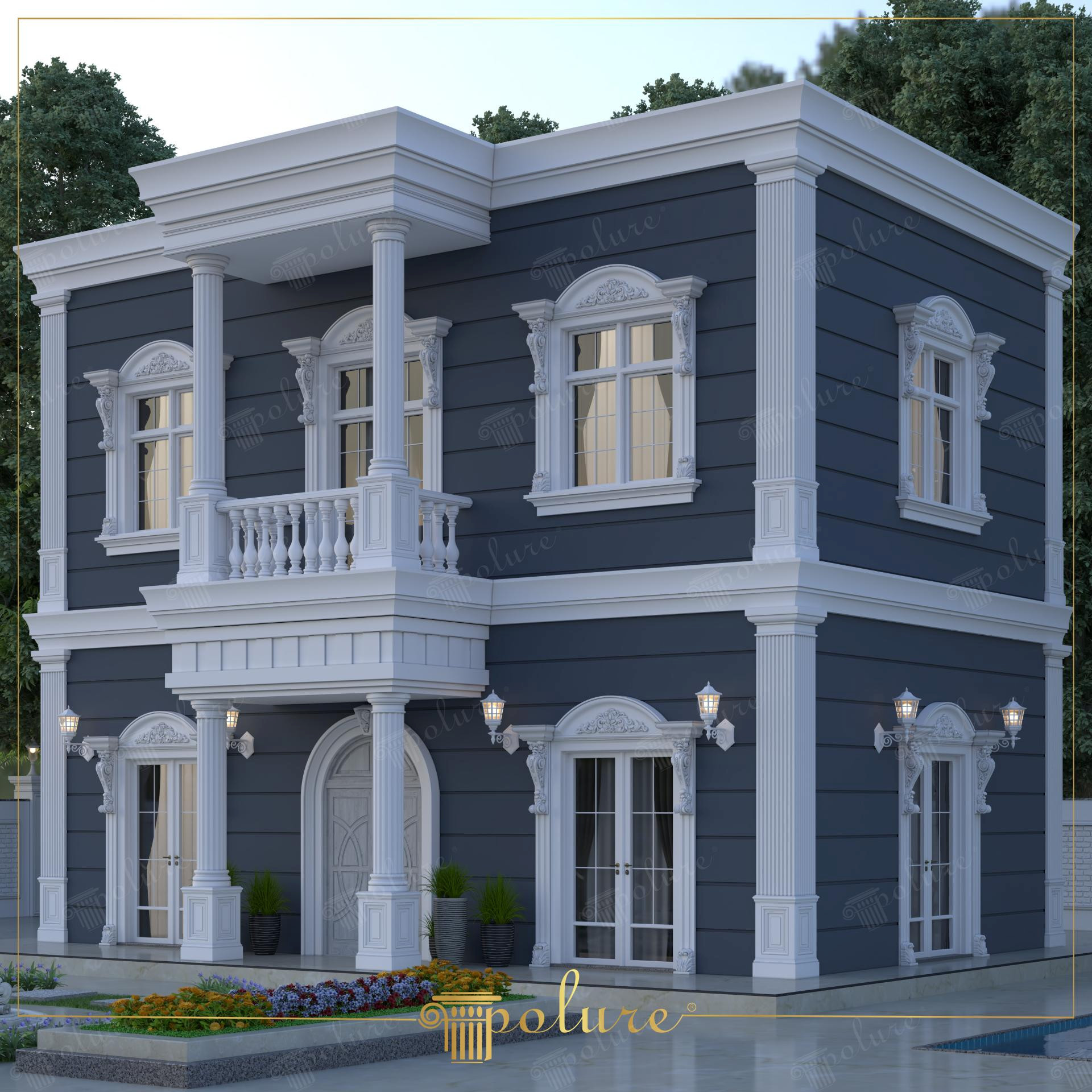
Elegance of Neoclassical Villa ArchitectureThe villa combines polyurethane, a versatile and durable material, with neoclassical design elements to create a façade rich in symmetry and grace. The choice of a deep gray-blue exterior contrasts beautifully with stark white decorative details, enhancing the sense of refinement.The main entrance is flanked by columns inspired by classical orders, featuring fluted shafts and ornamental bases. These structural accents not only introduce height but also frame the arched doorway with a strong sense of formality. Above the entrance, a balcony with a white balustrade creates rhythm while echoing ancient Roman and Greek architectural motifs.Each window is crowned with a triangular or curved pediment, a hallmark of neoclassical architecture, offering variety while maintaining unity across the façade. The detailed cornices and eaves emphasize horizontal balance, giving the building prominence and clarity.Historically, the use of Doric and Ionic columns symbolized strength and elegance in Greek and Roman temples. Here, polyurethane allows the same ornamental richness in a lighter, more resilient material adapted for residential use.The landscaped garden further strengthens the symmetry. A circular fountain at the center, surrounded by stone pathways and geometric flowerbeds, establishes harmony between architecture and nature. The use of decorative pedestals with flowers enhances the impression of luxury and order.Polyurethane columns with fluting and ornate capitalsSymmetrical window pediments and decorative trimsBalustrade balcony above the central entranceDetailed cornices providing sharp silhouette linesGarden fountain as the focal point of the landscapeThis design exemplifies how classical principles and modern materials meet, producing a villa that reflects grandeur, permanence, and artistic detail. This neoclassical villa highlights the harmony of balance and proportion in architecture. The façade displays polyurethane details for lasting durability. Classical columns add strength and rhythm to the entrance. Ornamental eaves bring sharp definition to transitions. Window pediments provide variation and unity. A circular fountain creates elegance at the garden’s core. Stone pathways lead symmetry into the landscape. Decorative pedestals emphasize geometric composition. The deep blue-gray wall contrasts with pure white trim. Historic references to Greece and Rome enrich the design. Polyurethane enables complexity with reduced maintenance. Relief ornaments enhance texture and visual depth. A balcony balustrade defines upper structure balance. Lush flowerbeds frame the stone geometry. This villa unites tradition and innovation seamlessly.
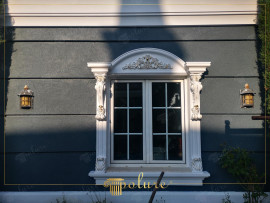
Elegant Polyurethane Window Frame with Classic Decorative Ornaments
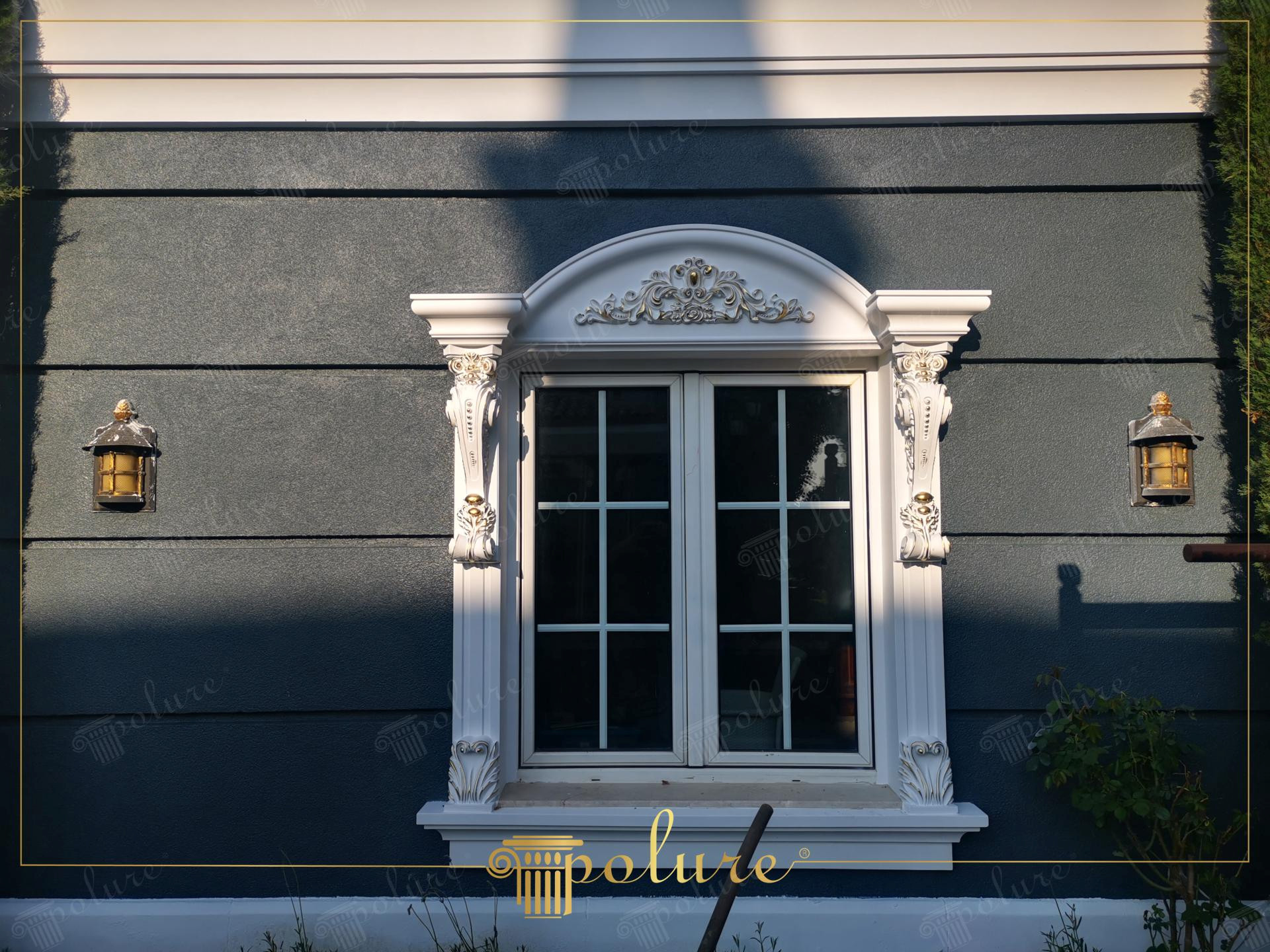
Polyurethane Classic Window DesignThe use of polyurethane decoration allows for both durability and detailed artistry in exterior design. This classical window frame is highlighted by intricate motifs, including acanthus leaf patterns and floral reliefs. The arch above the window softens the rigid lines while reinforcing a historical elegance reminiscent of neoclassical villas.The rich white ornaments create a crisp contrast against the dark gray wall surface, emphasizing both color depth and texture. The decorative elements include architectural motifs commonly associated with traditional villas, adding a refined sense of proportion.Historical InspirationInspired by the fundamentals of classical architecture, this design borrows from ornamental ideas seen in Corinthian and Baroque façades. In history, decorative window arches and pilasters held both symbolic and aesthetic roles, often representing wealth and artistry.The vertical pilasters on each side are enriched with floral ornaments, while the top arch features a central composition resembling classical reliefs. Combined, these details bring harmony to the villa exterior, framing the window with dignity.Design Balance and Visual EffectThe integration of ornamental lighting fixtures on both sides enhances the composition, while the balance of color and form communicates traditional charm with modern resilience. Overall, the design demonstrates how decorative façades can transform a standard exterior into an architectural statement.Durable polyurethane material resists weathering.Classic motifs provide timeless visual appeal.Contrasting colors emphasize details. This window design demonstrates how polyurethane offers durability while supporting classical artistry. The decorative frame includes detailed acanthus leaves and floral ornaments. A semicircular arch crowns the window, emphasizing a harmonious rhythm. The white details stand in contrast to the dark gray façade. Historical inspiration from Corinthian patterns is visible throughout the frame. Each vertical pilaster is enriched with sculpted reliefs. The composition represents timeless architectural motifs. Lanterns on both sides complement the ornamental design. This balance produces an elegant villa exterior. Decorative arches have long been a feature of classical design. Such details also increase the visual value of residences. The symmetrical placement reinforces order and refinement. The materials resist outdoor challenges effectively. Combined effects create a striking decorative façade. Overall, the design makes a villa exterior both grand and inviting.
Polyurethane Column Capitals with Classical Motifs for Elegant Interiors
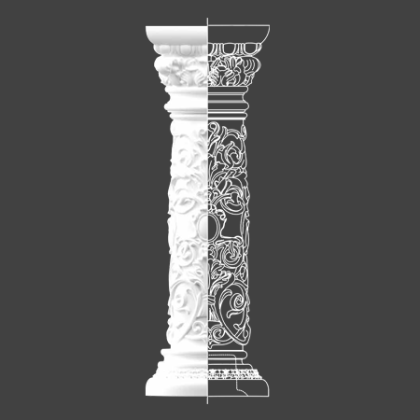
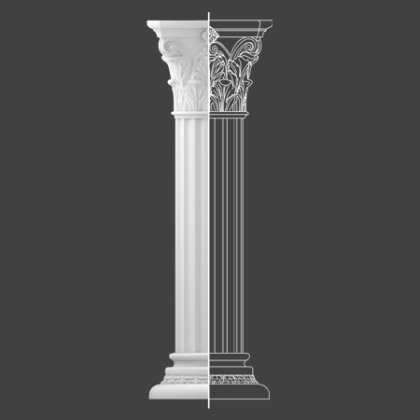
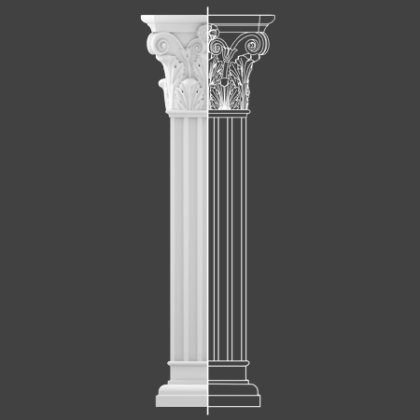
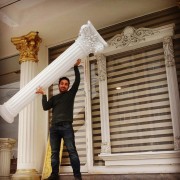
Classical Inspiration in Modern MaterialsPolyurethane column capitals draw inspiration from ancient Greek and Roman architecture, where fluted columns and decorative capitals defined the aesthetic of temples and grand halls. Today, these elements have been reimagined in lightweight polyurethane, which preserves the intricate detail while making installation far more efficient.Design Features and MotifsThe capitals often display Corinthian influences, such as sculpted acanthus leaves and spiraling volutes. Other models echo Ionic stylings, with finely curved scrolls that add refinement to any setting. The shafts of these columns are typically ribbed or fluted, enhancing their vertical elegance. Decorative patterns are precise, showing symmetrical foliage, layered scrolls, and fine geometric detailing.Some designs incorporate gold-painted highlights on details like leaf tips or fluted bases, providing a striking contrast against the pristine white body. These accents help create a distinguished and regal appearance without overwhelming the overall composition.Practical Applications in DecorationPolyurethane columns are a versatile choice in both residential and commercial spaces. Indoors, they frame entrances, fireplaces, or large windows with an air of classical sophistication. Outdoors, they add structure and beauty to facades, patios, and verandas. Coordinating them with ornate cornices and molded window frames creates a unified classical style in the overall architectural scheme.Historical NoteHistorically, fluted columns and elaborate capitals symbolized grandeur and order in ancient civilizations. By using modern materials, homeowners and designers are able to achieve a nod to this tradition while enjoying resilience and easy handling in contemporary construction. Polyurethane column capitals provide a refined way to incorporate classical design into modern spaces. These decorative elements often feature Corinthian and Ionic motifs such as acanthus leaves and volutes. Their use of lightweight polyurethane material makes installation practical while preserving delicate patterns. Fluted shafts emphasize verticality and add elegance to both interior and exterior settings. Gold accenting enhances the ornamental richness of the capitals. The motifs merge well with window moldings and decorative trims for a consistent classical look. Indoors, they elevate living rooms, halls, and entrances with architectural character. Outdoors, they frame porches and facades with timeless appeal. Polyurethane durability ensures resistance to moisture and wear compared to heavier stone models. Designers favor these pieces for achieving classical effects without structural challenges. They are easily paired with stucco, plaster, and wood for cohesive styling. Their ribbed geometry and symmetrical carvings create a rhythmic sense of order. Incorporating them adds regal ambiance without overwhelming a space. They maintain crisp detail even after long-term exposure to weather. The capitals represent a balance between ancient inspiration and modern craftsmanship. Their decorative use reconnects contemporary structures with enduring historical beauty.
Neoclassical Villa Exterior with Polyurethane Decorative Details
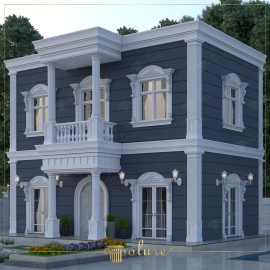
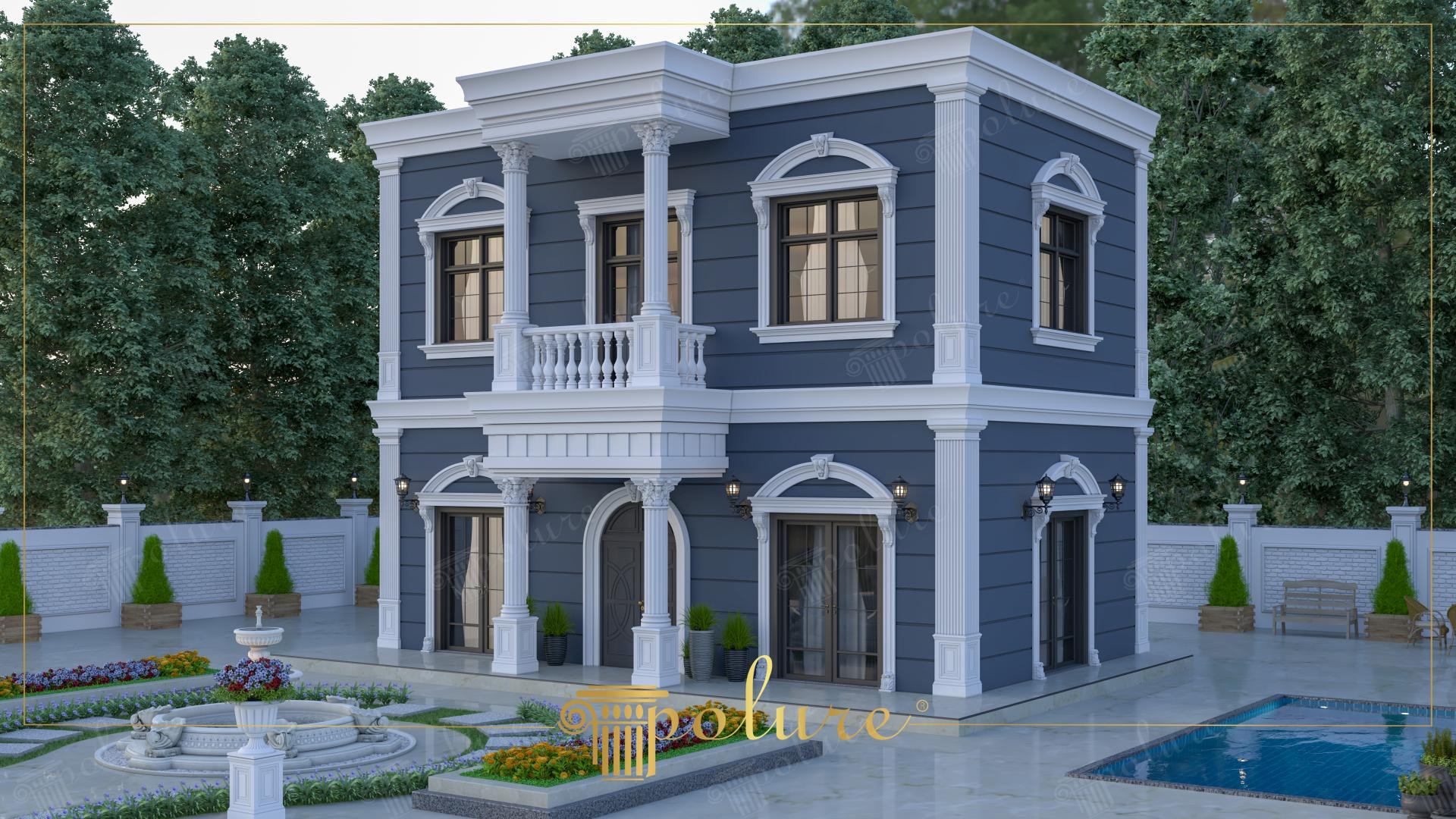
Neoclassical Villa Design with Polyurethane DetailsThe use of polyurethane in villa façades enhances both visual aesthetics and structural durability. In this neoclassical villa design, the exterior walls are painted in deep navy tones while brilliant white decorative elements provide contrast and harmony.The façade showcases columns with classical inspiration, supporting a balcony framed by a balustrade of finely carved spindles. Above the doors and windows, ornamental arches enriched with floral motifs and reliefs emphasize historical refinement. Such compositions recall Renaissance interpretations of Roman architecture, where grandeur and precision coexisted.Symmetry is a key principle in neoclassical architecture, highlighted here through the repeated alignment of windows, pilasters, and lantern placements. The design employs polyurethane moldings to ensure lightweight yet sharp carvings that replicate traditional stone while being more practical.The balcony’s geometric rhythm, the spindled balustrade, and the cornice details present a dialogue of linear and curvilinear forms. These enrich the façade with depth while remaining weather resistant thanks to modern materials. The play of dark background and white accents further strengthens this composition.Polyurethane columns with detailed capitals emphasize verticality.Decorative window crowns feature arches and floral relief patterns.Balustrades present repetitive classical spindles for ornamental texture.Integrated lighting highlights façade geometry and decorative emphasis.This design demonstrates how classical heritage and modern materials merge effortlessly, bringing timeless elegance to contemporary villas. This neoclassical villa showcases the refined use of polyurethane for durable decorative detailing. The deep navy façade contrasts strongly with white ornamental frames. Columns arranged with precise symmetry enhance vertical proportions. A balcony outlined with spindle balustrades reflects classical rhythm. Window crowns carry expressive floral motifs with intricate reliefs. Doorways framed by pilasters create a stately presence. Wall lanterns enrich the setting with symmetrical lighting accents. Linear grooves on pilasters highlight architectural rhythm. The design recalls Roman and Renaissance legacies elegantly. Cornices strengthen the upper frame with clean profiles. Relief geometry gives texture and depth to flat surfaces. Polyurethane ensures resilience against weather exposure. The balance of modern practicality and historical aesthetics stands out. This approach shows how neoclassical architecture adapts to today’s needs. The result is a timeless residence where artistry and modern materials coexist seamlessly.
Polyurethane Facade with Classic Hotel Style and Ornamental Diversity
Elegance of Polyurethane Exterior DesignThe use of polyurethane in exterior decoration introduces both durability and adaptability, providing a classical aesthetic that reflects the grandeur of historic hotel facades. The cream-toned wall surface serves as a subdued backdrop, emphasizing the crisp white details of the ornate moldings.The windows are framed with ornamental scrollwork, enriched by volute-like curves and floral intricacies reminiscent of Renaissance revival influences. Balconies are enhanced with wrought iron painted in gold, showcasing detailed motifs that evoke opulence and traditional craftmanship.Architectural Detailing and Historical TouchesSlender columns with Corinthian-inspired capitals and elaborate base carvings bring vertical rhythm to the facade. These decorative columns are not purely structural but also act as key aesthetic anchors. Historically, such classical detailing finds roots in Greco-Roman architecture where proportion and ornament defined prestige and harmony.The facade demonstrates repetition and balance: symmetrical placement of windows, ornate surrounds, and carefully sculpted cornices create a consistent architectural language. Together, these elements form a composition that enhances visual diversity and classical identity.Design Harmony and InspirationThe combination of polyurethane elements with muted surfaces illustrates how modern materials reinterpret centuries-old styles. Designers and homeowners can draw inspiration from its ornamental columns, fine relief carvings, and decorative scrolls, which transform ordinary structures into elegant landmarks. By uniting artistic geometry with functional exterior solutions, this model provides a versatile guide for contemporary classical facade applications. This polyurethane facade design reflects classical hotel charm. The cream walls support intricate details. White framing molds emphasize geometry. Balconies feature golden wrought iron. The decorative columns add rhythm. Carved floral patterns enrich surfaces. Ornamental scrolls adorn window tops. The balance is both elegant and durable. Historical references are evident. The polyurethane material guarantees longevity. Decorative cornices frame levels. Repeated structures create uniformity. Golden motifs highlight opulence. Sculpted reliefs enhance interest. This composition inspires versatile classical applications.
Neo-Classical Villa Exterior with Polyurethane Decorative Elements
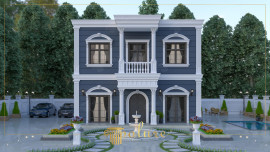
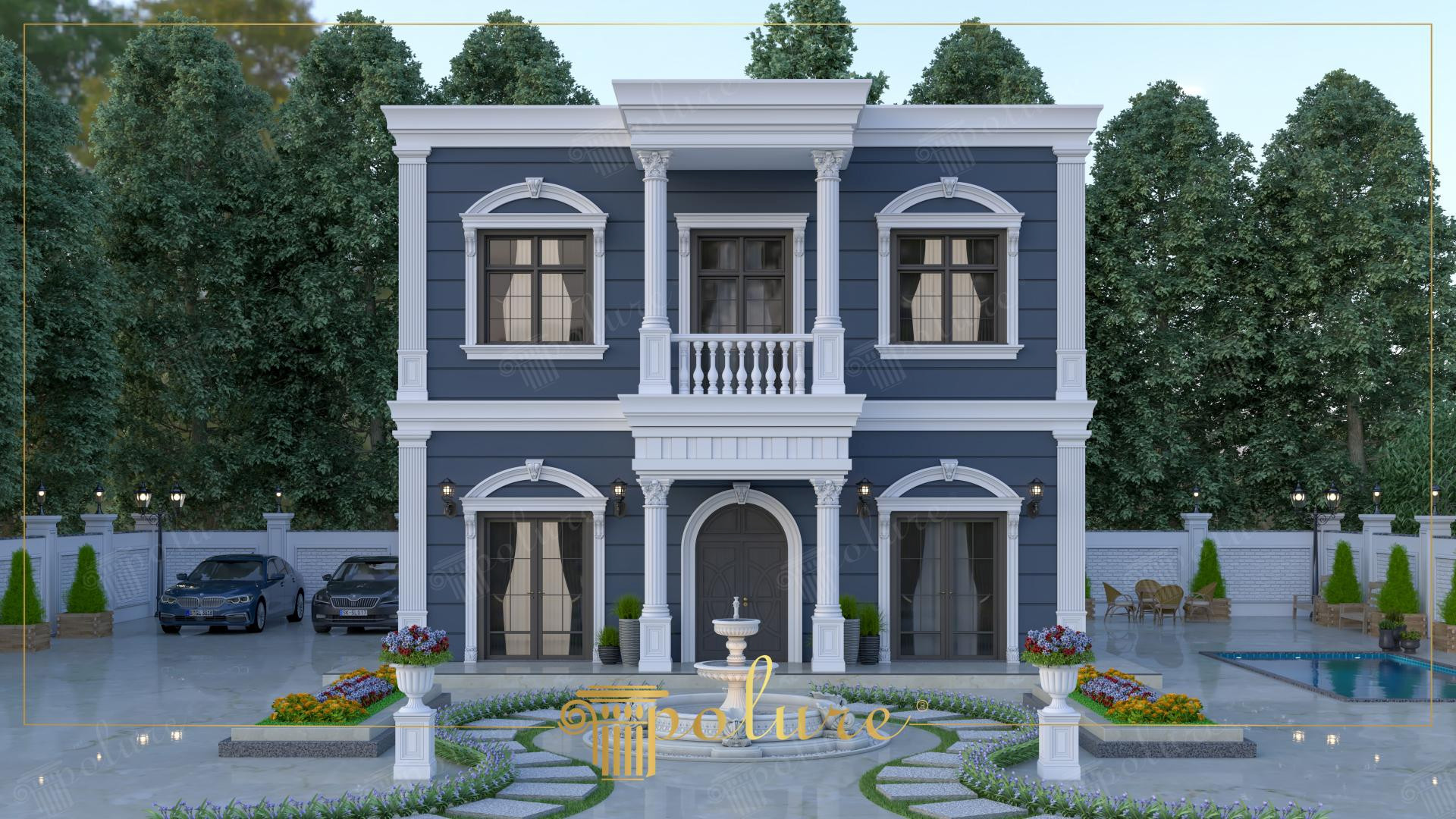
Elegant Neo-Classical DesignThe villa represents a harmonious application of neo-classical principles, balancing proportion and symmetry. Its bold facade combines dark blue surfaces with brilliant white polyurethane ornamentation, creating timeless contrasts suitable for luxury living. Columns with fluted details stand tall on both sides of the entrance, supporting an intricately designed balcony framed with balustrades.Above each window and doorway, arched surrounds highlight the influence of historical architecture. This design references Greco-Roman traditions, where decorative pediments and architraves emphasized formality and structure. Even the capitals of the columns feature subtle motifs resembling Corinthian finesse, modernized for a residential scale.Geometric and Ornamental DetailsThe front garden extends the elegance of the facade through detailed landscaping. A central fountain anchors the courtyard, while geometric stepping stone pathways radiate outward, bordered by carefully arranged flowerbeds. Large urn planters further accentuate the villa's symmetry, echoing the column motifs found on the building itself.Polyurethane moldings allow precise execution of cornices, frames, and relief work without the heavy maintenance of stone. This lightweight yet durable material supports contemporary construction while ensuring visual fidelity to classical ornamentation. Subtle decorative motifs along the cornices and arches enrich the visual rhythm without overwhelming the neat geometry of the facade.Historical InspirationThe use of columns and arches connects this design with ancient Roman villas, which emphasized order, grandeur, and decorative geometry. By merging such traditions with modern materials, the villa achieves a timeless identity, giving homeowners the impression of living inside a piece of architectural history updated for present-day comfort. This neo-classical villa design demonstrates how polyurethane details enhance both durability and beauty. The dark blue facade contrasts elegantly with white decorative cornices and columns. The symmetrical arrangement highlights the influence of Greco-Roman architecture. Ornamental arches above the windows emphasize refined geometry. A central balcony framed with balustrades adds depth to the exterior. Garden elements include a round fountain that anchors the courtyard design. Stepping stone patterns create an artistic walkway leading to the entrance. Carefully arranged flowerbeds support the classical symmetry of the house. Geometric framing around the windows provides balance with decorative motifs. The column capitals offer subtle reference to Corinthian styles. Polyurethane moldings replicate stone while remaining practical for modern building. The ornamental cornices define clean horizontals across the facade. The courtyard design integrates greenery with structured layouts. Overall, the villa blends history with innovation. The result is a residence that feels sophisticated and durable.
Polyurethane Corbels and Classical Interior and Exterior Decoration Designs
Elegance of Polyurethane Corbels in Classical DesignPolyurethane corbels embody a fusion of artistry and practicality, echoing the grandeur of historic classical interiors and exteriors. Their intricate carvings draw inspiration from motifs like acanthus leaves, spiral scrolls, and fluted shafts. These structural and decorative elements have been a hallmark of classical architecture, particularly in Doric, Ionic, and Corinthian orders, where symmetry and proportion played a crucial role.The wall installation showcases a variety of richly detailed corbel designs, arranged in radial composition to highlight diversity of form. Deep-carved grooves, swirling volutes, and layered floral ornaments give these elements a sculptural presence. The monochromatic white finish enhances shadow play, emphasizing the texture and dimensionality of each pattern, while recalling the purity of marble-like aesthetics.Historically, corbels were used to project weight outward and transfer loads from ceilings or arches, often ornamented to feature symbolic or decorative significance. Polyurethane versions preserve this symbolic artistry while offering practical benefits like durability, lightweight handling, and resistance to moisture. Their versatile use ranges from supporting shelves and mantels to embellishing columns, archways, and panel moldings.In contemporary interiors, these decorative motifs enrich design narratives by combining classical tradition with modern materials. The geometric rhythms and sculptural details create a dialogue of refinement, making them suitable for both palatial halls and contemporary apartments seeking decorative character. Polyurethane corbels combine authenticity with practicality in classical decoration. They highlight fine ornamentation such as acanthus motifs and scroll patterns. The radial arrangement demonstrates variety and artistry in design. The white palette enhances shadow depth and intricate reliefs. These forms echo Doric, Ionic, and Corinthian traditions. Historically, corbels supported projections and infused symbolic meaning. Modern polyurethane versions ensure durability and lightness. They mimic stone or wood without heavy weight. Such pieces enrich interiors with refined sculptural presence. They allow versatility in contemporary projects. Perfect for hallways, columns, and arches, they elevate style. Their ornamental geometry creates rhythm and dimension. Designers value their subtle but strong decorative effect. The carved surfaces add timeless sophistication. They show how modern materials sustain classical aesthetics.
Polyurethane Exterior Window Molding with Classical Villa Elegance
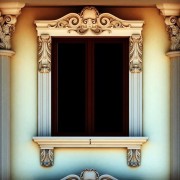
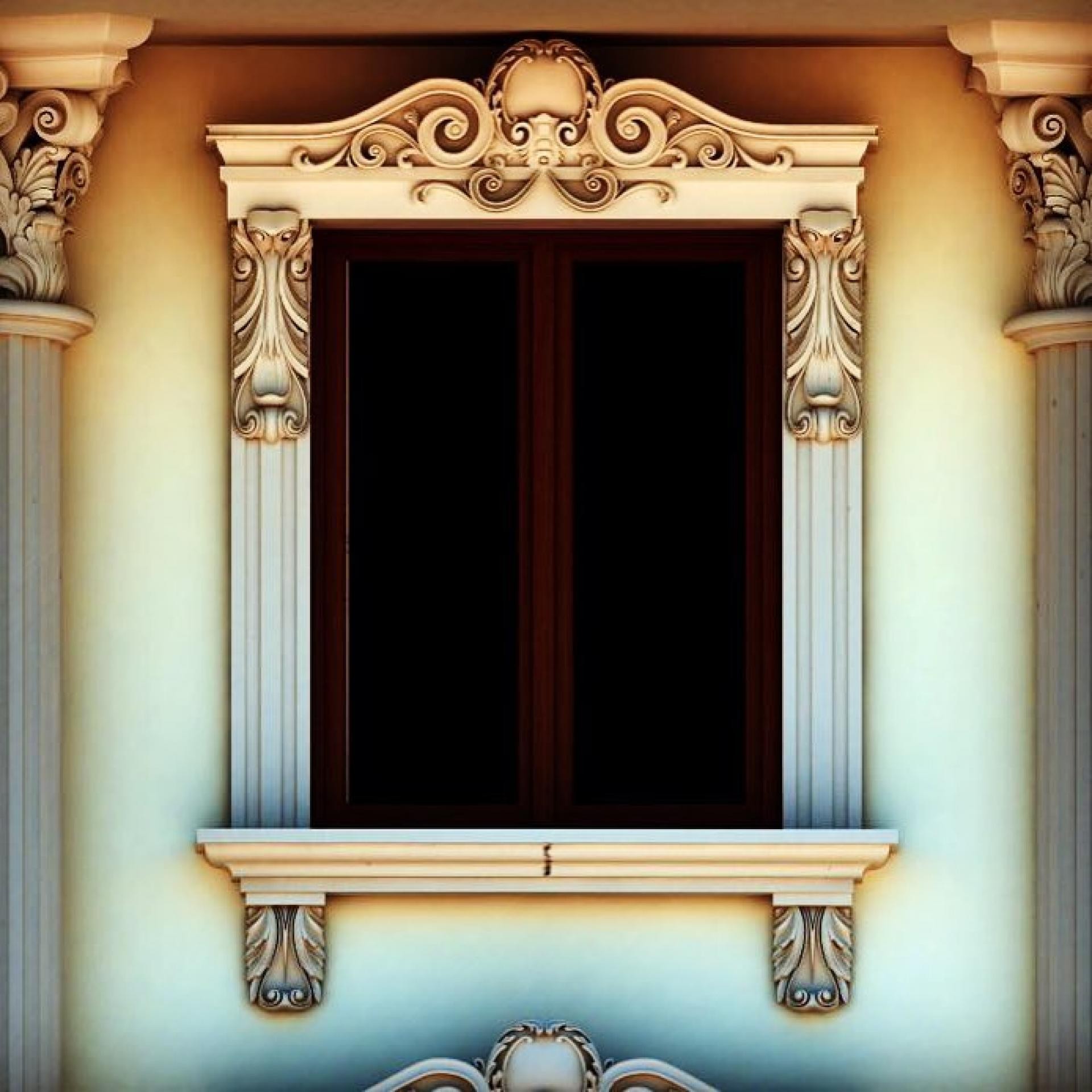
Classical Inspiration for Modern Exteriors The polyurethane exterior window molding draws direct inspiration from classical architecture, where ornate details were once carved in stone. Here, lightweight polyurethane replicates the grandeur of ancient villas and palaces with effortless practicality. The meticulous ornamentation demonstrates flowing volutes, acanthus leaf motifs, and a subtly curved pediment that highlights the window frame with distinction. The structure is framed by fluted pilaster-like borders that recall columnar designs from antiquity. Supporting the lower sill are small corbel-like forms with precision-carved foliage patterns, offering both visual weight and delicate balance. The top section creates a strong focal point with symmetrical scrollwork, which softens the rectangular outline of the window and enhances architectural harmony. In villa design throughout Europe, decorative molding often served as a symbol of refinement. This polyurethane solution carries that tradition forward, blending historical motifs with contemporary endurance. Resistant to weather changes, the material maintains both its detail and elegance. This makes it suitable not only for traditional villas but also for modern residences seeking exterior depth through classical decoration. Overall, the composition achieves both structure and artistry: fluted frames convey order, while swirling reliefs elevate creativity. The use of polyurethane ensures these intricate forms remain durable, lightweight, and easy to integrate, embodying both elegance and functionality. This polyurethane window molding is crafted with a strong sense of classical villa refinement. The upper pediment integrates organic scrollwork and volutes to provide balanced composition. Fluted lines along the vertical frames emphasize order and symmetry. Corbel-like supports under the sill add depth and visual weight. The acanthus-inspired carvings reinforce a timeless decorative character. Each element demonstrates skilled interpretation of historic motifs. Polyurethane ensures long-term durability without heavy masonry. It allows intricate ornamentation to remain lightweight. Such designs bring dignity to both villas and modern façades. The relief detailing transforms a flat wall into architectural sculpture. This molding elevates the window as a central focal point of the exterior. Its decoration bridges tradition with contemporary convenience. The carved motifs establish a narrative of elegance. With strong balance between structure and artistry, this design embodies cultural continuity. The harmonious composition reflects the aesthetic ideals of classical architecture.
Neoclassical Villa Exterior Design with Polyurethane Decorative Elements
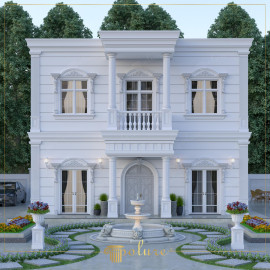
Neoclassical Villa with Polyurethane Exterior ElementsThe design of this villa showcases a neoclassical exterior style that blends symmetry, geometry, and refined details. Polyurethane elements are used to create the columns, architraves, and cornices, giving the facade both durability and precision in ornamentation. The light tones of the facade highlight the contrast between shadow and relief, emphasizing the sculptural effect of its classical vocabulary.The central entrance is emphasized by a rounded arch doorway framed with detailed pilasters. Directly above it, a balcony with baluster railings creates a strong focal point. The repetitive rhythm of decorative arched frames above the upper-level windows reflects the influence of ancient Greco-Roman architecture, where such geometries symbolized proportion and harmony.The double-height columns with delicate capitals recall the Corinthian order, adding an elegant sense of verticality to the villa. Historically, such columns were developed in ancient Greece around the 5th century BCE and later adopted by the Romans in grand public and private structures. This reference strengthens the sense of cultural continuity embedded in the design.The landscape design enhances the neoclassical atmosphere with a central fountain, ornamental stone pathways arranged in circular curves, and carefully placed flowerbeds. The use of symmetry between the green zones, plant pots, and decorative urns gives consistency to the outdoor composition.Externally, elements like polyurethane moldings, structured pilasters, and layered cornices ensure refined detailing without vulnerability to outdoor conditions. Combined with the villa's balanced proportions and decorative depth, the overall design creates a luxurious yet timeless dwelling. This villa exterior embraces a neoclassical character defined by balance, harmony, and ornamented geometry. The composition makes use of tall columns with Corinthian motifs, framed arches, and polyurethane decorative details. The white facade highlights shadow and relief, enhancing its sculptural qualities. At the center, a symmetrical arrangement with a balcony and grand doorway adds prominence. Above the windows, arched motifs reinforce classical rhythm. The surrounding landscaping introduces a fountain as a focal point. Circular patterns in the stone pavement echo geometric discipline. Flowerbeds add a vibrant contrast to the monochrome facade. Outdoor planters and urns contribute elegant accents. Structural symmetry provides both serenity and authority. Polyurethane elements ensure durability alongside refined detailing. The window and door frames emphasize proportion and repetition. Cornices underline the horizontal balance of the facade. The overall design merges historical references with modern precision. This neoclassical villa offers a luxurious yet timeless expression.
Neoclassical Villa Design with Polyurethane Details Showcasing Elegance and Grace
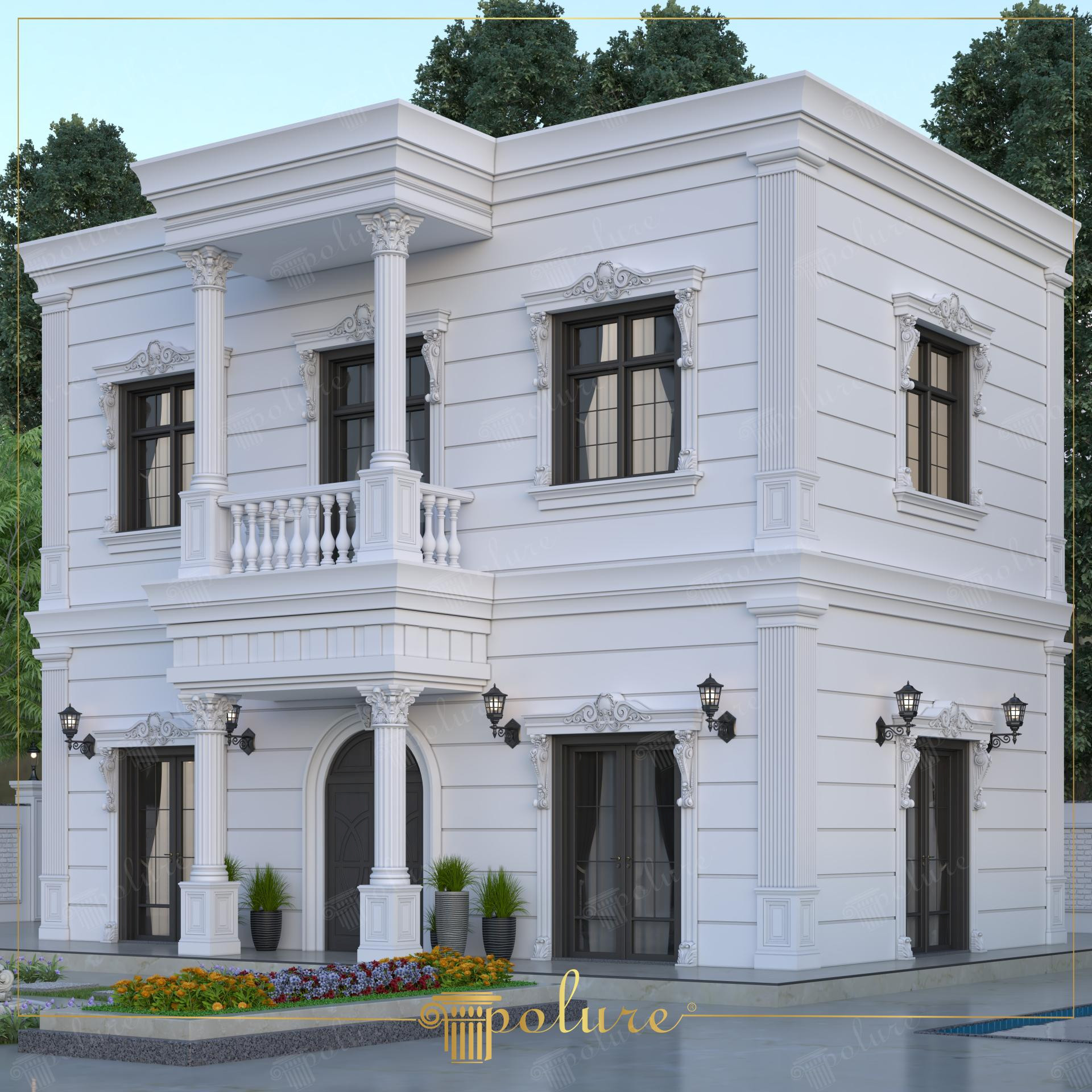
Neoclassical Expression with Polyurethane Grace The villa showcases a neoclassical composition defined by vertical order, symmetry, and careful detailing. The facade is designed with polyurethane profiles that replicate the decorative richness of traditional stone but with a lightweight, durable structure. The two-story exterior highlights columns that frame the entrance and support a balcony adorned with elegant balustrades. The door and window surrounds feature ornamental motifs such as floral reliefs, arch keystones, and intricate linear grooves, emphasizing balance and rhythm. In classical history, columns and pilasters were essential in defining harmony in architecture, with Ionic and Corinthian styles influencing modern designs. This villa adapts those ideas with polyurethane elements, allowing for crisp geometric lines and refined surface details without the burden of heavy material. The façade integrates geometric patterns across wall panels, ensuring order and repetition in design. Symmetry is carefully preserved between left and right sections, while decorative cornices crown the structure with subtle shadow play. Upper-level balcony balustrades provide rhythm and continuity. Entrances are emphasized with columns and arch details. Window frames include floral rosettes and linear moldings. This balanced design merges historical echoes with modern innovation, presenting a villa that is both sophisticated and structurally efficient. This neoclassical villa demonstrates refined architecture merged with modern innovation. The use of polyurethane enables lightweight yet detailed construction. The elevation is characterized by tall columns supporting a central balcony, creating a visually striking entrance. Elegant balustrades highlight proportional harmony across the upper floor. Window frames include ornamental motifs such as rosettes and arch keystones. Repetitive geometric paneling enforces order and rhythm in the design. Structural details follow the timeless principles of symmetry and balance. Decorative cornices crown the villa, offering both function and aesthetic beauty. Polyurethane makes maintenance simpler while preserving elegance. The façade integrates floral reliefs that add subtle artistry to its surfaces. Historical echoes of Ionic and Corinthian influences inspire the composition. Crisp geometric patterns stand out across the external framework. Pilasters at the edges enhance both verticality and articulation. The villa becomes a fusion of durability and sophistication. This design exemplifies how tradition and modernity can coexist gracefully.
Elegant polyurethane facade design with classical detached elements
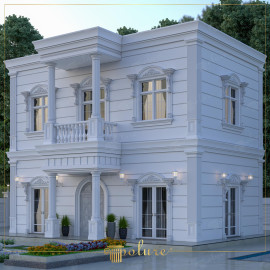
Polyurethane Facade Elements in Classical ArchitectureThe use of polyurethane in facade design allows architects to replicate historical aesthetics with lightweight and durable materials. In the presented design, polyurethane is shaped to form articulated cornices, pilasters, and embellished window frames. These details echo the refinement of classical villa architecture while maintaining modern functionality.Carefully crafted ornaments above each window include floral and geometric motifs. These decorations provide a three-dimensional relief effect, catching natural light and enhancing the building’s visual elegance. The facade integrates column-like elements at the corners, reminiscent of the Corinthian order, which has been a hallmark of grandeur since ancient Greek and Roman times.Pattern and Motif IntegrationThe design highlights symmetry through repeated window shapes and vertical pilaster lines. Small yet detailed rosettes and decorative moldings frame each window, while balustrade-like cornices separate the floors with subtle rhythm. The articulation of the upper pediment incorporates a semi-circular arch form, a motif often found in neoclassical townhouses of the 19th century.Historically, such motifs were carved from stone or stucco, but polyurethane today provides a practical yet equally refined alternative. The facade balances tradition with technology, ensuring both resilience and elegance.Decorative Rhythm and EleganceThe interplay of smooth surfaces, frame reliefs, and consistent ornamental motifs creates a harmonious visual rhythm. White and neutral tones amplify the formal language of the structure, emphasizing its timeless monumentality. Efficient assembly of polyurethane elements enables cost-effective projects without compromising on classical identity. The facade demonstrates the elegance of polyurethane in classical architecture. Each detail reflects a refined approach to design. The upper section integrates a semi-arched pediment with subtle ornaments. Decorative geometric motifs provide depth across smooth wall surfaces. Window frames include floral shaping consistent with neoclassical refinement. Cornices and pilasters build vertical balance and harmony. The rhythm of ornamentation enhances perception of proportion. White tones highlight the purity of the architectural vocabulary. Polyurethane enables lightweight yet durable articulation. Such facades connect modern materials with historic heritage. Historical references include Corinthian and neoclassical inspiration. The result is a harmonious mixture of tradition and technology. Decorative reliefs capture natural light dramatically. Ornamental motifs elevate otherwise plain areas. This design embodies timeless elegance and functional adaptation. The facade remains resistant while inspiring with classical grandeur.
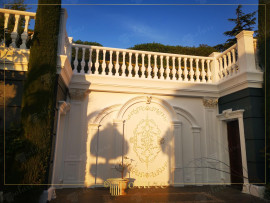
Classic Villa Facade with Polyurethane Decorative Elements and Elegant Balustrades
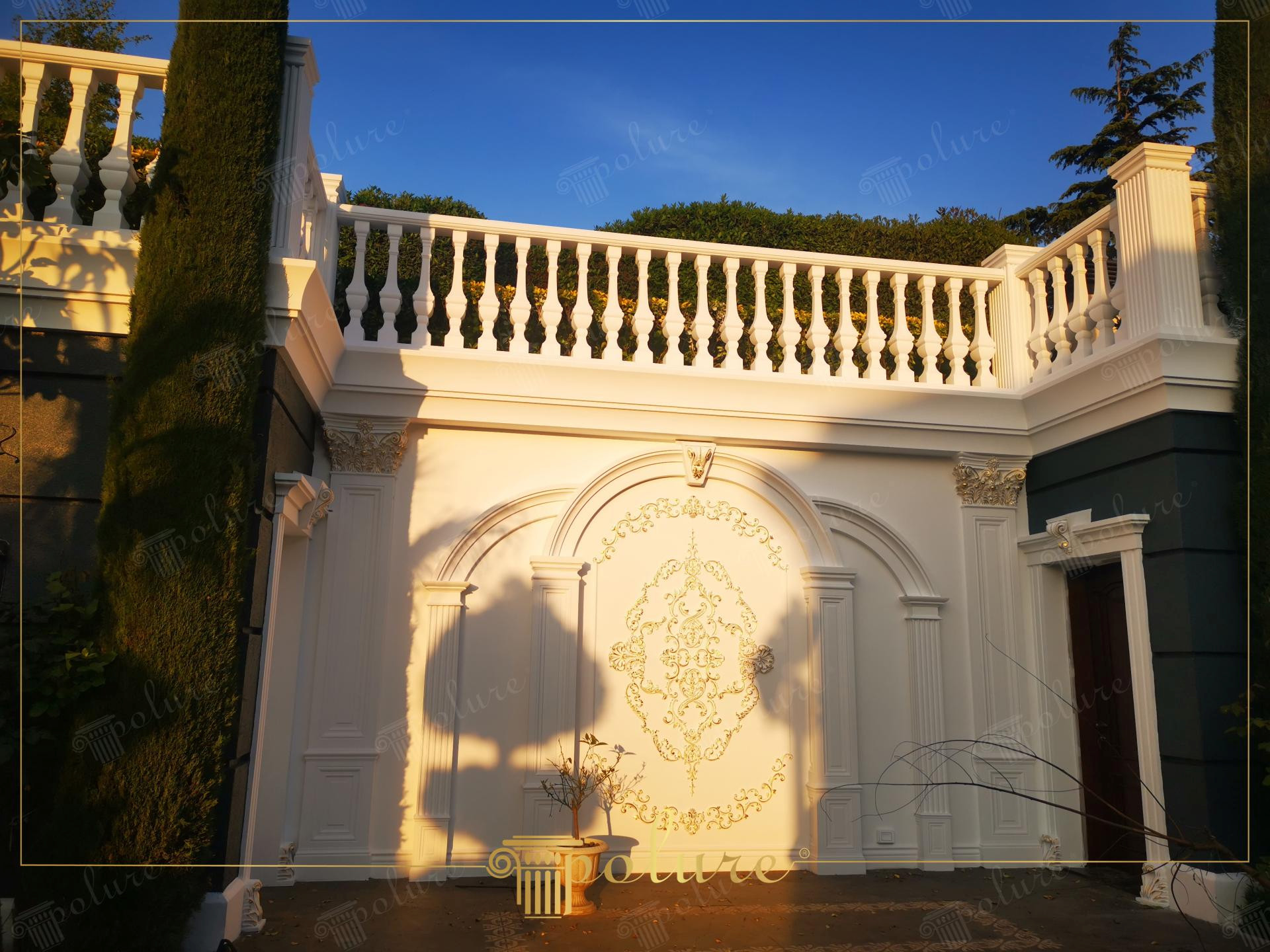
Classical Exterior Decoration with PolyurethaneThe facade of this villa demonstrates how polyurethane decorative solutions can transform an exterior into a timeless architectural statement. The grand entrance is framed with arch-shaped moldings, fluted pilasters, and ornamental motifs that reflect a refined classical style. Delicate floral patterns, highlighted with subtle golden accents, bring sophistication to the exterior composition.The upper section is adorned with a continuous line of balustrades, which creates a sense of rhythm and harmony. Balustrade elements, historically used in Renaissance and Baroque architecture, reinforce the villa’s standing as a symbol of stability and aesthetic refinement. Polyurethane materials provide durability, lightweight handling, and long-lasting resistance against weather, making them ideal for such designs.The central gate features symmetrical floral scrolls and geometric flourishes, influenced by neoclassical traditions. The archway above is accentuated with precise curvature and provides visual depth while framing the entrance elegantly. Subtle relief carvings emphasize proportion and symmetry, echoing historical elements seen in Corinthian capitals or Ionic orders. These features demonstrate how polyurethane allows for delicate ornamentation that would otherwise be heavy or fragile in stone.Contrasting color panels at the corners highlight the white decorative surfaces, enhancing the perception of depth and grandiosity. This balance of dark and light tones generates a distinct curb appeal, suitable for a residence that emphasizes traditional prestige while using modern materials.The composition as a whole demonstrates how modern fabrication techniques can replicate intricate motifs with precision, ensuring excellence in both visual quality and practical performance. This villa facade showcases a harmonious use of polyurethane elements combined with classical design ideals. The crisp white exterior is accented with rich floral ornamentation around the entrance. The rhythm of the balustrades provides architectural consistency and grand elegance. Arched moldings frame the entrance with neoclassical influences. Golden floral motifs emphasize luxury through subtle detailing. Contrasting darker wall sections create visual depth. Polyurethane ensures durability against weather while remaining lightweight. Repeated geometric motifs highlight precision in design. Historical inspiration can be seen in column shapes reminiscent of Ionic tradition. Decorative reliefs above the arch refine the central focus of the facade. Symmetry shapes the entire entrance ensemble. The design fuses modern practicality with timeless artistry. Sculpted surfaces enhance light and shadow play elegantly. The balustrade row emphasizes rhythm and identity. Overall, the result is a villa facade of lasting classical charm.
Polyurethane Classical Facade and Decorative Molding for Elegant Villa Exteriors
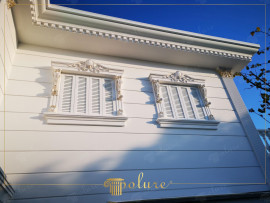
Timeless Elegance with Polyurethane Facade ElementsThe use of polyurethane in classical villa facades allows intricate decorative details without the structural weight of stone. Cornices with repeating dentil patterns create a rhythmic geometry that frames the building elegantly. Windows are accentuated with carefully molded surrounds, adding shadow depth and distinctive relief. This approach delivers both visual richness and reduced maintenance.Architectural Motifs and SymmetryEach window incorporates ornamental brackets resembling stylized columns with acanthus-like details at their bases. Above the shutters, floral scrolls and shell motifs enhance the neoclassical aesthetic. Gold accents highlight small reliefs, enhancing the sculptural character and creating subtle contrasts against the white backdrop. The repetition of these motifs supports a balanced architectural rhythm across the facade.A Short Historical NoteClassical architectural decoration, inspired by ancient Greek and Roman forms, often included dentil moldings, Corinthian influences, and decorative pediments. Polyurethane technology now makes it possible to reproduce these motifs with precision while offering durability against weather conditions.Practical BenefitsBesides aesthetics, decorative molding crafted from polyurethane is lightweight, easy to install, and resistant to outdoor elements. This makes it an ideal choice for homeowners seeking a noble and elegant atmosphere without costly stonework. The facade illustrates how ornamental design can merge tradition and modern construction techniques. Classical villa design often emphasizes harmony, and polyurethane siding makes this possible with precision. The cornices feature dentil patterns that add rhythmic geometry to the facade. Window surrounds include symmetrical brackets that echo the strength of classical columns. Above each window lies scrollwork that softens the straight lines with ornamental curves. The shutters enhance contrast against the surrounding decorative molding. Golden accents at the bases of the brackets highlight small sculptural details. This balance of white planes and shining highlights conveys luxury. The crisp shadow lines created by the relief work enhance the depth of each element. Polyurethane provides the advantage of lightness compared to traditional stone. Its durability offers long-term resistance to weather. Architectural motifs remain sharply defined under varying light conditions. Historical inspiration is obvious in these neoclassical references. The interplay of symmetry and proportion ensures elegance. Such design merges functionality and aesthetics seamlessly. This exterior demonstrates how polyurethane, facade elements, ornamental design, and decorative molding create enduring beauty.
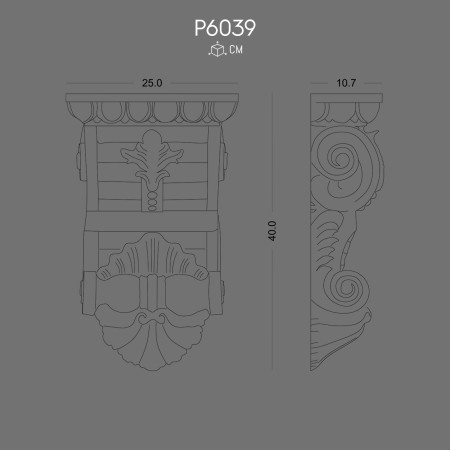
P9927 Bracket Outdoor Design
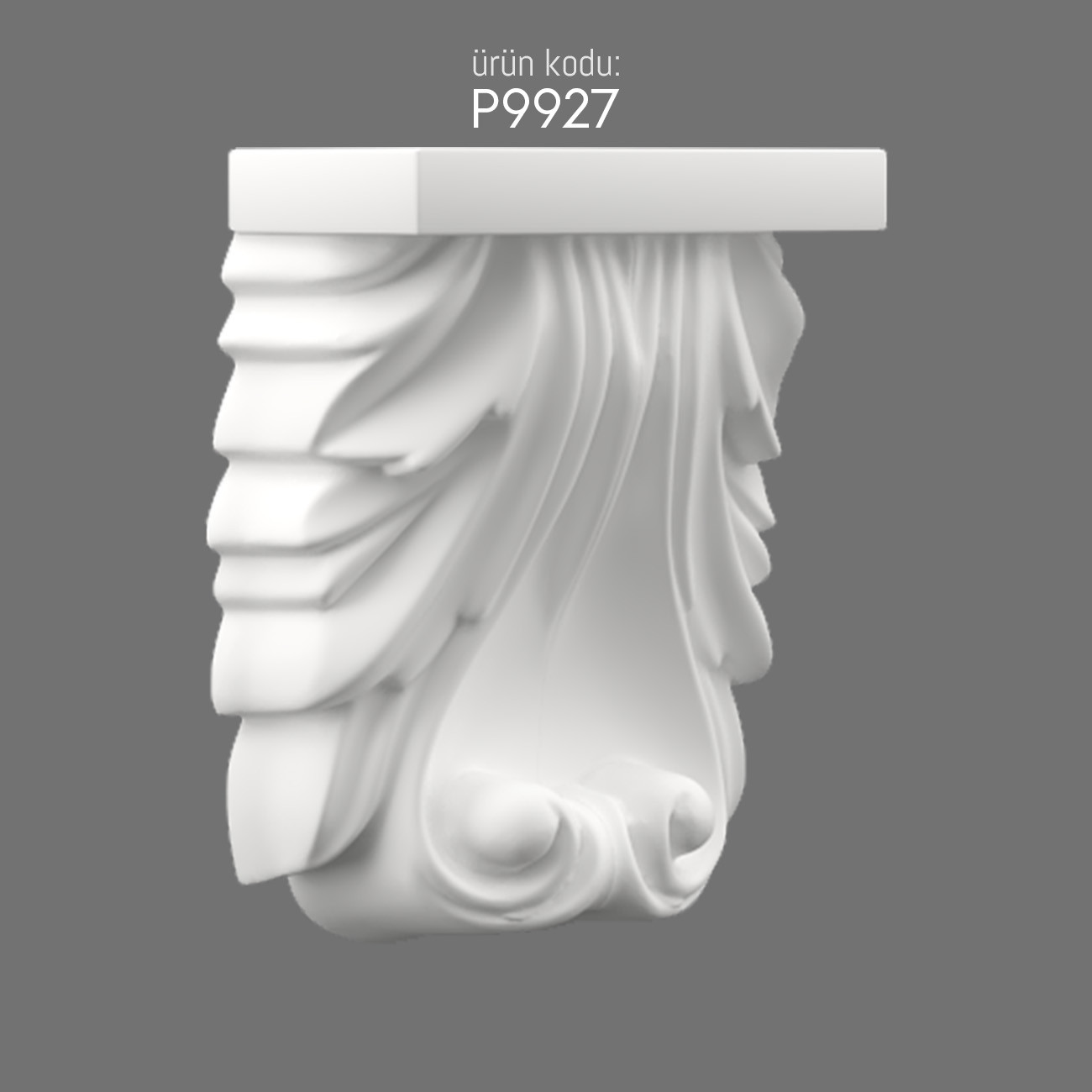
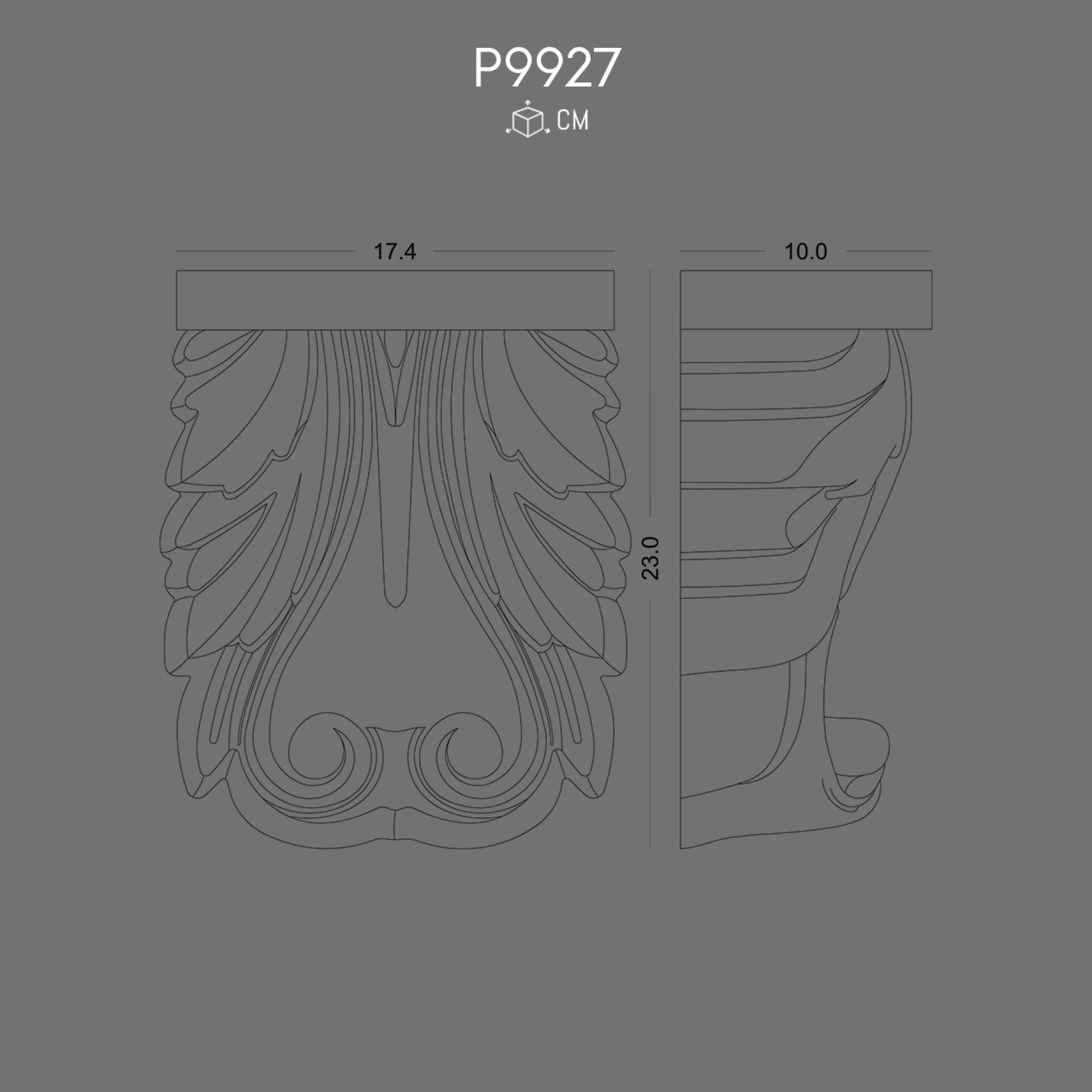
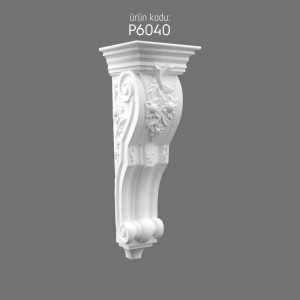
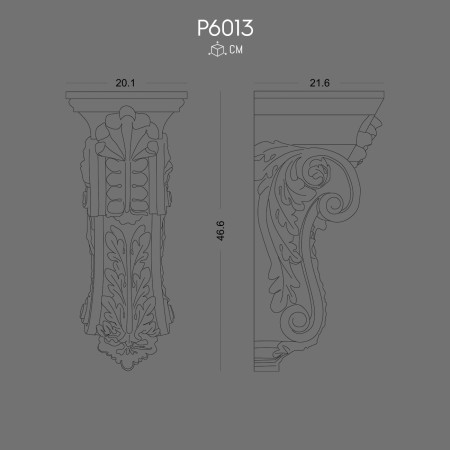
The P9927 Bracket is crafted from polyurethane, combining durability and artistic elegance for garden and terrace settings. Its ornamental design features layered folds and volutes that enhance both decorative and functional purposes.
This piece carries the legacy of classical architecture where brackets were prominent in supporting cornices and embellishing facades. A short historical note recalls their presence in Roman forums and Renaissance villas, where they symbolized both strength and artistic refinement.
The sculptural details of P9927 create appealing shadows and depth, making it a versatile element for outdoor design. Its clean white surface can integrate with both traditional and modern themes.
- Durable polyurethane material
- Classical motif with layered folds
- Elegant volute detailing
- Ideal for terrace and garden decoration
Designers often choose the P9927 Bracket to introduce a touch of classic elegance and enduring charm in exterior projects.
The P9927 Bracket offers an elegant combination of functionality and artistry. Its polyurethane body ensures strength in outdoor spaces. The sculptural details provide a refined decorative touch. Classic motifs bring timeless character to gardens and terraces. This design recalls the elegance of architectural history. The ornament evokes patterns seen in historic facades. Its volutes and folds create depth and interest. Many decorators use it for outdoor harmony. It transforms terraces into stylish environments. Its form balances strength with lightness. The piece serves as subtle yet strong decoration. Homeowners value its durable material. The bracket enhances both modern and classic settings. Its presence enriches architectural storytelling. The P9927 Bracket remains an inspiring element.
P9927 Bracket Elegant Garden and Terrace Decorative Model
The P9927 Bracket is a striking decorative element designed to enhance outdoor terraces and gardens with elegance and timeless style. Its polyurethane structure provides durability against outdoor conditions while maintaining a lightweight and refined impression. The model features sculptural motifs with leaf-like folds and elegant volutes that recall elements of classical architecture. Historically, brackets have been used to support structures and embellish facades, and the P9927 continues this tradition in a modern, refined way. In one warm anecdote, many classic villas along the Mediterranean coast used decorative brackets as both functional and artistic elements, giving architectural compositions depth and personality. Today, this piece serves a similar role, enabling homeowners and designers to bring classical artistry into contemporary gardens and terraces. Whether used in an entryway, under a pergola, or as part of detailed wall decoration, the P9927 Bracket harmonizes structure and art, carrying timeless patterns into today's living spaces. Inspired by architectural heritage, it offers fresh opportunities to create spaces of distinction and grace while maintaining practical utility.
p9927 bracket, outdoor bracket, polyurethane bracket, decorative garden bracket, terrace decoration bracket, architectural bracket design, classical style bracket, exterior decorative support, elegant polyurethane motif, outdoor corbel bracket, terrace decorative element, classical volute bracket, garden architectural detail, durable polyurethane bracket, ornamental wall bracket
No reviews found!

No reviews found for this product. Be the first to comment!